Traitement de la tendinite calcifiée avec la thérapie par ondes de choc ou shockwave


La tendinite calcifiée est une affection courante qui affecte les tendons, les structures fibreuses qui relient les muscles aux os. Elle se caractérise par la formation de dépôts de calcium dans le tendon, ce qui peut entraîner une inflammation et des douleurs. Les symptômes de la tendinite calcifiée comprennent une douleur sourde et persistante, généralement autour de l’articulation touchée, ainsi qu’une raideur et une faiblesse musculaire. Les causes exactes de cette pathologie sont inconnues, mais il est suggéré que des traumatismes répétitifs ou des blessures peuvent y contribuer. Le traitement dépendra de la gravité de la condition et peut inclure la thérapie par ondes de choc ou shockwave.
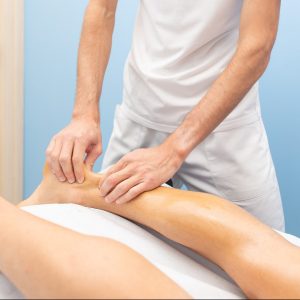
 

Tendinite Calcifiée Clinique Tagmed Montréal Terrebonne


La thérapie par ondes de choc peut être utilisée pour traiter efficacement cette condition. La thérapie par ondes de choc est une option de traitement pour la tendinite calcifiée. Cette technique utilise des ondes acoustiques à haute énergie pour briser les dépôts calciques dans le tendon, ce qui peut aider à réduire l’inflammation et la douleur. Dans cet article, nous allons examiner en détail ce qu’est la tendinite calcifiée, ses symptômes, ses causes, son diagnostic et comment elle est traitée avec la thérapie par ondes de choc.


Description

La tendinite calcifiée se produit lorsqu’un excès de calcium se dépose dans le tissu tendineux. Cela se produit habituellement dans les articulations comme le coude ou l’épaule. Les patients atteints de tendinite calcifiée ressentent généralement une douleur chronique modérée à intense qui peut s’aggraver lors des mouvements actifs et passifs. La plupart des patients ont besoin d’un traitement de shockwave pour soulager leurs symptômes et retrouver une mobilité normale.


Symptômes de la tendinite calcifiée

La tendinite calcifiée est une affection musculosquelettique qui se manifeste par une série de symptômes cliniques spécifiques. Ces symptômes peuvent varier en intensité et en durée, mais ils sont généralement caractérisés par les éléments suivants :

  1. Douleur Persistante et Aiguë : La douleur est souvent le premier indicateur de cette condition. Elle peut être exacerbée par des mouvements spécifiques ou des activités physiques, et peut s’accompagner de sensations d’engourdissement et de fourmillement dans la région affectée.
  2. Œdème Périarticulaire : Un gonflement notable peut être observé autour des articulations touchées, souvent accompagné d’une rougeur et d’une chaleur locale, indiquant une inflammation.
  3. Raideur Articulaire : Les patients peuvent éprouver une raideur dans les articulations affectées, ce qui limite leur amplitude de mouvement et peut entraver les activités quotidiennes.
  4. Perte Progressive de Mobilité : Au fil du temps, l’incapacité à effectuer certains mouvements sans éprouver de douleur intense peut devenir de plus en plus limitante, affectant ainsi la qualité de vie du patient.
  5. Aggravation des Symptômes sans Traitement Adéquat : Il est crucial de noter que l’absence d’une intervention médicale appropriée peut entraîner une exacerbation des symptômes, avec des complications potentielles telles que la chronicité de la douleur et une détérioration fonctionnelle.


Il est impératif de consulter un professionnel de la santé pour un diagnostic précis et un plan de traitement personnalisé, qui peut inclure des interventions telles que la thérapie par ondes de choc (shockwave), des injections corticostéroïdes, ou dans des cas plus sévères, une intervention chirurgicale.


Causes de la tendinite calcifiée

La tendinopathie calcifiante (ou tendinite calcifiée) est une pathologie caractérisée par l’accumulation de dépôts de calcium au sein des fibres tendineuses, entraînant souvent une inflammation et des symptômes douloureux. Bien que la pathogenèse exacte demeure encore sujette à des investigations, plusieurs facteurs étiologiques sont couramment associés à cette condition.


Un des éléments prédominants est la sollicitation excessive du tendon concerné. Les individus engagés dans des activités physiques de haute intensité ou exécutant des mouvements répétitifs impliquant un groupe musculaire spécifique sont davantage à risque de développer cette forme de tendinopathie.


Il convient de souligner que ces facteurs de risque, bien qu’importants, ne garantissent pas la survenue de la maladie. Dans de nombreux cas, l’étiologie peut être multifactorielle et il peut être difficile d’isoler une cause unique pour chaque patient atteint de tendinopathie calcifiante.


En présence de symptômes persistants affectant un tendon, une consultation médicale s’avère indispensable. Un diagnostic précis peut être établi à l’aide d’examens d’imagerie médicale, tels que l’échographie ou la radiographie, permettant ainsi d’orienter le plan thérapeutique le plus adapté à votre condition.


Diagnostic de la tendinite calcifiée

Le diagnostic de la tendinite calcifiante est réalisé au moyen d’une évaluation clinique approfondie, complétée par des techniques d’imagerie médicale avancées telles que la radiographie standard (rayons X), l’imagerie par résonance magnétique (IRM) ou l’échographie diagnostique. Ces méthodes permettent de localiser avec précision le dépôt calcique, d’en quantifier la masse et d’identifier toute extension osseuse associée.


Une fois le diagnostic confirmé, un plan de traitement personnalisé est élaboré. Parmi les options de traitement, la thérapie par ondes de choc (Shockwave Therapy) est souvent privilégiée pour son efficacité prouvée dans la dissolution des dépôts calciques et la stimulation de la régénération tissulaire. Cette modalité de traitement non-invasive utilise des ondes acoustiques à haute énergie pour cibler la zone affectée, favorisant ainsi la guérison et le rétablissement de la mobilité articulaire à long terme.


La thérapie par ondes de choc est soutenue par des études cliniques et des revues systématiques, ce qui en fait une option thérapeutique conforme aux meilleures pratiques médicales actuelles. Elle peut être intégrée dans un plan de soins plus global qui peut également inclure des thérapies manuelles, des médicaments anti-inflammatoires et d’autres interventions en fonction de la sévérité de la condition.


En somme, le choix de la thérapie par ondes de choc comme composante centrale du plan de traitement vise à offrir une solution efficace et durable pour les patients atteints de tendinite calcifiante.


Traitement de la tendinite calcifiée par shockwave

La thérapie par ondes de choc pour la tendinite calcifiée est une procédure non invasive qui utilise des ondes acoustiques à haute énergie pour briser les dépôts calciques dans le tendon. Le traitement se fait généralement en ambulatoire et ne nécessite pas d’hospitalisation.


Le patient est généralement placé sur une table d’examen et un gel conducteur est appliqué sur la zone affectée. Le thérapeute utilise ensuite un appareil qui envoie des ondes sonores à haute énergie à travers la peau jusqu’au site de la tendinite calcifiée.


Le traitement peut être légèrement inconfortable, mais il n’est pas considéré comme douloureux. La durée du traitement dépend de l’étendue de la tendinite calcifiée et varie généralement entre 3 et 5 minutes.


Les endroits où l’on rencontre souvent des calcifications dans les tendons:


Zone AnatomiqueTendon AffectéDescription des Calcifications
ÉpauleTendons de la coiffe des rotateursLes calcifications tendineuses de l’épaule sont fréquemment observées dans les tendons de la coiffe des rotateurs. Elles peuvent être asymptomatiques ou provoquer des douleurs importantes.
HancheTendons des muscles fessiersLes calcifications au niveau de la hanche sont souvent localisées dans les tendons des muscles fessiers et peuvent être associées à des douleurs lors de la marche ou du repos.
CoudeTendon du coude (épicondyle)Les calcifications au niveau du coude sont généralement associées à des conditions telles que l’épicondylite. Elles peuvent provoquer des douleurs lors de mouvements spécifiques.
GenouTendon rotulienLes calcifications au niveau du genou sont fréquemment observées dans le tendon rotulien et peuvent être liées à des conditions comme la tendinite patellaire.
Tendon d’AchilleTendon calcanéen (Achille)Les calcifications du tendon d’Achille peuvent entraîner des douleurs et une limitation des mouvements. Elles sont souvent associées à des microtraumatismes répétés.
Talon (Épine de Lenoir)Fascia plantaireL’Épine de Lenoir est une calcification du fascia plantaire au niveau du talon. Elle peut provoquer des douleurs plantaires, surtout lors des premiers pas après une période de repos.


Tendinite Calcifiée Clinique Tagmed Montréal Terrebonne


Après avoir subi une thérapie par ondes de choc, il n’est pas rare que le patient éprouve une sensation de douleur légère ou une inflammation localisée dans la région ciblée par le traitement. Ces symptômes sont généralement transitoires et tendent à se résorber en peu de temps. Afin de maximiser les chances de récupération et de minimiser les complications potentielles, il est impératif de suivre scrupuleusement les directives post-thérapeutiques fournies par le professionnel de santé qualifié.


Dans le contexte médical actuel, la thérapie par ondes de choc est de plus en plus reconnue comme une modalité de traitement efficace pour la tendinite calcifiée, particulièrement lorsque les approches conventionnelles telles que les anti-inflammatoires non stéroïdiens (AINS) et la physiothérapie n’ont pas produit les résultats escomptés. Néanmoins, il est crucial de consulter votre professionnel de la santé afin d’évaluer de manière exhaustive les bénéfices thérapeutiques attendus en regard des risques potentiels associés à cette intervention. Une discussion éclairée avec votre thérapeute vous permettra de déterminer si cette option de traitement est la plus adaptée à votre condition médicale spécifique.


Conclusion

La thérapie par ondes de choc représente une modalité thérapeutique avancée et efficace pour la gestion de la tendinite calcifiée. Cette approche clinique permet non seulement une atténuation rapide des symptômes douloureux, mais favorise également une récupération accélérée, permettant aux patients de retrouver une fonctionnalité optimale en l’espace de quelques semaines à quelques mois. L’efficacité de cette thérapie est amplifiée lorsqu’elle est intégrée dans un protocole de soins comprenant également des traitements manuels spécialisés. Ainsi, la thérapie par ondes de choc s’inscrit comme une composante essentielle d’un régime thérapeutique multidisciplinaire pour le traitement de la tendinite calcifiée.


  1. Découvrez comment la thérapie par ondes de choc révolutionne le traitement de la tendinite calcifiée sur notre page dédiée à la thérapie par ondes de choc.
  2. La tendinite calcifiante, une affection douloureuse, trouve un soulagement efficace grâce aux ondes de choc – en savoir plus sur notre approche thérapeutique.
  3. Pour les patients souffrant de tendinite calcifiée, la thérapie par ondes de choc offre une solution non invasive et prometteuse. Plus d’informations sur nos traitements.
  4. La guérison des tissus et la réduction de la douleur dans la tendinite calcifiante sont possibles avec la thérapie par ondes de choc. Consultez notre section FAQ pour plus de détails.
  5. Améliorez votre qualité de vie en traitant la tendinite calcifiante avec la thérapie par ondes de choc – découvrez les témoignages de nos patients sur notre page témoignages.
  6. La tendinite calcifiante nécessite une approche spécialisée, trouvez le soulagement avec notre traitement par ondes de choc. Visitez notre blog pour des conseils et des informations utiles.
  7. Optez pour une méthode de traitement avancée pour votre tendinite calcifiante avec la thérapie par ondes de choc – explorez nos technologies de pointe.
  8. La thérapie par ondes de choc : une solution efficace pour traiter la tendinite calcifiante sans chirurgie. Apprenez-en plus sur nos méthodes non invasives.
  9. Réduisez l’inflammation et favorisez la guérison de la tendinite calcifiante avec notre approche par ondes de choc. Découvrez notre philosophie de soins.
  10. La tendinite calcifiante peut être gérée efficacement grâce à la thérapie par ondes de choc, une technique moderne et douce. Visitez notre page sur la santé musculo-squelettique.


Pour en savoir plus, veuillez consulter nos sites internet spécialisés en thérapie par ondes de coc ou shockwave:


Questions fréquemment posées

Troubles Musculosquelettiques (TMS)

  • Quels avantages offre la thérapie par shockwave pour le traitement des TMS ?

    La thérapie par shockwave est particulièrement efficace pour briser les dépôts de calcium dans les tendinites chroniques et stimuler les processus de guérison et de régénération des tissus. Elle améliore la circulation sanguine dans les zones traitées, réduisant ainsi la douleur et augmentant la mobilité. Cette approche non invasive offre une alternative efficace aux traitements conventionnels, avec peu ou pas de temps d’arrêt pour les patients. 

  • Quels sont les bénéfices du traitement au laser pour les TMS ?

    Le traitement au laser offre une réduction significative de l’inflammation et de la douleur, stimule la guérison des tissus mous, et accélère le processus de réparation cellulaire. Cette méthode non invasive cible précisément les zones affectées, favorisant une récupération rapide sans les effets secondaires associés aux médicaments. 

  • Quels bénéfices offre la décompression neurovertébrale pour les TMS ?

    Elle réduit la pression sur les disques intervertébraux, favorisant ainsi la guérison et offrant un soulagement pour les douleurs dorsales. 

  • Comment l’ostéopathie spécifique contribue-t-elle au traitement des TMS ?

    Par des manipulations manuelles pour restaurer la mobilité et réduire la douleur, adaptées aux besoins de chaque patient. 

  • Quelles innovations la Clinique TAGMED apporte-t-elle dans le traitement des TMS ?

    Intègre des technologies de pointe (shockwave, laser, décompression neurovertébrale) et des techniques thérapeutiques avancées (ostéopathie spécifique, percuteur de précision) pour des traitements personnalisés et efficaces. 

  • Quels sont les défis dans le diagnostic des TMS ?

    Leur complexité et diversité rendent le diagnostic exigeant, nécessitant souvent des tests diagnostiques avancés. 

  • Pourquoi est-il important d’agir précocement face aux TMS ?

    Pour prévenir leur aggravation, minimiser les souffrances inutiles, et réduire les coûts pour les individus et la société. 

  • Comment une approche multidisciplinaire aide-t-elle dans le traitement des TMS ?

    Elle assure une prise en charge complète, abordant les symptômes physiques ainsi que les facteurs sous-jacents. 

  • Quelles stratégies sont efficaces pour traiter les TMS ?

    Incluent ajustements ergonomiques et interventions thérapeutiques ciblées. 

  • Comment la lombalgie affecte-t-elle les individus ?

    Elle provoque une douleur au bas du dos, résultant de postures inappropriées, de soulèvement incorrect de charges, ou de conditions de travail défavorables. 

Références

722490 E2TQEG93 1 apsa 50 default 1 28272 https://www.cliniquetagmed.com/wp-content/plugins/zotpress/
%7B%22status%22%3A%22success%22%2C%22updateneeded%22%3Afalse%2C%22instance%22%3Afalse%2C%22meta%22%3A%7B%22request_last%22%3A0%2C%22request_next%22%3A0%2C%22used_cache%22%3Atrue%7D%2C%22data%22%3A%5B%7B%22key%22%3A%224IJAAAQD%22%2C%22library%22%3A%7B%22id%22%3A722490%7D%2C%22meta%22%3A%7B%22creatorSummary%22%3A%22Lee%20et%20al.%22%2C%22parsedDate%22%3A%222022-12%22%2C%22numChildren%22%3A2%7D%2C%22bib%22%3A%22%26lt%3Bdiv%20class%3D%26quot%3Bcsl-bib-body%26quot%3B%20style%3D%26quot%3Bline-height%3A%201.35%3B%20padding-left%3A%201em%3B%20text-indent%3A-1em%3B%26quot%3B%26gt%3B%5Cn%20%20%26lt%3Bdiv%20class%3D%26quot%3Bcsl-entry%26quot%3B%26gt%3BLee%2C%20Ho-Won%2C%20Jung%20Youn%20Kim%2C%20Chang-Won%20Park%2C%20Bai%20Haotian%2C%20Geun%20Woo%20Lee%2C%20and%20Kyu-Cheol%20Noh.%202022.%20%26%23x201C%3BComparison%20of%20Extracorporeal%20Shock%20Wave%20Therapy%20and%20Ultrasound-Guided%20Shoulder%20Injection%20Therapy%20in%20Patients%20with%20Supraspinatus%20Tendinitis.%26%23x201D%3B%20%26lt%3Bi%26gt%3BClinics%20in%20Orthopedic%20Surgery%26lt%3B%5C%2Fi%26gt%3B%2014%284%29%3A%20585%26%23x2013%3B92.%20%26lt%3Ba%20class%3D%26%23039%3Bzp-DOIURL%26%23039%3B%20href%3D%26%23039%3Bhttp%3A%5C%2F%5C%2Fdoi.org%5C%2F10.4055%5C%2Fcios21191%26%23039%3B%26gt%3Bhttp%3A%5C%2F%5C%2Fdoi.org%5C%2F10.4055%5C%2Fcios21191%26lt%3B%5C%2Fa%26gt%3B.%26lt%3B%5C%2Fdiv%26gt%3B%5Cn%26lt%3B%5C%2Fdiv%26gt%3B%22%2C%22data%22%3A%7B%22itemType%22%3A%22journalArticle%22%2C%22title%22%3A%22Comparison%20of%20Extracorporeal%20Shock%20Wave%20Therapy%20and%20Ultrasound-Guided%20Shoulder%20Injection%20Therapy%20in%20Patients%20with%20Supraspinatus%20Tendinitis%22%2C%22creators%22%3A%5B%7B%22creatorType%22%3A%22author%22%2C%22firstName%22%3A%22Ho-Won%22%2C%22lastName%22%3A%22Lee%22%7D%2C%7B%22creatorType%22%3A%22author%22%2C%22firstName%22%3A%22Jung%20Youn%22%2C%22lastName%22%3A%22Kim%22%7D%2C%7B%22creatorType%22%3A%22author%22%2C%22firstName%22%3A%22Chang-Won%22%2C%22lastName%22%3A%22Park%22%7D%2C%7B%22creatorType%22%3A%22author%22%2C%22firstName%22%3A%22Bai%22%2C%22lastName%22%3A%22Haotian%22%7D%2C%7B%22creatorType%22%3A%22author%22%2C%22firstName%22%3A%22Geun%20Woo%22%2C%22lastName%22%3A%22Lee%22%7D%2C%7B%22creatorType%22%3A%22author%22%2C%22firstName%22%3A%22Kyu-Cheol%22%2C%22lastName%22%3A%22Noh%22%7D%5D%2C%22abstractNote%22%3A%22BACKGROUND%3A%20The%20present%20study%20compared%20the%20clinical%20effect%20of%20extracorporeal%20shock%20wave%20therapy%20%28ESWT%29%20with%20that%20of%20ultrasound%20%28US%29-guided%20shoulder%20steroid%20injection%20therapy%20in%20patients%20with%20supraspinatus%20tendinitis.%20We%20hypothesized%20that%20the%20two%20treatments%20would%20show%20comparable%20results.%5CnMETHODS%3A%20The%20inclusion%20criteria%20were%20age%20over%2020%20years%20and%20diagnosis%20of%20supraspinatus%20tendinitis%20using%20US.%20Ultimately%2C%2026%20patients%20were%20assigned%20using%20blocked%20randomization%3A%2013%20in%20the%20US-guided%20shoulder%20injection%20group%20and%2013%20in%20the%20ESWT%20group.%20Treatment%20outcomes%20were%20evaluated%20using%20the%20pain%20visual%20analog%20scale%20%28pVAS%29%2C%20the%20American%20Shoulder%20and%20Elbow%20Society%20%28ASES%29%20score%2C%20and%20the%20Constant%20score%20at%20baseline%20and%20at%201%20and%203%20months%20after%20the%20procedure.%5CnRESULTS%3A%20At%201%20month%20after%20the%20intervention%2C%20pVAS%2C%20ASES%2C%20and%20constant%20score%20were%20significantly%20higher%20in%20the%20US-guided%20shoulder%20injection%20group%20than%20in%20the%20ESWT%20group%2C%20but%20not%20at%203%20months%20after%20the%20intervention.%20Both%20groups%20showed%20clinically%20significant%20treatment%20effects%20at%203%20months%20after%20the%20intervention%20compared%20to%20baseline.%20No%20significance%20was%20shown%20using%20equivalence%20testing.%5CnCONCLUSIONS%3A%20US-guided%20shoulder%20injection%20therapy%20was%20not%20superior%20to%20ESWT%20therapy.%20Considering%20the%20complications%20and%20rebound%20phenomenon%20of%20steroid%20injections%2C%20interventions%20using%20ESWT%20may%20be%20a%20good%20alternative%20to%20treat%20patients%20with%20supraspinatus%20tendinitis.%22%2C%22date%22%3A%222022-12%22%2C%22language%22%3A%22eng%22%2C%22DOI%22%3A%2210.4055%5C%2Fcios21191%22%2C%22ISSN%22%3A%222005-4408%22%2C%22url%22%3A%22%22%2C%22collections%22%3A%5B%22E2TQEG93%22%5D%2C%22dateModified%22%3A%222023-03-05T05%3A03%3A13Z%22%7D%7D%2C%7B%22key%22%3A%22VQZUCKZV%22%2C%22library%22%3A%7B%22id%22%3A722490%7D%2C%22meta%22%3A%7B%22creatorSummary%22%3A%22Poenaru%20et%20al.%22%2C%22parsedDate%22%3A%222023-02%22%2C%22numChildren%22%3A2%7D%2C%22bib%22%3A%22%26lt%3Bdiv%20class%3D%26quot%3Bcsl-bib-body%26quot%3B%20style%3D%26quot%3Bline-height%3A%201.35%3B%20padding-left%3A%201em%3B%20text-indent%3A-1em%3B%26quot%3B%26gt%3B%5Cn%20%20%26lt%3Bdiv%20class%3D%26quot%3Bcsl-entry%26quot%3B%26gt%3BPoenaru%2C%20Daniela%2C%20Miruna%20Ioana%20Sandulescu%2C%20and%20Delia%20Cinteza.%202023.%20%26%23x201C%3BBiological%20Effects%20of%20Extracorporeal%20Shockwave%20Therapy%20in%20Tendons%3A%20A%20Systematic%20Review.%26%23x201D%3B%20%26lt%3Bi%26gt%3BBiomedical%20Reports%26lt%3B%5C%2Fi%26gt%3B%2018%282%29%3A%2015.%20%26lt%3Ba%20class%3D%26%23039%3Bzp-DOIURL%26%23039%3B%20href%3D%26%23039%3Bhttp%3A%5C%2F%5C%2Fdoi.org%5C%2F10.3892%5C%2Fbr.2022.1597%26%23039%3B%26gt%3Bhttp%3A%5C%2F%5C%2Fdoi.org%5C%2F10.3892%5C%2Fbr.2022.1597%26lt%3B%5C%2Fa%26gt%3B.%26lt%3B%5C%2Fdiv%26gt%3B%5Cn%26lt%3B%5C%2Fdiv%26gt%3B%22%2C%22data%22%3A%7B%22itemType%22%3A%22journalArticle%22%2C%22title%22%3A%22Biological%20effects%20of%20extracorporeal%20shockwave%20therapy%20in%20tendons%3A%20A%20systematic%20review%22%2C%22creators%22%3A%5B%7B%22creatorType%22%3A%22author%22%2C%22firstName%22%3A%22Daniela%22%2C%22lastName%22%3A%22Poenaru%22%7D%2C%7B%22creatorType%22%3A%22author%22%2C%22firstName%22%3A%22Miruna%20Ioana%22%2C%22lastName%22%3A%22Sandulescu%22%7D%2C%7B%22creatorType%22%3A%22author%22%2C%22firstName%22%3A%22Delia%22%2C%22lastName%22%3A%22Cinteza%22%7D%5D%2C%22abstractNote%22%3A%22Extracorporeal%20shockwave%20therapy%20was%20initially%20used%20for%20kidney%20stone%20disintegration%20and%20its%20application%20was%20then%20extended%20to%20calcific%20tendinitis.%20The%20therapeutic%20field%20expanded%20and%20included%20numerous%20types%20of%20tendinopathies%2C%20from%20shoulder%20to%20plantar%20fascia.%20The%20clinical%20benefits%20were%20documented%20in%20trials%20and%20the%20effects%20and%20mechanisms%20were%20studied%20on%20models%20including%20animal%20and%20human%20tendons.%20The%20present%20systematic%20review%20outlines%20a%20large%20spectrum%20of%20biological%20effects.%20First%2C%20an%20optimal%20dose%20is%20adapted%20for%20each%20species%20and%20each%20tendon%3B%20exceeding%20the%20optimal%20dose%20may%20lead%20to%20structural%20injury.%20Furthermore%2C%20the%20biological%20effects%20may%20be%20grouped%20into%20neovascularization%20induction%2C%20cellularity%20and%20extracellular%20matrix%20changes%2C%20metalloprotease%20and%20cytokine%20modulation%2C%20as%20well%20as%20lubricin%20production.%20As%20a%20result%2C%20the%20remodeled%20tendon%20displays%20improved%20biomechanical%20properties%20to%20resist%20stress.%22%2C%22date%22%3A%222023-02%22%2C%22language%22%3A%22eng%22%2C%22DOI%22%3A%2210.3892%5C%2Fbr.2022.1597%22%2C%22ISSN%22%3A%222049-9442%22%2C%22url%22%3A%22%22%2C%22collections%22%3A%5B%22E2TQEG93%22%5D%2C%22dateModified%22%3A%222023-03-05T05%3A03%3A13Z%22%7D%7D%2C%7B%22key%22%3A%22QEVW6P7Z%22%2C%22library%22%3A%7B%22id%22%3A722490%7D%2C%22meta%22%3A%7B%22creatorSummary%22%3A%22Surace%20et%20al.%22%2C%22parsedDate%22%3A%222020-03-04%22%2C%22numChildren%22%3A1%7D%2C%22bib%22%3A%22%26lt%3Bdiv%20class%3D%26quot%3Bcsl-bib-body%26quot%3B%20style%3D%26quot%3Bline-height%3A%201.35%3B%20padding-left%3A%201em%3B%20text-indent%3A-1em%3B%26quot%3B%26gt%3B%5Cn%20%20%26lt%3Bdiv%20class%3D%26quot%3Bcsl-entry%26quot%3B%26gt%3BSurace%2C%20Stephen%20J.%2C%20Jessica%20Deitch%2C%20Renea%20V.%20Johnston%2C%20and%20Rachelle%20Buchbinder.%202020.%20%26%23x201C%3BShock%20Wave%20Therapy%20for%20Rotator%20Cuff%20Disease%20with%20or%20without%20Calcification.%26%23x201D%3B%20%26lt%3Bi%26gt%3BThe%20Cochrane%20Database%20of%20Systematic%20Reviews%26lt%3B%5C%2Fi%26gt%3B%203%283%29%3A%20CD008962.%20%26lt%3Ba%20class%3D%26%23039%3Bzp-DOIURL%26%23039%3B%20href%3D%26%23039%3Bhttp%3A%5C%2F%5C%2Fdoi.org%5C%2F10.1002%5C%2F14651858.CD008962.pub2%26%23039%3B%26gt%3Bhttp%3A%5C%2F%5C%2Fdoi.org%5C%2F10.1002%5C%2F14651858.CD008962.pub2%26lt%3B%5C%2Fa%26gt%3B.%26lt%3B%5C%2Fdiv%26gt%3B%5Cn%26lt%3B%5C%2Fdiv%26gt%3B%22%2C%22data%22%3A%7B%22itemType%22%3A%22journalArticle%22%2C%22title%22%3A%22Shock%20wave%20therapy%20for%20rotator%20cuff%20disease%20with%20or%20without%20calcification%22%2C%22creators%22%3A%5B%7B%22creatorType%22%3A%22author%22%2C%22firstName%22%3A%22Stephen%20J.%22%2C%22lastName%22%3A%22Surace%22%7D%2C%7B%22creatorType%22%3A%22author%22%2C%22firstName%22%3A%22Jessica%22%2C%22lastName%22%3A%22Deitch%22%7D%2C%7B%22creatorType%22%3A%22author%22%2C%22firstName%22%3A%22Renea%20V.%22%2C%22lastName%22%3A%22Johnston%22%7D%2C%7B%22creatorType%22%3A%22author%22%2C%22firstName%22%3A%22Rachelle%22%2C%22lastName%22%3A%22Buchbinder%22%7D%5D%2C%22abstractNote%22%3A%22BACKGROUND%3A%20Shock%20wave%20therapy%20has%20seen%20widespread%20use%20since%20the%201990s%20to%20treat%20various%20musculoskeletal%20disorders%20including%20rotator%20cuff%20disease%2C%20but%20evidence%20of%20its%20efficacy%20remains%20equivocal.%5CnOBJECTIVES%3A%20To%20determine%20the%20benefits%20and%20harms%20of%20shock%20wave%20therapy%20for%20rotator%20cuff%20disease%2C%20with%20or%20without%20calcification%2C%20and%20to%20establish%20its%20usefulness%20in%20the%20context%20of%20other%20available%20treatment%20options.%5CnSEARCH%20METHODS%3A%20We%20searched%20Ovid%20MEDLINE%2C%20Ovid%20Embase%2C%20CENTRAL%2C%20ClinicalTrials.gov%20and%20the%20WHO%20ICTRP%20up%20to%20November%202019%2C%20with%20no%20restrictions%20on%20language.%20We%20reviewed%20the%20reference%20lists%20of%20retrieved%20trials%20to%20identify%20potentially%20relevant%20trials.%5CnSELECTION%20CRITERIA%3A%20We%20included%20randomised%20controlled%20trials%20%28RCTs%29%20and%20controlled%20clinical%20trials%20%28CCTs%29%20that%20used%20quasi-randomised%20methods%20to%20allocate%20participants%2C%20investigating%20participants%20with%20rotator%20cuff%20disease%20with%20or%20without%20calcific%20deposits.%20We%20included%20trials%20of%20comparisons%20of%20extracorporeal%20or%20radial%20shock%20wave%20therapy%20versus%20any%20other%20intervention.%20Major%20outcomes%20were%20pain%20relief%20greater%20than%2030%25%2C%20mean%20pain%20score%2C%20function%2C%20patient-reported%20global%20assessment%20of%20treatment%20success%2C%20quality%20of%20life%2C%20number%20of%20participants%20experiencing%20adverse%20events%20and%20number%20of%20withdrawals%20due%20to%20adverse%20events.%5CnDATA%20COLLECTION%20AND%20ANALYSIS%3A%20Two%20review%20authors%20independently%20selected%20studies%20for%20inclusion%2C%20extracted%20data%20and%20assessed%20the%20certainty%20of%20evidence%20using%20GRADE.%20The%20primary%20comparison%20was%20shock%20wave%20therapy%20compared%20to%20placebo.%5CnMAIN%20RESULTS%3A%20Thirty-two%20trials%20%282281%20participants%29%20met%20our%20inclusion%20criteria.%20Most%20trials%20%2825%29%20included%20participants%20with%20rotator%20cuff%20disease%20and%20calcific%20deposits%2C%20five%20trials%20included%20participants%20with%20rotator%20cuff%20disease%20and%20no%20calcific%20deposits%2C%20and%20two%20trials%20included%20a%20mixed%20population%20of%20participants%20with%20and%20without%20calcific%20deposits.%20Twelve%20trials%20compared%20shock%20wave%20therapy%20to%20placebo%2C%2011%20trials%20compared%20high-dose%20shock%20wave%20therapy%20%280.2%20mJ%5C%2Fmm%5Cu00b2%20to%200.4%20mJ%5C%2Fmm%5Cu00b2%20and%20above%29%20to%20low-dose%20shock%20wave%20therapy.%20Single%20trials%20compared%20shock%20wave%20therapy%20to%20ultrasound-guided%20glucocorticoid%20needling%2C%20ultrasound-guided%20hyaluronic%20acid%20injection%2C%20transcutaneous%20electric%20nerve%20stimulation%20%28TENS%29%2C%20no%20treatment%20or%20exercise%3B%20dual%20session%20shock%20wave%20therapy%20to%20single%20session%20therapy%3B%20and%20different%20delivery%20methods%20of%20shock%20wave%20therapy.%20Our%20main%20comparison%20was%20shock%20wave%20therapy%20versus%20placebo%20and%20results%20are%20reported%20for%20the%203%20month%20follow%20up.%20All%20trials%20were%20susceptible%20to%20bias%3B%20including%20selection%20%2874%25%29%2C%20performance%20%2862%25%29%2C%20detection%20%2862%25%29%2C%20and%20selective%20reporting%20%2845%25%29%20biases.%20No%20trial%20measured%20participant-reported%20pain%20relief%20of%2030%25.%20However%2C%20in%20one%20trial%20%2874%20participants%29%2C%20at%203%20months%20follow%20up%2C%2014%5C%2F34%20participants%20reported%20pain%20relief%20of%2050%25%20or%20greater%20with%20shock%20wave%20therapy%20compared%20with%2015%5C%2F40%20with%20placebo%20%28risk%20ratio%20%28RR%29%201.10%2C%2095%25%20confidence%20interval%20%28CI%29%200.62%20to%201.94%29%3B%20low-quality%20evidence%20%28downgraded%20for%20bias%20and%20imprecision%29.%20Mean%20pain%20%280%20to%2010%20scale%2C%20higher%20scores%20indicate%20more%20pain%29%20was%203.02%20points%20in%20the%20placebo%20group%20and%200.78%20points%20better%20%280.17%20better%20to%201.4%20better%3B%20clinically%20important%20change%20was%201.5%20points%29%20with%20shock%20wave%20therapy%20%289%20trials%2C%20608%20participants%29%2C%20moderate-quality%20evidence%20%28downgraded%20for%20bias%29.%20Mean%20function%20%28scale%200%20to%20100%2C%20higher%20scores%20indicate%20better%20function%29%20was%2066%20points%20with%20placebo%20and%207.9%20points%20better%20%281.6%20better%20to%2014%20better%2C%20clinically%20important%20difference%2010%20points%29%20with%20shock%20wave%20therapy%20%289%20trials%2C%20612%20participants%29%2C%20moderate-quality%20evidence%20%28downgraded%20for%20bias%29.%20Participant-reported%20success%20was%20reported%20by%2058%5C%2F150%20people%20in%20shock%20wave%20therapy%20group%20compared%20with%2035%5C%2F137%20people%20in%20placebo%20group%20%28RR%201.59%2C%2095%25%20CI%200.87%20to%202.91%3B%206%20trials%2C%20287%20participants%29%2C%20low-quality%20evidence%20%28downgraded%20for%20bias%20and%20imprecision%29.%20None%20of%20the%20trials%20measured%20quality%20of%20life.%20Withdrawal%20rate%20or%20adverse%20event%20rates%20may%20not%20differ%20between%20extracorporeal%20shock%20wave%20therapy%20and%20placebo%2C%20but%20we%20are%20uncertain%20due%20to%20the%20small%20number%20of%20events.%20There%20were%2011%5C%2F34%20withdrawals%20in%20the%20extracorporeal%20shock%20wave%20therapy%20group%20compared%20with%2013%5C%2F40%20withdrawals%20in%20the%20placebo%20group%20%28RR%200.75%2C%2095%25%20CI%200.43%20to%201.31%3B%207%20trials%2C%20581%20participants%29%20low-quality%20evidence%20%28downgraded%20for%20bias%20and%20imprecision%29%3B%20and%2041%5C%2F156%20adverse%20events%20with%20extracorporeal%20shock%20wave%20therapy%20compared%20with%2010%5C%2F139%20adverse%20events%20in%20the%20placebo%20group%20%28RR%203.61%2C%2095%25%20CI%202.00%20to%206.52%3B%205%20trials%2C%20295%20participants%29%20low-quality%20evidence%20%28downgraded%20for%20bias%20and%20imprecision%29.%20Subgroup%20analyses%20indicated%20that%20there%20were%20no%20between-group%20differences%20in%20pain%20and%20function%20outcomes%20in%20participants%20who%20did%20or%20did%20not%20have%20calcific%20deposits%20in%20the%20rotator%20cuff.%5CnAUTHORS%26%23039%3B%20CONCLUSIONS%3A%20Based%20upon%20the%20currently%20available%20low-%20to%20moderate-certainty%20evidence%2C%20there%20were%20very%20few%20clinically%20important%20benefits%20of%20shock%20wave%20therapy%2C%20and%20uncertainty%20regarding%20its%20safety.%20Wide%20clinical%20diversity%20and%20varying%20treatment%20protocols%20means%20that%20we%20do%20not%20know%20whether%20or%20not%20some%20trials%20tested%20subtherapeutic%20doses%2C%20possibly%20underestimating%20any%20potential%20benefits.%20Further%20trials%20of%20extracorporeal%20shock%20wave%20therapy%20for%20rotator%20cuff%20disease%20should%20be%20based%20upon%20a%20strong%20rationale%20and%20consideration%20of%20whether%20or%20not%20they%20would%20alter%20the%20conclusions%20of%20this%20review.%20A%20standard%20dose%20and%20treatment%20protocol%20should%20be%20decided%20upon%20before%20further%20research%20is%20conducted.%20Development%20of%20a%20core%20set%20of%20outcomes%20for%20trials%20of%20rotator%20cuff%20disease%20and%20other%20shoulder%20disorders%20would%20also%20facilitate%20our%20ability%20to%20synthesise%20the%20evidence.%22%2C%22date%22%3A%222020-03-04%22%2C%22language%22%3A%22eng%22%2C%22DOI%22%3A%2210.1002%5C%2F14651858.CD008962.pub2%22%2C%22ISSN%22%3A%221469-493X%22%2C%22url%22%3A%22%22%2C%22collections%22%3A%5B%22E2TQEG93%22%5D%2C%22dateModified%22%3A%222023-03-05T05%3A02%3A24Z%22%7D%7D%2C%7B%22key%22%3A%227GU9EWQK%22%2C%22library%22%3A%7B%22id%22%3A722490%7D%2C%22meta%22%3A%7B%22creatorSummary%22%3A%22Abo%20Al-Khair%20et%20al.%22%2C%22parsedDate%22%3A%222021-11%22%2C%22numChildren%22%3A1%7D%2C%22bib%22%3A%22%26lt%3Bdiv%20class%3D%26quot%3Bcsl-bib-body%26quot%3B%20style%3D%26quot%3Bline-height%3A%201.35%3B%20padding-left%3A%201em%3B%20text-indent%3A-1em%3B%26quot%3B%26gt%3B%5Cn%20%20%26lt%3Bdiv%20class%3D%26quot%3Bcsl-entry%26quot%3B%26gt%3BAbo%20Al-Khair%2C%20Mai%20Ahmed%2C%20Radwa%20Mostafa%20El%20Khouly%2C%20Sameh%20Ahmed%20Khodair%2C%20Mervat%20Abd%20Al%20Sattar%20Elsergany%2C%20Mervat%20Ismail%20Hussein%2C%20and%20Mohamed%20Ezz%20Eldin%20Mowafy.%202021.%20%26%23x201C%3BFocused%2C%20Radial%20and%20Combined%20Shock%20Wave%20Therapy%20in%20Treatment%20of%20Calcific%20Shoulder%20Tendinopathy.%26%23x201D%3B%20%26lt%3Bi%26gt%3BThe%20Physician%20and%20Sportsmedicine%26lt%3B%5C%2Fi%26gt%3B%2049%284%29%3A%20480%26%23x2013%3B87.%20%26lt%3Ba%20class%3D%26%23039%3Bzp-DOIURL%26%23039%3B%20href%3D%26%23039%3Bhttp%3A%5C%2F%5C%2Fdoi.org%5C%2F10.1080%5C%2F00913847.2020.1856633%26%23039%3B%26gt%3Bhttp%3A%5C%2F%5C%2Fdoi.org%5C%2F10.1080%5C%2F00913847.2020.1856633%26lt%3B%5C%2Fa%26gt%3B.%26lt%3B%5C%2Fdiv%26gt%3B%5Cn%26lt%3B%5C%2Fdiv%26gt%3B%22%2C%22data%22%3A%7B%22itemType%22%3A%22journalArticle%22%2C%22title%22%3A%22Focused%2C%20radial%20and%20combined%20shock%20wave%20therapy%20in%20treatment%20of%20calcific%20shoulder%20tendinopathy%22%2C%22creators%22%3A%5B%7B%22creatorType%22%3A%22author%22%2C%22firstName%22%3A%22Mai%20Ahmed%22%2C%22lastName%22%3A%22Abo%20Al-Khair%22%7D%2C%7B%22creatorType%22%3A%22author%22%2C%22firstName%22%3A%22Radwa%20Mostafa%22%2C%22lastName%22%3A%22El%20Khouly%22%7D%2C%7B%22creatorType%22%3A%22author%22%2C%22firstName%22%3A%22Sameh%20Ahmed%22%2C%22lastName%22%3A%22Khodair%22%7D%2C%7B%22creatorType%22%3A%22author%22%2C%22firstName%22%3A%22Mervat%20Abd%22%2C%22lastName%22%3A%22Al%20Sattar%20Elsergany%22%7D%2C%7B%22creatorType%22%3A%22author%22%2C%22firstName%22%3A%22Mervat%20Ismail%22%2C%22lastName%22%3A%22Hussein%22%7D%2C%7B%22creatorType%22%3A%22author%22%2C%22firstName%22%3A%22Mohamed%20Ezz%22%2C%22lastName%22%3A%22Eldin%20Mowafy%22%7D%5D%2C%22abstractNote%22%3A%22Objective%3A%20The%20aim%20of%20this%20work%20is%20to%20compare%20the%20clinical%2C%20functional%2C%20and%20ultrasonographic%20outcomes%20of%20focused%2C%20radial%2C%20and%20combined%20extracorporeal%20shock-wave%20therapy%20%28ESWT%29%20in%20the%20treatment%20of%20calcific%20shoulder%20tendinopathy.Methods%3A%20we%20enrolled%2045%20patients%20with%20calcific%20shoulder%20tendinopathy%2C%20their%20ages%20ranged%20from%2030%20to%2068%20%2850.93%5Cu00a0%5Cu00b1%5Cu00a09.44%29%20years%2C%20classified%20according%20to%20the%20line%20of%20treatment%20into%20three%20groups%2C%20all%20received%20four%20sessions%20of%20ESWT%201%20week%20apart.Group%20I%3A%2015%20patients%20received%20focused%20shock%20waves%20%28F-SW%29%201500%20shocks.Group%20II%3A%2015%20patients%20received%20radial%20shock%20waves%20%28R-SW%29%202000%20shocks.Group%20III%3A%2015%20patients%20received%20combined%20focused%20and%20radial%20shock%20waves%20%28C-SW%29.%20All%20patients%20were%20evaluated%20by%20musculoskeletal%20ultrasound%20%28MSK%20US%29%20before%20treatment%2C%20at%201%20week%20and%20at%203%20months%20after%20the%20last%20session.Results%3A%20In%20the%20three%20studied%20groups%2C%20there%20was%20a%20significant%20improvement%20in%20shoulder%20pain%2C%20active%20range%20of%20motion%20%28ROM%29%2C%20and%20shoulder%20function%20by%20shoulder%20disability%20questionnaire%20%28SDQ%29%20at%201%20week%20after%20the%20end%20of%20treatment%20and%20after%203%20months%20follow%20up.%20Moreover%2C%20there%20was%20a%20significant%20sonographic%20reduction%20in%20calcification%20size%20in%20the%20three%20groups.%20At%20the%20end%20of%20the%20study%2C%20the%20best%20improvement%20as%20regards%20a%20decrease%20of%20calcification%20size%20was%20obtained%20in%20group%20III%20when%20compared%20with%20group%20I%20and%20group%20II.Conclusion%3A%20These%20results%20demonstrated%20clinical%2C%20functional%2C%20and%20sonographic%20improvement%20in%20all%20groups.%20The%20best%20therapy%20in%20calcific%20shoulder%20tendinopathy%20appears%20to%20be%20combined%20focused%20and%20radial%20ESWT%20compared%20to%20interventions%20alone.%20Level%201%20Evidence%20Randomized%20control%20study.%22%2C%22date%22%3A%222021-11%22%2C%22language%22%3A%22eng%22%2C%22DOI%22%3A%2210.1080%5C%2F00913847.2020.1856633%22%2C%22ISSN%22%3A%222326-3660%22%2C%22url%22%3A%22%22%2C%22collections%22%3A%5B%22E2TQEG93%22%5D%2C%22dateModified%22%3A%222023-03-05T05%3A02%3A24Z%22%7D%7D%2C%7B%22key%22%3A%22ST4WS45U%22%2C%22library%22%3A%7B%22id%22%3A722490%7D%2C%22meta%22%3A%7B%22creatorSummary%22%3A%22Simpson%20et%20al.%22%2C%22parsedDate%22%3A%222020-10-31%22%2C%22numChildren%22%3A2%7D%2C%22bib%22%3A%22%26lt%3Bdiv%20class%3D%26quot%3Bcsl-bib-body%26quot%3B%20style%3D%26quot%3Bline-height%3A%201.35%3B%20padding-left%3A%201em%3B%20text-indent%3A-1em%3B%26quot%3B%26gt%3B%5Cn%20%20%26lt%3Bdiv%20class%3D%26quot%3Bcsl-entry%26quot%3B%26gt%3BSimpson%2C%20Mitchell%2C%20Tania%20Pizzari%2C%20Tim%20Cook%2C%20Stuart%20Wildman%2C%20and%20Jeremy%20Lewis.%202020.%20%26%23x201C%3BEffectiveness%20of%20Non-Surgical%20Interventions%20for%20Rotator%20Cuff%20Calcific%20Tendinopathy%3A%20A%20Systematic%20Review.%26%23x201D%3B%20%26lt%3Bi%26gt%3BJournal%20of%20Rehabilitation%20Medicine%26lt%3B%5C%2Fi%26gt%3B%2052%2810%29%3A%20jrm00119.%20%26lt%3Ba%20class%3D%26%23039%3Bzp-DOIURL%26%23039%3B%20href%3D%26%23039%3Bhttp%3A%5C%2F%5C%2Fdoi.org%5C%2F10.2340%5C%2F16501977-2725%26%23039%3B%26gt%3Bhttp%3A%5C%2F%5C%2Fdoi.org%5C%2F10.2340%5C%2F16501977-2725%26lt%3B%5C%2Fa%26gt%3B.%26lt%3B%5C%2Fdiv%26gt%3B%5Cn%26lt%3B%5C%2Fdiv%26gt%3B%22%2C%22data%22%3A%7B%22itemType%22%3A%22journalArticle%22%2C%22title%22%3A%22Effectiveness%20of%20non-surgical%20interventions%20for%20rotator%20cuff%20calcific%20tendinopathy%3A%20A%20systematic%20review%22%2C%22creators%22%3A%5B%7B%22creatorType%22%3A%22author%22%2C%22firstName%22%3A%22Mitchell%22%2C%22lastName%22%3A%22Simpson%22%7D%2C%7B%22creatorType%22%3A%22author%22%2C%22firstName%22%3A%22Tania%22%2C%22lastName%22%3A%22Pizzari%22%7D%2C%7B%22creatorType%22%3A%22author%22%2C%22firstName%22%3A%22Tim%22%2C%22lastName%22%3A%22Cook%22%7D%2C%7B%22creatorType%22%3A%22author%22%2C%22firstName%22%3A%22Stuart%22%2C%22lastName%22%3A%22Wildman%22%7D%2C%7B%22creatorType%22%3A%22author%22%2C%22firstName%22%3A%22Jeremy%22%2C%22lastName%22%3A%22Lewis%22%7D%5D%2C%22abstractNote%22%3A%22OBJECTIVE%3A%20To%20evaluate%20the%20effectiveness%20of%20non-surgical%20interventions%20for%20rotator%20cuff%20calcific%20tendinopathy.%5CnDATA%20SOURCES%3A%20Medline%2C%20EMBASE%2C%20CINAHL%2C%20Cochrane%20Register%20of%20Clinical%20Trials%2C%20PEDro%20and%20SPORTDiscus%20from%20inception%20to%20March%202018%2C%20and%20accompanying%20reference%20lists.%20Peer-reviewed%20randomized%20clinical%20trials%20of%20non-surgical%20interventions%20for%20adults%20with%20rotator%20cuff%20calcific%20tendinopathy%20were%20included.%5CnDATA%20EXTRACTION%3A%20The%20same%202%20reviewers%20independently%20evaluated%20eligibility%2C%20extracted%20data%20and%20evaluated%20risk%20of%20bias%20of%20the%20included%20randomized%20clinical%20trials.%20A%20system%20to%20resolve%20any%20disagreements%20was%20established%20a%20priori.%20Short-term%2C%20medium-term%20and%20long-term%20outcomes%20for%20pain%2C%20shoulder%20function%20and%20calcific%20morphology%20related%20to%20rotator%20cuff%20calcific%20tendinopathy%20were%20extracted.%20Due%20to%20diversity%20in%20outcome%20measures%20a%20meta-analyses%20was%20not%20conducted.%5CnDATA%20SYNTHESIS%3A%20Of%20the%202%2C085%20articles%20identified%2C%2018%20met%20the%20inclusion%20criteria%2C%20all%20of%20which%20had%20high%20risk%20of%20bias.%20Five%20non-surgical%20interventions%20were%20identified%20%28extracorporeal%20shockwave%20therapy%2C%20ultrasound-guided%20percutaneous%20intervention%2C%20pulsed%20ultrasound%2C%20acetic%20acid%20iontophoresis%2C%20and%20transcutaneous%20electrical%20nerve%20stimulation%29.%5CnCONCLUSION%3A%20There%20was%20moderate%20evidence%20for%20high-energy%20extracorporeal%20shockwave%20therapy%20over%20low-energy%20extracorporeal%20shockwave%20therapy%20for%20pain%20and%20function%20between%203%20and%206%20months%2C%20and%20over%20placebo%20for%20function%20in%20the%20first%206%20months.%20There%20was%20moderate%20evidence%20for%20ultrasound-guided%20percutaneous%20intervention%20over%20medium%5C%2Fhigh-energy%20extracorporeal%20shockwave%20therapy%20for%20reduced%20pain%20and%20calcific%20morphology%20over%20a%201-year%20period.%20Methodological%20concerns%20preclude%20definitive%20recommendations.%22%2C%22date%22%3A%222020-10-31%22%2C%22language%22%3A%22eng%22%2C%22DOI%22%3A%2210.2340%5C%2F16501977-2725%22%2C%22ISSN%22%3A%221651-2081%22%2C%22url%22%3A%22%22%2C%22collections%22%3A%5B%22E2TQEG93%22%5D%2C%22dateModified%22%3A%222023-03-05T05%3A02%3A24Z%22%7D%7D%2C%7B%22key%22%3A%226SAXNUF9%22%2C%22library%22%3A%7B%22id%22%3A722490%7D%2C%22meta%22%3A%7B%22creatorSummary%22%3A%22Fatima%20et%20al.%22%2C%22parsedDate%22%3A%222022%22%2C%22numChildren%22%3A2%7D%2C%22bib%22%3A%22%26lt%3Bdiv%20class%3D%26quot%3Bcsl-bib-body%26quot%3B%20style%3D%26quot%3Bline-height%3A%201.35%3B%20padding-left%3A%201em%3B%20text-indent%3A-1em%3B%26quot%3B%26gt%3B%5Cn%20%20%26lt%3Bdiv%20class%3D%26quot%3Bcsl-entry%26quot%3B%26gt%3BFatima%2C%20Arooj%2C%20Ashfaq%20Ahmad%2C%20Syed%20Amir%20Gilani%2C%20Haider%20Darain%2C%20Shiza%20Kazmi%2C%20and%20Kamran%20Hanif.%202022.%20%26%23x201C%3BEffects%20of%20High-Energy%20Extracorporeal%20Shockwave%20Therapy%20on%20Pain%2C%20Functional%20Disability%2C%20Quality%20of%20Life%2C%20and%20Ultrasonographic%20Changes%20in%20Patients%20with%20Calcified%20Rotator%20Cuff%20Tendinopathy.%26%23x201D%3B%20%26lt%3Bi%26gt%3BBioMed%20Research%20International%26lt%3B%5C%2Fi%26gt%3B%202022%3A%201230857.%20%26lt%3Ba%20class%3D%26%23039%3Bzp-DOIURL%26%23039%3B%20href%3D%26%23039%3Bhttp%3A%5C%2F%5C%2Fdoi.org%5C%2F10.1155%5C%2F2022%5C%2F1230857%26%23039%3B%26gt%3Bhttp%3A%5C%2F%5C%2Fdoi.org%5C%2F10.1155%5C%2F2022%5C%2F1230857%26lt%3B%5C%2Fa%26gt%3B.%26lt%3B%5C%2Fdiv%26gt%3B%5Cn%26lt%3B%5C%2Fdiv%26gt%3B%22%2C%22data%22%3A%7B%22itemType%22%3A%22journalArticle%22%2C%22title%22%3A%22Effects%20of%20High-Energy%20Extracorporeal%20Shockwave%20Therapy%20on%20Pain%2C%20Functional%20Disability%2C%20Quality%20of%20Life%2C%20and%20Ultrasonographic%20Changes%20in%20Patients%20with%20Calcified%20Rotator%20Cuff%20Tendinopathy%22%2C%22creators%22%3A%5B%7B%22creatorType%22%3A%22author%22%2C%22firstName%22%3A%22Arooj%22%2C%22lastName%22%3A%22Fatima%22%7D%2C%7B%22creatorType%22%3A%22author%22%2C%22firstName%22%3A%22Ashfaq%22%2C%22lastName%22%3A%22Ahmad%22%7D%2C%7B%22creatorType%22%3A%22author%22%2C%22firstName%22%3A%22Syed%20Amir%22%2C%22lastName%22%3A%22Gilani%22%7D%2C%7B%22creatorType%22%3A%22author%22%2C%22firstName%22%3A%22Haider%22%2C%22lastName%22%3A%22Darain%22%7D%2C%7B%22creatorType%22%3A%22author%22%2C%22firstName%22%3A%22Shiza%22%2C%22lastName%22%3A%22Kazmi%22%7D%2C%7B%22creatorType%22%3A%22author%22%2C%22firstName%22%3A%22Kamran%22%2C%22lastName%22%3A%22Hanif%22%7D%5D%2C%22abstractNote%22%3A%22OBJECTIVE%3A%20The%20current%20trial%20was%20designed%20to%20evaluate%20the%20effects%20of%20high-energy%20shockwave%20therapy%20on%20objective%20and%20subjective%20outcomes%20among%20participants%20with%20calcified%20rotator%20cuff%20tendinopathy.%5CnMETHODS%3A%20This%20parallel-group%2C%20randomized%20trial%20consists%20of%2042%20patients%20affected%20by%20calcific%20tendinopathies%20divided%20into%20two%20groups%20of%2021%20participants.%20Patients%20having%20calcified%20tendinopathy%20aged%20between%2030%20and%2065%20years%20with%20type%20A%20or%20B%20calcification%20were%20selected%20in%20the%20trial%20after%20signing%20the%20written%20consent%20form.%20Participants%20in%20the%20ESWT%2BRPT%20group%20received%20eight%20sessions%20of%20shockwaves%2C%20while%20the%20RPT%20group%20was%20treated%20by%20routine%20physical%20therapy.%20About%202000%20shockwaves%20of%200.32%5Cu2009mJ%5C%2Fmm2%2C%20120%5Cu2009Hz%20per%20treatment%2C%20were%20given%20as%2012%20sessions%20for%20the%20first%20six%20weeks%20%282%20sessions%5C%2Fweek%29.%20Pain%20intensity%20and%20shoulder%20functional%20ability%2C%20ultrasonographic%20changes%2C%20and%20quality%20of%20life%20were%20assessed%20with%20the%20numeric%20pain%20rating%20scale%20%28NPRS%29%2C%20Constant-Murley%20score%20%28CMS%29%2C%20ultrasonography%2C%20and%20Western%20Ontario%20rotator%20cuff%20index%20%28WORC%29.%5CnRESULTS%3A%20There%20were%20significant%20differences%20regarding%20NPRS%20and%20CMS%20between%20the%20two%20groups%2C%20at%20baseline%20and%206th%20and%2012th%20weeks%20after%20intervention%20%28p%20%26lt%3B%200.05%29.%20Within-group%20differences%20also%20showed%20statistically%20significant%20results%20after%20treatment%20%28all%20p%20%26lt%3B%200.05%29.%20Significant%20results%20were%20seen%20in%20the%20WORC%20and%20ultrasonographic%20results%20pre-%20and%20posttreatment%3B%20more%20significant%20findings%20were%20found%20in%20the%20experimental%20group%20as%20compared%20to%20others.%5CnCONCLUSION%3A%20High-energy%20shockwave%20therapy%20has%20been%20proved%20to%20be%20effective%20and%20thus%20strongly%20recommended%20for%20the%20management%20of%20calcified%20rotator%20cuff%20tendinopathy%2C%20improving%20the%20pain%2C%20functionality%2C%20and%20quality%20of%20life%20of%20these%20participants%20and%20decreasing%20the%20size%20of%20calcified%20deposits.%20Shockwave%20therapy%20is%20proved%20to%20be%20superior%20to%20routine%20physiotherapy.%22%2C%22date%22%3A%222022%22%2C%22language%22%3A%22eng%22%2C%22DOI%22%3A%2210.1155%5C%2F2022%5C%2F1230857%22%2C%22ISSN%22%3A%222314-6141%22%2C%22url%22%3A%22%22%2C%22collections%22%3A%5B%22E2TQEG93%22%5D%2C%22dateModified%22%3A%222023-03-05T05%3A02%3A24Z%22%7D%7D%2C%7B%22key%22%3A%22BWZ6X4JT%22%2C%22library%22%3A%7B%22id%22%3A722490%7D%2C%22meta%22%3A%7B%22creatorSummary%22%3A%22Bechay%20et%20al.%22%2C%22parsedDate%22%3A%222020-09%22%2C%22numChildren%22%3A1%7D%2C%22bib%22%3A%22%26lt%3Bdiv%20class%3D%26quot%3Bcsl-bib-body%26quot%3B%20style%3D%26quot%3Bline-height%3A%201.35%3B%20padding-left%3A%201em%3B%20text-indent%3A-1em%3B%26quot%3B%26gt%3B%5Cn%20%20%26lt%3Bdiv%20class%3D%26quot%3Bcsl-entry%26quot%3B%26gt%3BBechay%2C%20Joseph%2C%20Cassandra%20Lawrence%2C%20and%20Surena%20Namdari.%202020.%20%26%23x201C%3BCalcific%20Tendinopathy%20of%20the%20Rotator%20Cuff%3A%20A%20Review%20of%20Operative%20versus%20Nonoperative%20Management.%26%23x201D%3B%20%26lt%3Bi%26gt%3BThe%20Physician%20and%20Sportsmedicine%26lt%3B%5C%2Fi%26gt%3B%2048%283%29%3A%20241%26%23x2013%3B46.%20%26lt%3Ba%20class%3D%26%23039%3Bzp-DOIURL%26%23039%3B%20href%3D%26%23039%3Bhttp%3A%5C%2F%5C%2Fdoi.org%5C%2F10.1080%5C%2F00913847.2019.1710617%26%23039%3B%26gt%3Bhttp%3A%5C%2F%5C%2Fdoi.org%5C%2F10.1080%5C%2F00913847.2019.1710617%26lt%3B%5C%2Fa%26gt%3B.%26lt%3B%5C%2Fdiv%26gt%3B%5Cn%26lt%3B%5C%2Fdiv%26gt%3B%22%2C%22data%22%3A%7B%22itemType%22%3A%22journalArticle%22%2C%22title%22%3A%22Calcific%20tendinopathy%20of%20the%20rotator%20cuff%3A%20a%20review%20of%20operative%20versus%20nonoperative%20management%22%2C%22creators%22%3A%5B%7B%22creatorType%22%3A%22author%22%2C%22firstName%22%3A%22Joseph%22%2C%22lastName%22%3A%22Bechay%22%7D%2C%7B%22creatorType%22%3A%22author%22%2C%22firstName%22%3A%22Cassandra%22%2C%22lastName%22%3A%22Lawrence%22%7D%2C%7B%22creatorType%22%3A%22author%22%2C%22firstName%22%3A%22Surena%22%2C%22lastName%22%3A%22Namdari%22%7D%5D%2C%22abstractNote%22%3A%22Calcific%20tendinopathy%20of%20the%20shoulder%20involves%20calcification%20and%20degeneration%20of%20the%20rotator%20cuff%20tendon%20near%20its%20insertion%20point%20on%20the%20greater%20tuberosity.%20The%20purpose%20of%20this%20review%20is%20to%20analyze%20recent%20literature%20evaluating%20the%20clinical%20outcomes%20of%20non-operative%20and%20operative%20treatment%20for%20calcific%20tendinopathy%20of%20the%20shoulder.%20Conservative%20management%2C%20extracorporeal%20shockwave%20therapy%20%28ESWT%29%2C%20ultrasound-guided%20percutaneous%20irrigation%20of%20calcific%20tendinopathy%20%28US-PICT%29%2C%20and%20surgical%20intervention%20will%20be%20reviewed.%22%2C%22date%22%3A%222020-09%22%2C%22language%22%3A%22eng%22%2C%22DOI%22%3A%2210.1080%5C%2F00913847.2019.1710617%22%2C%22ISSN%22%3A%222326-3660%22%2C%22url%22%3A%22%22%2C%22collections%22%3A%5B%22E2TQEG93%22%5D%2C%22dateModified%22%3A%222023-03-05T05%3A02%3A24Z%22%7D%7D%2C%7B%22key%22%3A%228YZDRUYN%22%2C%22library%22%3A%7B%22id%22%3A722490%7D%2C%22meta%22%3A%7B%22creatorSummary%22%3A%22Frassanito%20et%20al.%22%2C%22parsedDate%22%3A%222018-06%22%2C%22numChildren%22%3A1%7D%2C%22bib%22%3A%22%26lt%3Bdiv%20class%3D%26quot%3Bcsl-bib-body%26quot%3B%20style%3D%26quot%3Bline-height%3A%201.35%3B%20padding-left%3A%201em%3B%20text-indent%3A-1em%3B%26quot%3B%26gt%3B%5Cn%20%20%26lt%3Bdiv%20class%3D%26quot%3Bcsl-entry%26quot%3B%26gt%3BFrassanito%2C%20Paolo%2C%20Carlo%20Cavalieri%2C%20Roberto%20Maestri%2C%20and%20Guido%20Felicetti.%202018.%20%26%23x201C%3BEffectiveness%20of%20Extracorporeal%20Shock%20Wave%20Therapy%20and%20Kinesio%20Taping%20in%20Calcific%20Tendinopathy%20of%20the%20Shoulder%3A%20A%20Randomized%20Controlled%20Trial.%26%23x201D%3B%20%26lt%3Bi%26gt%3BEuropean%20Journal%20of%20Physical%20and%20Rehabilitation%20Medicine%26lt%3B%5C%2Fi%26gt%3B%2054%283%29%3A%20333%26%23x2013%3B40.%20%26lt%3Ba%20class%3D%26%23039%3Bzp-DOIURL%26%23039%3B%20href%3D%26%23039%3Bhttp%3A%5C%2F%5C%2Fdoi.org%5C%2F10.23736%5C%2FS1973-9087.17.04749-9%26%23039%3B%26gt%3Bhttp%3A%5C%2F%5C%2Fdoi.org%5C%2F10.23736%5C%2FS1973-9087.17.04749-9%26lt%3B%5C%2Fa%26gt%3B.%26lt%3B%5C%2Fdiv%26gt%3B%5Cn%26lt%3B%5C%2Fdiv%26gt%3B%22%2C%22data%22%3A%7B%22itemType%22%3A%22journalArticle%22%2C%22title%22%3A%22Effectiveness%20of%20Extracorporeal%20Shock%20Wave%20Therapy%20and%20kinesio%20taping%20in%20calcific%20tendinopathy%20of%20the%20shoulder%3A%20a%20randomized%20controlled%20trial%22%2C%22creators%22%3A%5B%7B%22creatorType%22%3A%22author%22%2C%22firstName%22%3A%22Paolo%22%2C%22lastName%22%3A%22Frassanito%22%7D%2C%7B%22creatorType%22%3A%22author%22%2C%22firstName%22%3A%22Carlo%22%2C%22lastName%22%3A%22Cavalieri%22%7D%2C%7B%22creatorType%22%3A%22author%22%2C%22firstName%22%3A%22Roberto%22%2C%22lastName%22%3A%22Maestri%22%7D%2C%7B%22creatorType%22%3A%22author%22%2C%22firstName%22%3A%22Guido%22%2C%22lastName%22%3A%22Felicetti%22%7D%5D%2C%22abstractNote%22%3A%22BACKGROUND%3A%20Extracorporeal%20Shock%20Wave%20Therapy%20%28ESWT%29%20is%20effective%20in%20the%20treatment%20of%20calcific%20tendinopathy%20of%20the%20rotator%20cuff%2C%20eliciting%20an%20analgesic%5C%2Fanti-inflammatory%20action%20and%20promoting%20tissue%20regeneration.%20Kinesio%20taping%20%28KT%29%2C%20another%20recently-introduced%20rehabilitative%20tool%2C%20exerts%20an%20analgesic%20and%20biomechanical%20action%20on%20joints%20and%20muscles.%20ESWT%20and%20KT%20may%20have%20a%20synergic%20effect%20when%20used%20in%20combination%2C%20but%20the%20effectiveness%20of%20the%20association%20has%20not%20been%20established.%5CnAIM%3A%20The%20aim%20of%20this%20study%20was%20to%20test%20if%20the%20association%20of%20KT%20with%20ESWT%20is%20superior%20to%20ESWT%20alone%20in%20the%20treatment%20of%20rotator%20cuff%20calcific%20tendinopathy.%5CnDESIGN%3A%20Randomized%20controlled%20trial.%5CnSETTING%3A%20Rehabilitation%20Institute%20outpatients.%5CnPOPULATION%3A%20Forty-two%20patients%20with%20rotator%20cuff%20calcific%20tendinopathy%20were%20randomly%20assigned%20to%20the%20experimental%20group%20%28ESWT%2BKT%2C%20N.%3D21%29%20or%20control%20%28ESWT%2C%20N.%3D21%29.%5CnMETHODS%3A%20In%20the%20experimental%20group%2C%20patients%20underwent%20three%20sessions%20%28once%20a%20week%20for%203%20weeks%29%20of%20ESWT%20with%20KT%20applied%20at%20the%20end%20of%20each%20session.%20Controls%20underwent%20three%20sessions%20of%20ESWT%20only.%20All%20patients%20were%20assessed%20before%20treatment%20%28T0%29%20and%20at%201%20%28T1%29%2C%204%20%28T2%29%20and%2012%20weeks%20%28T3%29%20after%20the%20end%20of%20treatment%20with%20the%20following%20outcome%20measures%3A%20a%20visual%20analogue%20scale%20%28VAS%29%2C%20the%20Disabilities%20of%20the%20Arm%2C%20Shoulder%20and%20Hand%20%28DASH%29%20questionnaire%2C%20Subjective%20Shoulder%20Rating%20Questionnaire%20%28SSRQ%29%2C%20and%20Oxford%20Shoulder%20Score%20%28OSS%29.%5CnRESULTS%3A%20Both%20groups%20showed%20significant%20improvement%20in%20all%20outcome%20measures%2C%20but%20the%20time%20course%20differed%20between%20the%20two%20groups.%20At%20T1%20vs.%20T0%2C%20the%20improvement%20was%20significantly%20better%20in%20ESWT%2BKT%20than%20ESWT%20on%20VAS%20%28P%3D0.007%29%2C%20DASH%20%28P%26lt%3B0.0001%29%20and%20SSRQ%20%28P%3D0.0001%29.%20Successive%20improvements%20at%20T2%20vs.%20T1%20and%20T3%20vs.%20T2%20did%20not%20differ%20significantly%20between%20the%20groups.%20At%20the%20end%20of%20follow-up%2C%20ESWT%2BKT%20still%20showed%20significantly%20greater%20improvement%20than%20ESWT%20on%20VAS%20%28P%3D0.02%29%20and%20SSRQ%20%28P%3D0.038%29.%5CnCONCLUSIONS%3A%20KT%20associated%20with%20ESWT%20seems%20to%20improve%20the%20recovery%20in%20rotator%20cuff%20calcific%20tendinopathy%20with%20a%20faster%20therapeutic%20response%20compared%20to%20ESWT%20only.%5CnCLINICAL%20REHABILITATION%20IMPACT%3A%20Our%20results%20suggest%20the%20effectiveness%20of%20using%20KT%20as%20adjuvant%20therapy%20to%20ESWT%20in%20rotator%20cuff%20calcific%20tendinopathy%2C%20through%20enhancing%20the%20short-term%20analgesic%20action%20and%20the%20medium-%20to%20long-term%20biological-regenerative%20effects.%22%2C%22date%22%3A%222018-06%22%2C%22language%22%3A%22eng%22%2C%22DOI%22%3A%2210.23736%5C%2FS1973-9087.17.04749-9%22%2C%22ISSN%22%3A%221973-9095%22%2C%22url%22%3A%22%22%2C%22collections%22%3A%5B%22E2TQEG93%22%5D%2C%22dateModified%22%3A%222023-03-05T05%3A02%3A24Z%22%7D%7D%2C%7B%22key%22%3A%22W272LDGU%22%2C%22library%22%3A%7B%22id%22%3A722490%7D%2C%22meta%22%3A%7B%22creatorSummary%22%3A%22Louwerens%20et%20al.%22%2C%22parsedDate%22%3A%222020-07%22%2C%22numChildren%22%3A1%7D%2C%22bib%22%3A%22%26lt%3Bdiv%20class%3D%26quot%3Bcsl-bib-body%26quot%3B%20style%3D%26quot%3Bline-height%3A%201.35%3B%20padding-left%3A%201em%3B%20text-indent%3A-1em%3B%26quot%3B%26gt%3B%5Cn%20%20%26lt%3Bdiv%20class%3D%26quot%3Bcsl-entry%26quot%3B%26gt%3BLouwerens%2C%20Jan%20K.%20G.%2C%20Inger%20N.%20Sierevelt%2C%20Erik%20T.%20Kramer%2C%20Rob%20Boonstra%2C%20Michel%20P.%20J.%20van%20den%20Bekerom%2C%20Barend%20J.%20van%20Royen%2C%20Denise%20Eygendaal%2C%20and%20Arthur%20van%20Noort.%202020.%20%26%23x201C%3BComparing%20Ultrasound-Guided%20Needling%20Combined%20With%20a%20Subacromial%20Corticosteroid%20Injection%20Versus%20High-Energy%20Extracorporeal%20Shockwave%20Therapy%20for%20Calcific%20Tendinitis%20of%20the%20Rotator%20Cuff%3A%20A%20Randomized%20Controlled%20Trial.%26%23x201D%3B%20%26lt%3Bi%26gt%3BArthroscopy%3A%20The%20Journal%20of%20Arthroscopic%20%26amp%3B%20Related%20Surgery%3A%20Official%20Publication%20of%20the%20Arthroscopy%20Association%20of%20North%20America%20and%20the%20International%20Arthroscopy%20Association%26lt%3B%5C%2Fi%26gt%3B%2036%287%29%3A%201823-1833.e1.%20%26lt%3Ba%20class%3D%26%23039%3Bzp-DOIURL%26%23039%3B%20href%3D%26%23039%3Bhttp%3A%5C%2F%5C%2Fdoi.org%5C%2F10.1016%5C%2Fj.arthro.2020.02.027%26%23039%3B%26gt%3Bhttp%3A%5C%2F%5C%2Fdoi.org%5C%2F10.1016%5C%2Fj.arthro.2020.02.027%26lt%3B%5C%2Fa%26gt%3B.%26lt%3B%5C%2Fdiv%26gt%3B%5Cn%26lt%3B%5C%2Fdiv%26gt%3B%22%2C%22data%22%3A%7B%22itemType%22%3A%22journalArticle%22%2C%22title%22%3A%22Comparing%20Ultrasound-Guided%20Needling%20Combined%20With%20a%20Subacromial%20Corticosteroid%20Injection%20Versus%20High-Energy%20Extracorporeal%20Shockwave%20Therapy%20for%20Calcific%20Tendinitis%20of%20the%20Rotator%20Cuff%3A%20A%20Randomized%20Controlled%20Trial%22%2C%22creators%22%3A%5B%7B%22creatorType%22%3A%22author%22%2C%22firstName%22%3A%22Jan%20K.%20G.%22%2C%22lastName%22%3A%22Louwerens%22%7D%2C%7B%22creatorType%22%3A%22author%22%2C%22firstName%22%3A%22Inger%20N.%22%2C%22lastName%22%3A%22Sierevelt%22%7D%2C%7B%22creatorType%22%3A%22author%22%2C%22firstName%22%3A%22Erik%20T.%22%2C%22lastName%22%3A%22Kramer%22%7D%2C%7B%22creatorType%22%3A%22author%22%2C%22firstName%22%3A%22Rob%22%2C%22lastName%22%3A%22Boonstra%22%7D%2C%7B%22creatorType%22%3A%22author%22%2C%22firstName%22%3A%22Michel%20P.%20J.%22%2C%22lastName%22%3A%22van%20den%20Bekerom%22%7D%2C%7B%22creatorType%22%3A%22author%22%2C%22firstName%22%3A%22Barend%20J.%22%2C%22lastName%22%3A%22van%20Royen%22%7D%2C%7B%22creatorType%22%3A%22author%22%2C%22firstName%22%3A%22Denise%22%2C%22lastName%22%3A%22Eygendaal%22%7D%2C%7B%22creatorType%22%3A%22author%22%2C%22firstName%22%3A%22Arthur%22%2C%22lastName%22%3A%22van%20Noort%22%7D%5D%2C%22abstractNote%22%3A%22PURPOSE%3A%20To%20compare%20clinical%20and%20radiographic%20outcomes%20after%20treatment%20with%20standardized%20high-energy%20extracorporeal%20shock%20wave%20therapy%20%28ESWT%29%20and%20ultrasound-guided%20needling%20%28UGN%29%20in%20patients%20with%20symptomatic%20calcific%20tendinitis%20of%20the%20rotator%20cuff%20who%20were%20nonresponsive%20to%20conservative%20treatment.%5CnMETHODS%3A%20The%20study%20was%20designed%20as%20a%20randomized%20controlled%20trial.%20The%20ESWT%20group%20received%20ESWT%20%282000%20pulses%2C%20energy%20flux%20density%200.35%20mJ%5C%2Fmm2%29%20in%204%20sessions%20with%201-week%20intervals.%20UGN%20was%20combined%20with%20a%20corticosteroid%20ultrasound-guided%20subacromial%20bursa%20injection.%20Shoulder%20function%20was%20assessed%20at%20standardized%20follow-up%20intervals%20%286%20weeks%20and%203%2C%206%2C%20and%2012%20months%29%20using%20the%20Constant%20Murley%20Score%20%28CMS%29%2C%20the%20Disabilities%20of%20the%20Arm%2C%20Shoulder%2C%20and%20Hand%20questionnaire%2C%20and%20visual%20analog%20scale%20for%20pain%20and%20satisfaction.%20The%20size%2C%20location%2C%20and%20morphology%20of%20the%20deposits%20were%20evaluated%20on%20radiographs.%20The%20a%20priori%20sample%20size%20calculation%20computed%20that%2044%20participants%20randomized%20in%20each%20treatment%20group%20was%20required%20to%20achieve%20a%20power%20of%2080%25.%5CnRESULTS%3A%20Eighty-two%20patients%20were%20treated%20%2856%20female%2C%2065%25%3B%20mean%20age%2052.1%20%5Cu00b1%209%20years%29%20with%20a%20mean%20baseline%20CMS%20of%2066.8%20%5Cu00b1%2012%20and%20mean%20calcification%20size%20of%2015.1%20%5Cu00b1%204.7%20mm.%20One%20patient%20was%20lost%20to%20follow-up.%20At%201-year%20follow-up%2C%20the%20UGN%20group%20showed%20similar%20results%20as%20the%20ESWT%20group%20with%20regard%20to%20the%20change%20from%20baseline%20CMS%20%2820.9%20vs%2015.7%3B%20P%5Cu00a0%3D%20.23%29%2C%20Disabilities%20of%20the%20Arm%2C%20Shoulder%2C%20and%20Hand%20questionnaire%20%28-20.1%20vs%20-20.7%3B%20P%5Cu00a0%3D%20.78%29%2C%20and%20visual%20analog%20scale%20for%20pain%20%28-3.9%20and%20-2.6%3B%20P%5Cu00a0%3D%20.12%29.%20The%20mean%20calcification%20size%20decreased%20by%2013%20%5Cu00b1%203.9%20mm%20in%20the%20UGN%20group%20and%206.7%20%5Cu00b1%208.2%20mm%20in%20the%20ESWT%20group%20%28%26lt%3BP%5Cu00a0%3D%20.001%29.%20In%20total%2C%2022%25%20of%20the%20UGN%20and%2041%25%20of%20the%20ESWT%20patients%20received%20an%20additional%20treatment%20during%20follow-up%20because%20of%20persistent%20symptoms.%5CnCONCLUSIONS%3A%20This%20RCT%20compares%20the%20clinical%20and%20radiographic%20results%20of%20UGN%20and%20high-energy%20ESWT%20in%20the%20treatment%20of%20calcific%20tendinitis%20of%20the%20rotator%20cuff.%20Both%20techniques%20are%20successful%20in%20improving%20function%20and%20pain%2C%20with%20high%20satisfaction%20rates%20after%201-year%20follow-up.%20However%2C%20UGN%20is%20more%20effective%20in%20eliminating%20the%20calcific%20deposit%2C%20and%20the%20amount%20of%20additional%20treatments%20was%20greater%20in%20the%20ESWT%20group.%5CnLEVEL%20OF%20EVIDENCE%3A%20II%2C%20randomized%20controlled%20trial.%22%2C%22date%22%3A%222020-07%22%2C%22language%22%3A%22eng%22%2C%22DOI%22%3A%2210.1016%5C%2Fj.arthro.2020.02.027%22%2C%22ISSN%22%3A%221526-3231%22%2C%22url%22%3A%22%22%2C%22collections%22%3A%5B%22E2TQEG93%22%5D%2C%22dateModified%22%3A%222023-03-05T05%3A02%3A24Z%22%7D%7D%2C%7B%22key%22%3A%228P64UM5A%22%2C%22library%22%3A%7B%22id%22%3A722490%7D%2C%22meta%22%3A%7B%22creatorSummary%22%3A%22Chen%20et%20al.%22%2C%22parsedDate%22%3A%222020-11-25%22%2C%22numChildren%22%3A1%7D%2C%22bib%22%3A%22%26lt%3Bdiv%20class%3D%26quot%3Bcsl-bib-body%26quot%3B%20style%3D%26quot%3Bline-height%3A%201.35%3B%20padding-left%3A%201em%3B%20text-indent%3A-1em%3B%26quot%3B%26gt%3B%5Cn%20%20%26lt%3Bdiv%20class%3D%26quot%3Bcsl-entry%26quot%3B%26gt%3BChen%2C%20Kewei%2C%20Shuai%20Yin%2C%20Xiaodan%20Wang%2C%20Qianqian%20Lin%2C%20Huijie%20Duan%2C%20Zhenhua%20Zhang%2C%20Yiniu%20Chang%2C%20et%20al.%202020.%20%26%23x201C%3BEffect%20of%20Extracorporeal%20Shock%20Wave%20Therapy%20for%20Rotator%20Cuff%20Tendonitis%3A%20A%20Protocol%20for%20Systematic%20Review%20and%20Meta-Analysis.%26%23x201D%3B%20%26lt%3Bi%26gt%3BMedicine%26lt%3B%5C%2Fi%26gt%3B%2099%2848%29%3A%20e22661.%20%26lt%3Ba%20class%3D%26%23039%3Bzp-DOIURL%26%23039%3B%20href%3D%26%23039%3Bhttp%3A%5C%2F%5C%2Fdoi.org%5C%2F10.1097%5C%2FMD.0000000000022661%26%23039%3B%26gt%3Bhttp%3A%5C%2F%5C%2Fdoi.org%5C%2F10.1097%5C%2FMD.0000000000022661%26lt%3B%5C%2Fa%26gt%3B.%26lt%3B%5C%2Fdiv%26gt%3B%5Cn%26lt%3B%5C%2Fdiv%26gt%3B%22%2C%22data%22%3A%7B%22itemType%22%3A%22journalArticle%22%2C%22title%22%3A%22Effect%20of%20extracorporeal%20shock%20wave%20therapy%20for%20rotator%20cuff%20tendonitis%3A%20A%20protocol%20for%20systematic%20review%20and%20meta-analysis%22%2C%22creators%22%3A%5B%7B%22creatorType%22%3A%22author%22%2C%22firstName%22%3A%22Kewei%22%2C%22lastName%22%3A%22Chen%22%7D%2C%7B%22creatorType%22%3A%22author%22%2C%22firstName%22%3A%22Shuai%22%2C%22lastName%22%3A%22Yin%22%7D%2C%7B%22creatorType%22%3A%22author%22%2C%22firstName%22%3A%22Xiaodan%22%2C%22lastName%22%3A%22Wang%22%7D%2C%7B%22creatorType%22%3A%22author%22%2C%22firstName%22%3A%22Qianqian%22%2C%22lastName%22%3A%22Lin%22%7D%2C%7B%22creatorType%22%3A%22author%22%2C%22firstName%22%3A%22Huijie%22%2C%22lastName%22%3A%22Duan%22%7D%2C%7B%22creatorType%22%3A%22author%22%2C%22firstName%22%3A%22Zhenhua%22%2C%22lastName%22%3A%22Zhang%22%7D%2C%7B%22creatorType%22%3A%22author%22%2C%22firstName%22%3A%22Yiniu%22%2C%22lastName%22%3A%22Chang%22%7D%2C%7B%22creatorType%22%3A%22author%22%2C%22firstName%22%3A%22Yujing%22%2C%22lastName%22%3A%22Gu%22%7D%2C%7B%22creatorType%22%3A%22author%22%2C%22firstName%22%3A%22Mingli%22%2C%22lastName%22%3A%22Wu%22%7D%2C%7B%22creatorType%22%3A%22author%22%2C%22firstName%22%3A%22Nan%22%2C%22lastName%22%3A%22Wu%22%7D%2C%7B%22creatorType%22%3A%22author%22%2C%22firstName%22%3A%22Chengmei%22%2C%22lastName%22%3A%22Liu%22%7D%5D%2C%22abstractNote%22%3A%22BACKGROUND%3A%20Rotator%20cuff%20tendinitis%20is%20a%20highly%20prevalent%20cause%20of%20shoulder%20pain%20and%20leads%20to%20decreased%20patient%20quality%20of%20life.%20Extracorporeal%20shock%20wave%20therapy%20%28ESWT%29%20and%20ultrasound-guided%20needling%20are%20considered%20beneficial%20for%20rotator%20cuff%20tendinitis.%20A%20systematic%20review%20and%20meta-analysis%20comparing%20ESWT%20with%20sham-ESWT%20or%20ultrasound-guided%20needling%20in%20the%20management%20of%20pain%20and%20calcification%20is%20lacking.%5CnMETHODS%3A%20We%20will%20search%20the%20following%20up%20database%20from%20its%20inception%20to%20August%202020%20without%20language%20restriction%3A%20PubMed%2C%20Cochrane%20Library%2C%20Web%20of%20Science%2C%20EMBASE%2C%20China%20National%20Knowledge%20Infrastructure%2C%20China%20Biomedical%20Literature%20Database%2C%20Chinese%20Science%20Journal%20Database%2C%20and%20WangFang%20database.%20All%20randomized%20controlled%20trials%20compared%20the%20effect%20of%20ESWT%20and%20sham-ESWT%20or%20ultrasound-guided%20needling%20of%20rotator%20cuff%20tendinitis%20will%20be%20included%20in%20pain%20and%20calcification.%20Two%20researchers%20will%20operate%20literature%20retrieval%2C%20screening%2C%20information%20extraction%2C%20quality%20assessment%2C%20and%20data%20analysis%20independently.%20The%20analysis%20will%20be%20conducted%20using%20Review%20Manager%205.3%20Software.%5CnRESULTS%3A%20The%20findings%20will%20be%20submitted%20to%20a%20peer-reviewed%20publication.%5CnCONCLUSION%3A%20This%20systematic%20review%20and%20meta-analysis%20will%20provide%20high-quality%20evidence%20for%20the%20treatment%20of%20patients%20with%20rotator%20cuff%20tendinitis.%5CnINPLASY%20REGISTRATION%20NUMBER%3A%20INPLASY202080028.%22%2C%22date%22%3A%222020-11-25%22%2C%22language%22%3A%22eng%22%2C%22DOI%22%3A%2210.1097%5C%2FMD.0000000000022661%22%2C%22ISSN%22%3A%221536-5964%22%2C%22url%22%3A%22%22%2C%22collections%22%3A%5B%22E2TQEG93%22%5D%2C%22dateModified%22%3A%222023-03-05T05%3A02%3A24Z%22%7D%7D%2C%7B%22key%22%3A%22GASFMWHC%22%2C%22library%22%3A%7B%22id%22%3A722490%7D%2C%22meta%22%3A%7B%22creatorSummary%22%3A%22Pan%20et%20al.%22%2C%22parsedDate%22%3A%222003%22%2C%22numChildren%22%3A2%7D%2C%22bib%22%3A%22%26lt%3Bdiv%20class%3D%26quot%3Bcsl-bib-body%26quot%3B%20style%3D%26quot%3Bline-height%3A%201.35%3B%20padding-left%3A%201em%3B%20text-indent%3A-1em%3B%26quot%3B%26gt%3B%5Cn%20%20%26lt%3Bdiv%20class%3D%26quot%3Bcsl-entry%26quot%3B%26gt%3BPan%2C%20Po-Jung%2C%20Chen-Liang%20Chou%2C%20Hong-Jen%20Chiou%2C%20Hsiao-Li%20Ma%2C%20Hui-Chen%20Lee%2C%20and%20Rai-Chi%20Chan.%202003.%20%26%23x201C%3BExtracorporeal%20Shock%20Wave%20Therapy%20for%20Chronic%20Calcific%20Tendinitis%20of%20the%20Shoulders%3A%20A%20Functional%20and%20Sonographic%20Study.%26%23x201D%3B%20%26lt%3Bi%26gt%3BArchives%20of%20physical%20medicine%20and%20rehabilitation%26lt%3B%5C%2Fi%26gt%3B%2084%287%29%3A%20988%26%23x2013%3B93.%26lt%3B%5C%2Fdiv%26gt%3B%5Cn%26lt%3B%5C%2Fdiv%26gt%3B%22%2C%22data%22%3A%7B%22itemType%22%3A%22journalArticle%22%2C%22title%22%3A%22Extracorporeal%20shock%20wave%20therapy%20for%20chronic%20calcific%20tendinitis%20of%20the%20shoulders%3A%20a%20functional%20and%20sonographic%20study%22%2C%22creators%22%3A%5B%7B%22creatorType%22%3A%22author%22%2C%22firstName%22%3A%22Po-Jung%22%2C%22lastName%22%3A%22Pan%22%7D%2C%7B%22creatorType%22%3A%22author%22%2C%22firstName%22%3A%22Chen-Liang%22%2C%22lastName%22%3A%22Chou%22%7D%2C%7B%22creatorType%22%3A%22author%22%2C%22firstName%22%3A%22Hong-Jen%22%2C%22lastName%22%3A%22Chiou%22%7D%2C%7B%22creatorType%22%3A%22author%22%2C%22firstName%22%3A%22Hsiao-Li%22%2C%22lastName%22%3A%22Ma%22%7D%2C%7B%22creatorType%22%3A%22author%22%2C%22firstName%22%3A%22Hui-Chen%22%2C%22lastName%22%3A%22Lee%22%7D%2C%7B%22creatorType%22%3A%22author%22%2C%22firstName%22%3A%22Rai-Chi%22%2C%22lastName%22%3A%22Chan%22%7D%5D%2C%22abstractNote%22%3A%22%22%2C%22date%22%3A%222003%22%2C%22language%22%3A%22%22%2C%22DOI%22%3A%22%22%2C%22ISSN%22%3A%22%22%2C%22url%22%3A%22%22%2C%22collections%22%3A%5B%22E2TQEG93%22%5D%2C%22dateModified%22%3A%222023-03-05T05%3A01%3A01Z%22%7D%7D%2C%7B%22key%22%3A%229ATEFLIR%22%2C%22library%22%3A%7B%22id%22%3A722490%7D%2C%22meta%22%3A%7B%22creatorSummary%22%3A%22Peters%20et%20al.%22%2C%22parsedDate%22%3A%222004%22%2C%22numChildren%22%3A2%7D%2C%22bib%22%3A%22%26lt%3Bdiv%20class%3D%26quot%3Bcsl-bib-body%26quot%3B%20style%3D%26quot%3Bline-height%3A%201.35%3B%20padding-left%3A%201em%3B%20text-indent%3A-1em%3B%26quot%3B%26gt%3B%5Cn%20%20%26lt%3Bdiv%20class%3D%26quot%3Bcsl-entry%26quot%3B%26gt%3BPeters%2C%20Jutta%2C%20Wolfgang%20Luboldt%2C%20Wolfram%20Schwarz%2C%20Volkmar%20Jacobi%2C%20Christopher%20Herzog%2C%20and%20Thomas%20J.%20Vogl.%202004.%20%26%23x201C%3BExtracorporeal%20Shock%20Wave%20Therapy%20in%20Calcific%20Tendinitis%20of%20the%20Shoulder.%26%23x201D%3B%20%26lt%3Bi%26gt%3BSkeletal%20radiology%26lt%3B%5C%2Fi%26gt%3B%2033%3A%20712%26%23x2013%3B18.%26lt%3B%5C%2Fdiv%26gt%3B%5Cn%26lt%3B%5C%2Fdiv%26gt%3B%22%2C%22data%22%3A%7B%22itemType%22%3A%22journalArticle%22%2C%22title%22%3A%22Extracorporeal%20shock%20wave%20therapy%20in%20calcific%20tendinitis%20of%20the%20shoulder%22%2C%22creators%22%3A%5B%7B%22creatorType%22%3A%22author%22%2C%22firstName%22%3A%22Jutta%22%2C%22lastName%22%3A%22Peters%22%7D%2C%7B%22creatorType%22%3A%22author%22%2C%22firstName%22%3A%22Wolfgang%22%2C%22lastName%22%3A%22Luboldt%22%7D%2C%7B%22creatorType%22%3A%22author%22%2C%22firstName%22%3A%22Wolfram%22%2C%22lastName%22%3A%22Schwarz%22%7D%2C%7B%22creatorType%22%3A%22author%22%2C%22firstName%22%3A%22Volkmar%22%2C%22lastName%22%3A%22Jacobi%22%7D%2C%7B%22creatorType%22%3A%22author%22%2C%22firstName%22%3A%22Christopher%22%2C%22lastName%22%3A%22Herzog%22%7D%2C%7B%22creatorType%22%3A%22author%22%2C%22firstName%22%3A%22Thomas%20J.%22%2C%22lastName%22%3A%22Vogl%22%7D%5D%2C%22abstractNote%22%3A%22%22%2C%22date%22%3A%222004%22%2C%22language%22%3A%22%22%2C%22DOI%22%3A%22%22%2C%22ISSN%22%3A%22%22%2C%22url%22%3A%22%22%2C%22collections%22%3A%5B%22E2TQEG93%22%5D%2C%22dateModified%22%3A%222023-03-05T05%3A01%3A01Z%22%7D%7D%2C%7B%22key%22%3A%22226468HR%22%2C%22library%22%3A%7B%22id%22%3A722490%7D%2C%22meta%22%3A%7B%22creatorSummary%22%3A%22Cosentino%20et%20al.%22%2C%22parsedDate%22%3A%222003%22%2C%22numChildren%22%3A2%7D%2C%22bib%22%3A%22%26lt%3Bdiv%20class%3D%26quot%3Bcsl-bib-body%26quot%3B%20style%3D%26quot%3Bline-height%3A%201.35%3B%20padding-left%3A%201em%3B%20text-indent%3A-1em%3B%26quot%3B%26gt%3B%5Cn%20%20%26lt%3Bdiv%20class%3D%26quot%3Bcsl-entry%26quot%3B%26gt%3BCosentino%2C%20R.%2C%20R.%20De%20Stefano%2C%20E.%20Selvi%2C%20E.%20Frati%2C%20S.%20Manca%2C%20B.%20Frediani%2C%20and%20R.%20Marcolongo.%202003.%20%26%23x201C%3BExtracorporeal%20Shock%20Wave%20Therapy%20for%20Chronic%20Calcific%20Tendinitis%20of%20the%20Shoulder%3A%20Single%20Blind%20Study.%26%23x201D%3B%20%26lt%3Bi%26gt%3BAnnals%20of%20the%20rheumatic%20diseases%26lt%3B%5C%2Fi%26gt%3B%2062%283%29%3A%20248%26%23x2013%3B50.%26lt%3B%5C%2Fdiv%26gt%3B%5Cn%26lt%3B%5C%2Fdiv%26gt%3B%22%2C%22data%22%3A%7B%22itemType%22%3A%22journalArticle%22%2C%22title%22%3A%22Extracorporeal%20shock%20wave%20therapy%20for%20chronic%20calcific%20tendinitis%20of%20the%20shoulder%3A%20single%20blind%20study%22%2C%22creators%22%3A%5B%7B%22creatorType%22%3A%22author%22%2C%22firstName%22%3A%22R.%22%2C%22lastName%22%3A%22Cosentino%22%7D%2C%7B%22creatorType%22%3A%22author%22%2C%22firstName%22%3A%22R.%22%2C%22lastName%22%3A%22De%20Stefano%22%7D%2C%7B%22creatorType%22%3A%22author%22%2C%22firstName%22%3A%22E.%22%2C%22lastName%22%3A%22Selvi%22%7D%2C%7B%22creatorType%22%3A%22author%22%2C%22firstName%22%3A%22E.%22%2C%22lastName%22%3A%22Frati%22%7D%2C%7B%22creatorType%22%3A%22author%22%2C%22firstName%22%3A%22S.%22%2C%22lastName%22%3A%22Manca%22%7D%2C%7B%22creatorType%22%3A%22author%22%2C%22firstName%22%3A%22B.%22%2C%22lastName%22%3A%22Frediani%22%7D%2C%7B%22creatorType%22%3A%22author%22%2C%22firstName%22%3A%22R.%22%2C%22lastName%22%3A%22Marcolongo%22%7D%5D%2C%22abstractNote%22%3A%22%22%2C%22date%22%3A%222003%22%2C%22language%22%3A%22%22%2C%22DOI%22%3A%22%22%2C%22ISSN%22%3A%22%22%2C%22url%22%3A%22%22%2C%22collections%22%3A%5B%22E2TQEG93%22%5D%2C%22dateModified%22%3A%222023-03-05T05%3A01%3A01Z%22%7D%7D%2C%7B%22key%22%3A%22NEYX8FBU%22%2C%22library%22%3A%7B%22id%22%3A722490%7D%2C%22meta%22%3A%7B%22creatorSummary%22%3A%22Pleiner%20et%20al.%22%2C%22parsedDate%22%3A%222004%22%2C%22numChildren%22%3A1%7D%2C%22bib%22%3A%22%26lt%3Bdiv%20class%3D%26quot%3Bcsl-bib-body%26quot%3B%20style%3D%26quot%3Bline-height%3A%201.35%3B%20padding-left%3A%201em%3B%20text-indent%3A-1em%3B%26quot%3B%26gt%3B%5Cn%20%20%26lt%3Bdiv%20class%3D%26quot%3Bcsl-entry%26quot%3B%26gt%3BPleiner%2C%20Johannes%2C%20Richard%20Crevenna%2C%20Herbert%20Langenberger%2C%20Mohammad%20Keilani%2C%20Martin%20Nuhr%2C%20Franz%20Kainberger%2C%20Michael%20Wolzt%2C%20G%26%23xFC%3Bnther%20Wiesinger%2C%20and%20Michael%20Quittan.%202004.%20%26%23x201C%3BExtracorporeal%20Shockwave%20Treatment%20Is%20Effective%20in%20Calcific%20Tendonitis%20of%20the%20Shoulder.%20A%20Randomized%20Controlled%20Trial.%26%23x201D%3B%20%26lt%3Bi%26gt%3BWiener%20Klinische%20Wochenschrift%26lt%3B%5C%2Fi%26gt%3B%20116%3A%20536%26%23x2013%3B41.%26lt%3B%5C%2Fdiv%26gt%3B%5Cn%26lt%3B%5C%2Fdiv%26gt%3B%22%2C%22data%22%3A%7B%22itemType%22%3A%22journalArticle%22%2C%22title%22%3A%22Extracorporeal%20shockwave%20treatment%20is%20effective%20in%20calcific%20tendonitis%20of%20the%20shoulder.%20A%20randomized%20controlled%20trial%22%2C%22creators%22%3A%5B%7B%22creatorType%22%3A%22author%22%2C%22firstName%22%3A%22Johannes%22%2C%22lastName%22%3A%22Pleiner%22%7D%2C%7B%22creatorType%22%3A%22author%22%2C%22firstName%22%3A%22Richard%22%2C%22lastName%22%3A%22Crevenna%22%7D%2C%7B%22creatorType%22%3A%22author%22%2C%22firstName%22%3A%22Herbert%22%2C%22lastName%22%3A%22Langenberger%22%7D%2C%7B%22creatorType%22%3A%22author%22%2C%22firstName%22%3A%22Mohammad%22%2C%22lastName%22%3A%22Keilani%22%7D%2C%7B%22creatorType%22%3A%22author%22%2C%22firstName%22%3A%22Martin%22%2C%22lastName%22%3A%22Nuhr%22%7D%2C%7B%22creatorType%22%3A%22author%22%2C%22firstName%22%3A%22Franz%22%2C%22lastName%22%3A%22Kainberger%22%7D%2C%7B%22creatorType%22%3A%22author%22%2C%22firstName%22%3A%22Michael%22%2C%22lastName%22%3A%22Wolzt%22%7D%2C%7B%22creatorType%22%3A%22author%22%2C%22firstName%22%3A%22G%5Cu00fcnther%22%2C%22lastName%22%3A%22Wiesinger%22%7D%2C%7B%22creatorType%22%3A%22author%22%2C%22firstName%22%3A%22Michael%22%2C%22lastName%22%3A%22Quittan%22%7D%5D%2C%22abstractNote%22%3A%22%22%2C%22date%22%3A%222004%22%2C%22language%22%3A%22%22%2C%22DOI%22%3A%22%22%2C%22ISSN%22%3A%22%22%2C%22url%22%3A%22%22%2C%22collections%22%3A%5B%22E2TQEG93%22%5D%2C%22dateModified%22%3A%222023-03-05T05%3A01%3A01Z%22%7D%7D%2C%7B%22key%22%3A%22ZQ5AG6D9%22%2C%22library%22%3A%7B%22id%22%3A722490%7D%2C%22meta%22%3A%7B%22creatorSummary%22%3A%22Daecke%20et%20al.%22%2C%22parsedDate%22%3A%222002%22%2C%22numChildren%22%3A1%7D%2C%22bib%22%3A%22%26lt%3Bdiv%20class%3D%26quot%3Bcsl-bib-body%26quot%3B%20style%3D%26quot%3Bline-height%3A%201.35%3B%20padding-left%3A%201em%3B%20text-indent%3A-1em%3B%26quot%3B%26gt%3B%5Cn%20%20%26lt%3Bdiv%20class%3D%26quot%3Bcsl-entry%26quot%3B%26gt%3BDaecke%2C%20W.%2C%20D.%20Kusnierczak%2C%20and%20M.%20Loew.%202002.%20%26%23x201C%3BLong-Term%20Effects%20of%20Extracorporeal%20Shockwave%20Therapy%20in%20Chronic%20Calcific%20Tendinitis%20of%20the%20Shoulder.%26%23x201D%3B%20%26lt%3Bi%26gt%3BJournal%20of%20shoulder%20and%20elbow%20surgery%26lt%3B%5C%2Fi%26gt%3B%2011%285%29%3A%20476%26%23x2013%3B80.%26lt%3B%5C%2Fdiv%26gt%3B%5Cn%26lt%3B%5C%2Fdiv%26gt%3B%22%2C%22data%22%3A%7B%22itemType%22%3A%22journalArticle%22%2C%22title%22%3A%22Long-term%20effects%20of%20extracorporeal%20shockwave%20therapy%20in%20chronic%20calcific%20tendinitis%20of%20the%20shoulder%22%2C%22creators%22%3A%5B%7B%22creatorType%22%3A%22author%22%2C%22firstName%22%3A%22W.%22%2C%22lastName%22%3A%22Daecke%22%7D%2C%7B%22creatorType%22%3A%22author%22%2C%22firstName%22%3A%22D.%22%2C%22lastName%22%3A%22Kusnierczak%22%7D%2C%7B%22creatorType%22%3A%22author%22%2C%22firstName%22%3A%22M.%22%2C%22lastName%22%3A%22Loew%22%7D%5D%2C%22abstractNote%22%3A%22%22%2C%22date%22%3A%222002%22%2C%22language%22%3A%22%22%2C%22DOI%22%3A%22%22%2C%22ISSN%22%3A%22%22%2C%22url%22%3A%22%22%2C%22collections%22%3A%5B%22E2TQEG93%22%5D%2C%22dateModified%22%3A%222023-03-05T05%3A01%3A01Z%22%7D%7D%2C%7B%22key%22%3A%227R47BQFH%22%2C%22library%22%3A%7B%22id%22%3A722490%7D%2C%22meta%22%3A%7B%22creatorSummary%22%3A%22Mouzopoulos%20et%20al.%22%2C%22parsedDate%22%3A%222007%22%2C%22numChildren%22%3A1%7D%2C%22bib%22%3A%22%26lt%3Bdiv%20class%3D%26quot%3Bcsl-bib-body%26quot%3B%20style%3D%26quot%3Bline-height%3A%201.35%3B%20padding-left%3A%201em%3B%20text-indent%3A-1em%3B%26quot%3B%26gt%3B%5Cn%20%20%26lt%3Bdiv%20class%3D%26quot%3Bcsl-entry%26quot%3B%26gt%3BMouzopoulos%2C%20G.%2C%20M.%20Stamatakos%2C%20D.%20Mouzopoulos%2C%20and%20M.%20Tzurbakis.%202007.%20%26%23x201C%3BExtracorporeal%20Shock%20Wave%20Treatment%20for%20Shoulder%20Calcific%20Tendonitis%3A%20A%20Systematic%20Review.%26%23x201D%3B%20%26lt%3Bi%26gt%3BSkeletal%20Radiology%26lt%3B%5C%2Fi%26gt%3B%2036%3A%20803%26%23x2013%3B11.%26lt%3B%5C%2Fdiv%26gt%3B%5Cn%26lt%3B%5C%2Fdiv%26gt%3B%22%2C%22data%22%3A%7B%22itemType%22%3A%22journalArticle%22%2C%22title%22%3A%22Extracorporeal%20shock%20wave%20treatment%20for%20shoulder%20calcific%20tendonitis%3A%20a%20systematic%20review%22%2C%22creators%22%3A%5B%7B%22creatorType%22%3A%22author%22%2C%22firstName%22%3A%22G.%22%2C%22lastName%22%3A%22Mouzopoulos%22%7D%2C%7B%22creatorType%22%3A%22author%22%2C%22firstName%22%3A%22M.%22%2C%22lastName%22%3A%22Stamatakos%22%7D%2C%7B%22creatorType%22%3A%22author%22%2C%22firstName%22%3A%22D.%22%2C%22lastName%22%3A%22Mouzopoulos%22%7D%2C%7B%22creatorType%22%3A%22author%22%2C%22firstName%22%3A%22M.%22%2C%22lastName%22%3A%22Tzurbakis%22%7D%5D%2C%22abstractNote%22%3A%22%22%2C%22date%22%3A%222007%22%2C%22language%22%3A%22%22%2C%22DOI%22%3A%22%22%2C%22ISSN%22%3A%22%22%2C%22url%22%3A%22%22%2C%22collections%22%3A%5B%22E2TQEG93%22%5D%2C%22dateModified%22%3A%222023-03-05T05%3A01%3A01Z%22%7D%7D%2C%7B%22key%22%3A%22CM9N54GW%22%2C%22library%22%3A%7B%22id%22%3A722490%7D%2C%22meta%22%3A%7B%22creatorSummary%22%3A%22Farr%20et%20al.%22%2C%22parsedDate%22%3A%222011%22%2C%22numChildren%22%3A2%7D%2C%22bib%22%3A%22%26lt%3Bdiv%20class%3D%26quot%3Bcsl-bib-body%26quot%3B%20style%3D%26quot%3Bline-height%3A%201.35%3B%20padding-left%3A%201em%3B%20text-indent%3A-1em%3B%26quot%3B%26gt%3B%5Cn%20%20%26lt%3Bdiv%20class%3D%26quot%3Bcsl-entry%26quot%3B%26gt%3BFarr%2C%20Sebastian%2C%20Florian%20Sevelda%2C%20Patrick%20Mader%2C%20Alexandra%20Graf%2C%20Gert%20Petje%2C%20and%20Manuel%20Sabeti-Aschraf.%202011.%20%26%23x201C%3BExtracorporeal%20Shockwave%20Therapy%20in%20Calcifying%20Tendinitis%20of%20the%20Shoulder.%26%23x201D%3B%20%26lt%3Bi%26gt%3BKnee%20Surgery%2C%20Sports%20Traumatology%2C%20Arthroscopy%26lt%3B%5C%2Fi%26gt%3B%2019%3A%202085%26%23x2013%3B89.%26lt%3B%5C%2Fdiv%26gt%3B%5Cn%26lt%3B%5C%2Fdiv%26gt%3B%22%2C%22data%22%3A%7B%22itemType%22%3A%22journalArticle%22%2C%22title%22%3A%22Extracorporeal%20shockwave%20therapy%20in%20calcifying%20tendinitis%20of%20the%20shoulder%22%2C%22creators%22%3A%5B%7B%22creatorType%22%3A%22author%22%2C%22firstName%22%3A%22Sebastian%22%2C%22lastName%22%3A%22Farr%22%7D%2C%7B%22creatorType%22%3A%22author%22%2C%22firstName%22%3A%22Florian%22%2C%22lastName%22%3A%22Sevelda%22%7D%2C%7B%22creatorType%22%3A%22author%22%2C%22firstName%22%3A%22Patrick%22%2C%22lastName%22%3A%22Mader%22%7D%2C%7B%22creatorType%22%3A%22author%22%2C%22firstName%22%3A%22Alexandra%22%2C%22lastName%22%3A%22Graf%22%7D%2C%7B%22creatorType%22%3A%22author%22%2C%22firstName%22%3A%22Gert%22%2C%22lastName%22%3A%22Petje%22%7D%2C%7B%22creatorType%22%3A%22author%22%2C%22firstName%22%3A%22Manuel%22%2C%22lastName%22%3A%22Sabeti-Aschraf%22%7D%5D%2C%22abstractNote%22%3A%22%22%2C%22date%22%3A%222011%22%2C%22language%22%3A%22%22%2C%22DOI%22%3A%22%22%2C%22ISSN%22%3A%22%22%2C%22url%22%3A%22%22%2C%22collections%22%3A%5B%22E2TQEG93%22%5D%2C%22dateModified%22%3A%222023-03-05T05%3A01%3A01Z%22%7D%7D%2C%7B%22key%22%3A%22WIW4IW8A%22%2C%22library%22%3A%7B%22id%22%3A722490%7D%2C%22meta%22%3A%7B%22creatorSummary%22%3A%22Bannuru%20et%20al.%22%2C%22parsedDate%22%3A%222014%22%2C%22numChildren%22%3A2%7D%2C%22bib%22%3A%22%26lt%3Bdiv%20class%3D%26quot%3Bcsl-bib-body%26quot%3B%20style%3D%26quot%3Bline-height%3A%201.35%3B%20padding-left%3A%201em%3B%20text-indent%3A-1em%3B%26quot%3B%26gt%3B%5Cn%20%20%26lt%3Bdiv%20class%3D%26quot%3Bcsl-entry%26quot%3B%26gt%3BBannuru%2C%20Raveendhara%20R.%2C%20Nina%20E.%20Flavin%2C%20Elizaveta%20Vaysbrot%2C%20William%20Harvey%2C%20and%20Timothy%20McAlindon.%202014.%20%26%23x201C%3BHigh-Energy%20Extracorporeal%20Shock-Wave%20Therapy%20for%20Treating%20Chronic%20Calcific%20Tendinitis%20of%20the%20Shoulder%3A%20A%20Systematic%20Review.%26%23x201D%3B%20%26lt%3Bi%26gt%3BAnnals%20of%20internal%20medicine%26lt%3B%5C%2Fi%26gt%3B%20160%288%29%3A%20542%26%23x2013%3B49.%26lt%3B%5C%2Fdiv%26gt%3B%5Cn%26lt%3B%5C%2Fdiv%26gt%3B%22%2C%22data%22%3A%7B%22itemType%22%3A%22journalArticle%22%2C%22title%22%3A%22High-energy%20extracorporeal%20shock-wave%20therapy%20for%20treating%20chronic%20calcific%20tendinitis%20of%20the%20shoulder%3A%20a%20systematic%20review%22%2C%22creators%22%3A%5B%7B%22creatorType%22%3A%22author%22%2C%22firstName%22%3A%22Raveendhara%20R.%22%2C%22lastName%22%3A%22Bannuru%22%7D%2C%7B%22creatorType%22%3A%22author%22%2C%22firstName%22%3A%22Nina%20E.%22%2C%22lastName%22%3A%22Flavin%22%7D%2C%7B%22creatorType%22%3A%22author%22%2C%22firstName%22%3A%22Elizaveta%22%2C%22lastName%22%3A%22Vaysbrot%22%7D%2C%7B%22creatorType%22%3A%22author%22%2C%22firstName%22%3A%22William%22%2C%22lastName%22%3A%22Harvey%22%7D%2C%7B%22creatorType%22%3A%22author%22%2C%22firstName%22%3A%22Timothy%22%2C%22lastName%22%3A%22McAlindon%22%7D%5D%2C%22abstractNote%22%3A%22%22%2C%22date%22%3A%222014%22%2C%22language%22%3A%22%22%2C%22DOI%22%3A%22%22%2C%22ISSN%22%3A%22%22%2C%22url%22%3A%22%22%2C%22collections%22%3A%5B%22E2TQEG93%22%5D%2C%22dateModified%22%3A%222023-03-05T05%3A01%3A01Z%22%7D%7D%2C%7B%22key%22%3A%22XRI725P7%22%2C%22library%22%3A%7B%22id%22%3A722490%7D%2C%22meta%22%3A%7B%22creatorSummary%22%3A%22Lee%20et%20al.%22%2C%22parsedDate%22%3A%222011%22%2C%22numChildren%22%3A1%7D%2C%22bib%22%3A%22%26lt%3Bdiv%20class%3D%26quot%3Bcsl-bib-body%26quot%3B%20style%3D%26quot%3Bline-height%3A%201.35%3B%20padding-left%3A%201em%3B%20text-indent%3A-1em%3B%26quot%3B%26gt%3B%5Cn%20%20%26lt%3Bdiv%20class%3D%26quot%3Bcsl-entry%26quot%3B%26gt%3BLee%2C%20Soak-Yee%2C%20Bijun%20Cheng%2C%20and%20Karen%20Grimmer-Somers.%202011.%20%26%23x201C%3BThe%20Midterm%20Effectiveness%20of%20Extracorporeal%20Shockwave%20Therapy%20in%20the%20Management%20of%20Chronic%20Calcific%20Shoulder%20Tendinitis.%26%23x201D%3B%20%26lt%3Bi%26gt%3BJournal%20of%20shoulder%20and%20elbow%20surgery%26lt%3B%5C%2Fi%26gt%3B%2020%285%29%3A%20845%26%23x2013%3B54.%26lt%3B%5C%2Fdiv%26gt%3B%5Cn%26lt%3B%5C%2Fdiv%26gt%3B%22%2C%22data%22%3A%7B%22itemType%22%3A%22journalArticle%22%2C%22title%22%3A%22The%20midterm%20effectiveness%20of%20extracorporeal%20shockwave%20therapy%20in%20the%20management%20of%20chronic%20calcific%20shoulder%20tendinitis%22%2C%22creators%22%3A%5B%7B%22creatorType%22%3A%22author%22%2C%22firstName%22%3A%22Soak-Yee%22%2C%22lastName%22%3A%22Lee%22%7D%2C%7B%22creatorType%22%3A%22author%22%2C%22firstName%22%3A%22Bijun%22%2C%22lastName%22%3A%22Cheng%22%7D%2C%7B%22creatorType%22%3A%22author%22%2C%22firstName%22%3A%22Karen%22%2C%22lastName%22%3A%22Grimmer-Somers%22%7D%5D%2C%22abstractNote%22%3A%22%22%2C%22date%22%3A%222011%22%2C%22language%22%3A%22%22%2C%22DOI%22%3A%22%22%2C%22ISSN%22%3A%22%22%2C%22url%22%3A%22%22%2C%22collections%22%3A%5B%22E2TQEG93%22%5D%2C%22dateModified%22%3A%222023-03-05T05%3A01%3A01Z%22%7D%7D%5D%7D
Lee, Ho-Won, Jung Youn Kim, Chang-Won Park, Bai Haotian, Geun Woo Lee, and Kyu-Cheol Noh. 2022. “Comparison of Extracorporeal Shock Wave Therapy and Ultrasound-Guided Shoulder Injection Therapy in Patients with Supraspinatus Tendinitis.” Clinics in Orthopedic Surgery 14(4): 585–92. http://doi.org/10.4055/cios21191.
Poenaru, Daniela, Miruna Ioana Sandulescu, and Delia Cinteza. 2023. “Biological Effects of Extracorporeal Shockwave Therapy in Tendons: A Systematic Review.” Biomedical Reports 18(2): 15. http://doi.org/10.3892/br.2022.1597.
Surace, Stephen J., Jessica Deitch, Renea V. Johnston, and Rachelle Buchbinder. 2020. “Shock Wave Therapy for Rotator Cuff Disease with or without Calcification.” The Cochrane Database of Systematic Reviews 3(3): CD008962. http://doi.org/10.1002/14651858.CD008962.pub2.
Abo Al-Khair, Mai Ahmed, Radwa Mostafa El Khouly, Sameh Ahmed Khodair, Mervat Abd Al Sattar Elsergany, Mervat Ismail Hussein, and Mohamed Ezz Eldin Mowafy. 2021. “Focused, Radial and Combined Shock Wave Therapy in Treatment of Calcific Shoulder Tendinopathy.” The Physician and Sportsmedicine 49(4): 480–87. http://doi.org/10.1080/00913847.2020.1856633.
Simpson, Mitchell, Tania Pizzari, Tim Cook, Stuart Wildman, and Jeremy Lewis. 2020. “Effectiveness of Non-Surgical Interventions for Rotator Cuff Calcific Tendinopathy: A Systematic Review.” Journal of Rehabilitation Medicine 52(10): jrm00119. http://doi.org/10.2340/16501977-2725.
Fatima, Arooj, Ashfaq Ahmad, Syed Amir Gilani, Haider Darain, Shiza Kazmi, and Kamran Hanif. 2022. “Effects of High-Energy Extracorporeal Shockwave Therapy on Pain, Functional Disability, Quality of Life, and Ultrasonographic Changes in Patients with Calcified Rotator Cuff Tendinopathy.” BioMed Research International 2022: 1230857. http://doi.org/10.1155/2022/1230857.
Bechay, Joseph, Cassandra Lawrence, and Surena Namdari. 2020. “Calcific Tendinopathy of the Rotator Cuff: A Review of Operative versus Nonoperative Management.” The Physician and Sportsmedicine 48(3): 241–46. http://doi.org/10.1080/00913847.2019.1710617.
Frassanito, Paolo, Carlo Cavalieri, Roberto Maestri, and Guido Felicetti. 2018. “Effectiveness of Extracorporeal Shock Wave Therapy and Kinesio Taping in Calcific Tendinopathy of the Shoulder: A Randomized Controlled Trial.” European Journal of Physical and Rehabilitation Medicine 54(3): 333–40. http://doi.org/10.23736/S1973-9087.17.04749-9.
Louwerens, Jan K. G., Inger N. Sierevelt, Erik T. Kramer, Rob Boonstra, Michel P. J. van den Bekerom, Barend J. van Royen, Denise Eygendaal, and Arthur van Noort. 2020. “Comparing Ultrasound-Guided Needling Combined With a Subacromial Corticosteroid Injection Versus High-Energy Extracorporeal Shockwave Therapy for Calcific Tendinitis of the Rotator Cuff: A Randomized Controlled Trial.” Arthroscopy: The Journal of Arthroscopic & Related Surgery: Official Publication of the Arthroscopy Association of North America and the International Arthroscopy Association 36(7): 1823-1833.e1. http://doi.org/10.1016/j.arthro.2020.02.027.
Chen, Kewei, Shuai Yin, Xiaodan Wang, Qianqian Lin, Huijie Duan, Zhenhua Zhang, Yiniu Chang, et al. 2020. “Effect of Extracorporeal Shock Wave Therapy for Rotator Cuff Tendonitis: A Protocol for Systematic Review and Meta-Analysis.” Medicine 99(48): e22661. http://doi.org/10.1097/MD.0000000000022661.
Pan, Po-Jung, Chen-Liang Chou, Hong-Jen Chiou, Hsiao-Li Ma, Hui-Chen Lee, and Rai-Chi Chan. 2003. “Extracorporeal Shock Wave Therapy for Chronic Calcific Tendinitis of the Shoulders: A Functional and Sonographic Study.” Archives of physical medicine and rehabilitation 84(7): 988–93.
Peters, Jutta, Wolfgang Luboldt, Wolfram Schwarz, Volkmar Jacobi, Christopher Herzog, and Thomas J. Vogl. 2004. “Extracorporeal Shock Wave Therapy in Calcific Tendinitis of the Shoulder.” Skeletal radiology 33: 712–18.
Cosentino, R., R. De Stefano, E. Selvi, E. Frati, S. Manca, B. Frediani, and R. Marcolongo. 2003. “Extracorporeal Shock Wave Therapy for Chronic Calcific Tendinitis of the Shoulder: Single Blind Study.” Annals of the rheumatic diseases 62(3): 248–50.
Pleiner, Johannes, Richard Crevenna, Herbert Langenberger, Mohammad Keilani, Martin Nuhr, Franz Kainberger, Michael Wolzt, Günther Wiesinger, and Michael Quittan. 2004. “Extracorporeal Shockwave Treatment Is Effective in Calcific Tendonitis of the Shoulder. A Randomized Controlled Trial.” Wiener Klinische Wochenschrift 116: 536–41.
Daecke, W., D. Kusnierczak, and M. Loew. 2002. “Long-Term Effects of Extracorporeal Shockwave Therapy in Chronic Calcific Tendinitis of the Shoulder.” Journal of shoulder and elbow surgery 11(5): 476–80.
Mouzopoulos, G., M. Stamatakos, D. Mouzopoulos, and M. Tzurbakis. 2007. “Extracorporeal Shock Wave Treatment for Shoulder Calcific Tendonitis: A Systematic Review.” Skeletal Radiology 36: 803–11.
Farr, Sebastian, Florian Sevelda, Patrick Mader, Alexandra Graf, Gert Petje, and Manuel Sabeti-Aschraf. 2011. “Extracorporeal Shockwave Therapy in Calcifying Tendinitis of the Shoulder.” Knee Surgery, Sports Traumatology, Arthroscopy 19: 2085–89.
Bannuru, Raveendhara R., Nina E. Flavin, Elizaveta Vaysbrot, William Harvey, and Timothy McAlindon. 2014. “High-Energy Extracorporeal Shock-Wave Therapy for Treating Chronic Calcific Tendinitis of the Shoulder: A Systematic Review.” Annals of internal medicine 160(8): 542–49.
Lee, Soak-Yee, Bijun Cheng, and Karen Grimmer-Somers. 2011. “The Midterm Effectiveness of Extracorporeal Shockwave Therapy in the Management of Chronic Calcific Shoulder Tendinitis.” Journal of shoulder and elbow surgery 20(5): 845–54.

Préparations au traitement de shockwave pour la tendinite calcifiée

  • Prenez votre rendez-vous en ligne ou contactez notre personnel de la clinique TAGMED afin de prendre votre rendez-vous par téléphone.
  • Avant de se rendre à la clinique TAGMED de Montréal ou Terrebonne pour un premier traitement, il y a certaines choses que vous devriez absolument faire. Tout d'abord, assurez-vous d'avoir vos rapports d’imagerie médicale (radiographie, IRM ou échographie) disponibles.
  • Après cela, téléchargez, imprimez et remplissez notre formulaire plus bas, avec toutes les informations pertinentes qui peuvent être nécessaires pour votre traitement. Enfin, avant de vous rendre à la clinique TAGMED pour votre premier traitement, familiarisez-vous avec les différents traitements offerts par notre clinique et sachez ce à quoi vous pouvez vous attendre.
  • Assurez-vous également d'être conscient des différents risques et effets secondaires possibles associés au traitement proposé par la clinique Tagmed. Vous devriez également prendre toutes les mesures nécessaires (ex. Appliquez de la glace à l’endroit inflammé) afin de vous assurer que votre corps est prêt à recevoir un nouveau traitement.
  • Finalement, si vous n’avez pas pu remplir notre formulaire, tel que mentionné plus haut, arrivez 15 minutes avant l’heure de votre rendez-vous afin de vous assurer d’avoir suffisamment de temps pour discuter de votre condition, faire l’évaluation et votre traitement.

À Compléter Avant Votre Consultation à la clinique TAGMED

Téléchargez, imprimez et remplissez ce questionnaire (votre historique de santé), avant de nous consulter, afin de sauver du temps. (Cliquez sur la tablette !)

Clinique TAGMED
Terrebonne

1150 rue Lévis, suite 200, Terrebonne, QC, J6W 5S6
 (450) 704-4447

Clinique TAGMED
Montréal

1140 ave Beaumont, Mont-Royal, QC, H3P 3E5
 1-877-672-9060