Traitement de la hernie discale pour L’Épiphanie

Vous habitez L’Épiphanie ?

La Clinique TAGMED ne possède pas de succursale à L’Épiphanie. Nous desservons toutefois régulièrement les patients provenant de L’Épiphanie depuis nos deux cliniques spécialisées situées à Terrebonne et à Ville Mont‑Royal (Montréal).

De nombreux patients de L’Épiphanie se déplacent vers l’une de nos cliniques afin de bénéficier de nos traitements non chirurgicaux pour Hernie discale et les douleurs associées.

Nos cliniques :
Clinique TAGMED Terrebonne — 1150 rue Lévis, suite 200, Terrebonne, QC, J6W 5S6 (Lun/Mer/Ven)
Clinique TAGMED Montréal (Ville Mont-Royal) — 1140 avenue Beaumont, Mont-Royal, QC, H3P 3E5 (Mar/Jeu)

Traitement de la hernie discale pour les résidents de L’Épiphanie

Le traitement de la hernie discale est essentiel pour les personnes qui souffrent de douleurs récurrentes et invalidantes. Une hernie discale se produit lorsque le disque intervertébral se déplace ou se fissure, provoquant une pression sur les nerfs environnants. Pour L’Épiphanie, la décompression neurovertébrale représente une approche efficace et non invasive pour réduire cette pression et atténuer les symptômes associés à cette condition.

Les centres de santé pour L’Épiphanie offrent des traitements adaptés aux besoins spécifiques des patients atteints de hernie discale, avec une attention particulière portée à la décompression neurovertébrale. Cette méthode, qui ne nécessite aucune chirurgie, permet de diminuer la compression nerveuse provoquée par la hernie, apportant ainsi un soulagement notable et durable. Elle constitue une option thérapeutique sécurisée pour ceux qui souhaitent éviter les interventions chirurgicales plus invasives.

Le traitement de la hernie discale par décompression neurovertébrale pour L’Épiphanie ne se limite pas à la gestion de la douleur. Il vise également à restaurer la mobilité et à prévenir de nouvelles aggravations de l’affection, aidant ainsi les patients à retrouver une qualité de vie améliorée, sans les douleurs invalidantes liées à la hernie discale.
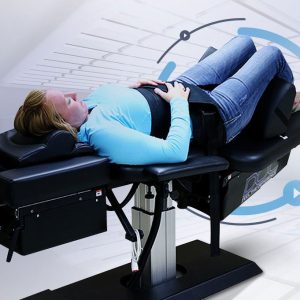
 

Traitement De La Hernie Discale À L'épiphanie Clinique Tagmed Montréal Terrebonne


Les symptômes courants nécessitant un traitement de la hernie discale

Des douleurs lancinantes ou aiguës dans le bas du dos, le cou ou même les membres inférieurs sont souvent les premiers signes indiquant qu’un traitement de la hernie discale est nécessaire. Ces douleurs sont généralement dues à la pression exercée par la hernie discale sur les nerfs, ce qui peut également entraîner des picotements, des engourdissements ou une sensation de brûlure. Pour L’Épiphanie, la décompression neurovertébrale est la méthode privilégiée pour soulager ces symptômes et redonner aux patients une meilleure qualité de vie.

Outre la douleur, les patients atteints de hernie discale souffrent fréquemment de limitations de mouvement. Les gestes quotidiens peuvent devenir difficiles et douloureux, ce qui affecte gravement la vie de tous les jours. En optant pour un traitement de la hernie discale par décompression neurovertébrale pour L’Épiphanie, les patients peuvent espérer une amélioration significative de leur mobilité et une réduction des douleurs associées.

Les troubles du sommeil sont un autre symptôme courant chez les personnes souffrant d’une hernie discale. La douleur peut s’intensifier pendant la nuit, perturbant le repos et causant une fatigue accrue. La décompression neurovertébrale, utilisée comme traitement pour L’Épiphanie, permet de diminuer ces douleurs nocturnes, améliorant ainsi la qualité du sommeil et la récupération globale des patients.

Les causes fréquentes des hernies discales pour L’Épiphanie

À L’Épiphanie, plusieurs facteurs peuvent favoriser l’apparition d’une hernie discale. Parmi ceux-ci, un mode de vie sédentaire se distingue particulièrement, surtout chez les personnes qui passent de longues heures assises ou effectuent des tâches répétitives qui sollicitent la colonne vertébrale. Ce type de pression continue peut causer des dommages aux disques intervertébraux, entraînant ainsi une hernie.

Le vieillissement naturel est également une cause fréquente des hernies discales. Avec l’âge, les disques intervertébraux perdent de leur souplesse et deviennent plus fragiles, ce qui peut mener à des fissures ou à des déplacements. Cette dégénérescence peut entraîner des douleurs chroniques qui nécessitent un traitement par décompression neurovertébrale pour L’Épiphanie.

Les blessures ou traumatismes physiques, tels que des chutes ou des accidents, sont aussi des causes possibles de hernies discales pour L’Épiphanie. Ces incidents peuvent entraîner des lésions graves aux disques intervertébraux, provoquant ainsi une compression nerveuse. Dans ces cas, la décompression neurovertébrale s’avère être un traitement essentiel pour soulager la douleur et favoriser la guérison.
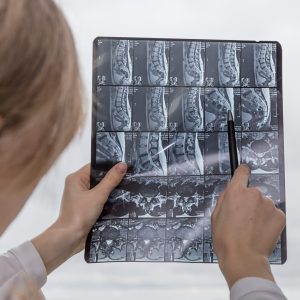
 

Traitement De La Hernie Discale À L'épiphanie Clinique Tagmed Montréal Terrebonne


Les techniques de décompression neurovertébrale pour le traitement de la hernie discale pour L’Épiphanie

Pour L’Épiphanie, les patients ayant une hernie discale peuvent bénéficier de différentes techniques de décompression neurovertébrale. L’une des méthodes les plus utilisées est la thérapie par traction, qui permet d’étirer doucement la colonne vertébrale et ainsi de diminuer la pression exercée sur les disques endommagés. Cette approche non invasive aide à soulager la douleur et à améliorer la flexibilité de la colonne vertébrale.

La thérapie manuelle, qui est également populaire pour le traitement de la hernie discale pour L’Épiphanie, consiste en des manipulations précises effectuées par des professionnels de santé. Ces manipulations visent à réaligner les vertèbres et à réduire la compression nerveuse causée par la hernie. Ce traitement est souvent combiné à d’autres méthodes non invasives pour offrir un soulagement complet et durable.

Les cliniques pour L’Épiphanie utilisent également des technologies de pointe, telles que la décompression vertébrale assistée par ordinateur. Ces dispositifs permettent d’appliquer un traitement ciblé sur les zones touchées, offrant une précision accrue et une meilleure efficacité. Grâce à ces techniques avancées, les patients peuvent recevoir un traitement personnalisé qui minimise les risques et maximise les résultats.

Pourquoi choisir un traitement de la hernie discale pour L’Épiphanie

L’Épiphanie se distingue par la qualité de ses services de santé, en particulier dans le traitement de la hernie discale. Les professionnels de santé de la région sont hautement qualifiés et possèdent une vaste expérience dans la gestion des affections de la colonne vertébrale. En choisissant un traitement de la hernie discale pour L’Épiphanie, les patients peuvent être assurés de recevoir des soins personnalisés, adaptés à leurs besoins spécifiques.

Un autre avantage de choisir L’Épiphanie pour un traitement de la hernie discale est la proximité des services de santé. Les patients n’ont pas besoin de se déplacer loin pour accéder à des soins de qualité, ce qui est crucial pour ceux qui souffrent de douleurs chroniques ou de limitations de mobilité. De plus, les cliniques locales offrent souvent des rendez-vous rapides, permettant de commencer le traitement sans délai.

Les cliniques pour L’Épiphanie sont également équipées des dernières technologies en matière de décompression neurovertébrale. Cette combinaison d’équipements modernes et d’une expertise médicale de haut niveau garantit des résultats optimaux pour le traitement de la hernie discale. Les patients peuvent ainsi bénéficier des meilleures options thérapeutiques tout en restant proches de leur domicile.

Les avantages du traitement de la hernie discale par décompression neurovertébrale

Le traitement de la hernie discale par décompression neurovertébrale présente de nombreux avantages, notamment la réduction de la douleur sans recours à la chirurgie. Pour L’Épiphanie, cette méthode non invasive constitue une alternative attrayante aux interventions chirurgicales, offrant moins de risques et un temps de récupération plus court. Cela permet aux patients de reprendre rapidement leurs activités quotidiennes avec moins de douleur.

En plus de réduire la douleur, le traitement de la hernie discale par décompression neurovertébrale améliore également la mobilité et la flexibilité de la colonne vertébrale. Les patients signalent souvent une diminution de la raideur et une plus grande amplitude de mouvement, ce qui leur permet de retrouver un mode de vie plus actif et de prévenir de futures complications.

Enfin, la décompression neurovertébrale aide à stabiliser la colonne vertébrale et à prévenir l’aggravation des hernies discales. En réduisant la pression sur les nerfs et en améliorant la santé des disques intervertébraux, ce traitement permet d’éviter l’apparition de nouveaux problèmes. Pour L’Épiphanie, cela se traduit par une meilleure qualité de vie à long terme et une diminution du risque de récidive de la douleur.


Traitement De La Hernie Discale À L'épiphanie Clinique Tagmed Montréal Terrebonne


Recherches/études publiées en décompression neurovertébrale


Téléchargez les recherches qui ont été publiées concernant la décompression neurovertébrale:


Traitement De La Hernie Discale À L'épiphanie Clinique Tagmed Montréal Terrebonne


Rapport spécial GRATUIT sur la décompression neurovertébrale à télécharger

Traitement De La Hernie Discale À L'épiphanie Clinique Tagmed Montréal Terrebonne


Pour en savoir plus, veuillez consulter nos sites internet spécialisés en décompression neurovertébrale:


Retrouvez une Vie Sans Douleur : Nos Experts en Traitement de la Hernie Discale à Montréal & Terrebonne Desservent Tous les Arrondissements & Villes de Montréal, l’Agglomération de Longueuil, la Couronne Sud, l’Agglomération de Laval et la Couronne Nord!


Arrondissements & Villes de Montréal


Couronne Nord de Montréal

Préparations au traitement de décompression neurovertébrale pour la hernie discale

  • Prenez votre rendez-vous en ligne ou contactez notre personnel de la clinique TAGMED afin de prendre votre rendez-vous par téléphone.
  • Avant de se rendre à la clinique TAGMED de Montréal ou Terrebonne pour un premier traitement, il y a certaines choses que vous devriez absolument faire. Tout d'abord, assurez-vous d'avoir vos rapports d’imagerie médicale (radiographie, IRM ou échographie) disponibles.
  • Après cela, téléchargez, imprimez et remplissez notre formulaire plus bas, avec toutes les informations pertinentes qui peuvent être nécessaires pour votre traitement. Enfin, avant de vous rendre à la clinique TAGMED pour votre premier traitement, familiarisez-vous avec les différents traitements offerts par notre clinique et sachez ce à quoi vous pouvez vous attendre.
  • Assurez-vous également d'être conscient des différents risques et effets secondaires possibles associés au traitement proposé par la clinique Tagmed. Vous devriez également prendre toutes les mesures nécessaires (ex. Appliquez de la glace à l’endroit inflammé) afin de vous assurer que votre corps est prêt à recevoir un nouveau traitement.
  • Finalement, si vous n’avez pas pu remplir notre formulaire, tel que mentionné plus haut, arrivez 15 minutes avant l’heure de votre rendez-vous afin de vous assurer d’avoir suffisamment de temps pour discuter de votre condition, faire l’évaluation et votre traitement.

À Compléter Avant Votre Consultation à la clinique TAGMED

Téléchargez, imprimez et remplissez ce questionnaire (votre historique de santé), avant de nous consulter, afin de sauver du temps. (Cliquez sur la tablette !)

Questions fréquemment posées

Hernie discale

  • Hernie discale : de quoi s’agit-il ?

    Une hernie discale est un déplacement localisé de matière d’un disque intervertébral. Sa signification dépend de la région, de sa position et de sa concordance avec les symptômes et l’examen clinique.

    Pour en savoir plus : AAOS — Herniated Disk in the Lower Back.

  • Hernie discale : quels symptômes sont possibles ?

    Une hernie peut être asymptomatique ou s’accompagner d’une douleur au dos ou au cou. Lorsqu’une racine nerveuse est irritée, la douleur peut irradier dans un membre et s’accompagner de fourmillements ou de faiblesse.

    Pour en savoir plus : AAOS — Herniated Disk in the Lower Back.

  • Hernie discale : quelles distinctions sont importantes ?

    Les mots hernie, protrusion et bombement décrivent des aspects anatomiques différents. Leur présence dans un rapport d’imagerie ne permet pas, à elle seule, de déterminer la gravité des symptômes ou le traitement approprié.

    Pour en savoir plus : AAOS — Herniated Disk in the Lower Back.

  • Hernie discale : comment se déroule l’évaluation ?

    L’évaluation commence par votre histoire, le trajet de la douleur, les activités difficiles et les traitements déjà essayés. Elle comprend un examen des mouvements et, lorsque les symptômes le justifient, de la sensibilité, de la force et des réflexes. Les rapports d’imagerie disponibles sont mis en relation avec ces observations.

    Pour en savoir plus : AAOS — Herniated Disk in the Lower Back.

  • Hernie discale : faut-il toujours une IRM ?

    L’imagerie n’est pas systématique pour chaque douleur du dos. Elle est envisagée selon les symptômes, l’examen et sa capacité à modifier la prise en charge. Une faiblesse progressive ou d’autres signes préoccupants peuvent justifier une investigation plus rapide.

    Pour en savoir plus : NICE NG59 — Low back pain and sciatica.

  • Hernie discale : quelle place peut avoir la décompression neurovertébrale chez TAGMED ?

    Chez TAGMED, la pertinence d’une décompression neurovertébrale se discute après une évaluation individuelle. La table motorisée applique des phases de traction contrôlée et de relâchement adaptées à la région. Cette approche n’est pas indiquée pour toutes les situations et ne permet pas de garantir une guérison ou la disparition d’une anomalie à l’imagerie.

    Pour en savoir plus : Clinique TAGMED.

  • Hernie discale : quelles autres mesures peuvent être discutées ?

    Selon la situation, les options comprennent l’adaptation des activités, des exercices progressifs et une prise en charge conservatrice individualisée. Un avis médical peut être pertinent pour les médicaments, les infiltrations ou d’autres interventions. Le choix tient compte de vos objectifs, de la tolérance et de l’évolution des symptômes.

    Pour en savoir plus : NICE NG59 — Low back pain and sciatica.

  • Hernie discale : comment suivre l’évolution et déterminer la durée des soins ?

    Le suivi porte sur la douleur, les capacités dans les activités quotidiennes, la tolérance aux positions et, si nécessaire, les signes neurologiques. La fréquence et la durée des soins sont réévaluées selon la réponse. Une absence de progrès ou une aggravation doit conduire à revoir le plan et les investigations utiles.

    Pour en savoir plus : NICE NG59 — Low back pain and sciatica.

  • Hernie discale : quels signes nécessitent une évaluation médicale rapide ?

    Une perte récente du contrôle urinaire ou intestinal, une diminution de sensibilité dans la région périnéale ou une faiblesse importante et progressive des jambes nécessitent une évaluation urgente. Une douleur avec fièvre, traumatisme important ou altération de l’état général mérite aussi une évaluation médicale rapide.

    Pour en savoir plus : AAOS — Herniated Disk in the Lower Back.

  • Hernie discale : comment préparer une consultation chez TAGMED ?

    Préparez la chronologie de vos symptômes, les activités qui les modifient, la liste des traitements déjà essayés et vos rapports d’imagerie, si vous en avez. Notez vos objectifs et vos questions. La page détaillée associée présente la condition et les informations pratiques pour poursuivre votre démarche.

    Pour en savoir plus : Clinique TAGMED.

Références

722490 8ZX8DH8R 1 apsa 50 default 1 28945 https://www.cliniquetagmed.com/wp-content/plugins/zotpress/
%7B%22status%22%3A%22success%22%2C%22updateneeded%22%3Afalse%2C%22instance%22%3Afalse%2C%22meta%22%3A%7B%22request_last%22%3A0%2C%22request_next%22%3A0%2C%22used_cache%22%3Atrue%7D%2C%22data%22%3A%5B%7B%22key%22%3A%22YY8PHS88%22%2C%22library%22%3A%7B%22id%22%3A722490%7D%2C%22meta%22%3A%7B%22creatorSummary%22%3A%22Kim%20et%20al.%22%2C%22parsedDate%22%3A%222021-02-16%22%2C%22numChildren%22%3A2%7D%2C%22bib%22%3A%22%26lt%3Bdiv%20class%3D%26quot%3Bcsl-bib-body%26quot%3B%20style%3D%26quot%3Bline-height%3A%201.35%3B%20padding-left%3A%201em%3B%20text-indent%3A-1em%3B%26quot%3B%26gt%3B%5Cn%20%20%26lt%3Bdiv%20class%3D%26quot%3Bcsl-entry%26quot%3B%26gt%3BKim%2C%20Chi%20Heon%2C%20Yunhee%20Choi%2C%20Chun%20Kee%20Chung%2C%20Ki-Jeong%20Kim%2C%20Dong%20Ah%20Shin%2C%20Youn-Kwan%20Park%2C%20Woo-Keun%20Kwon%2C%20et%20al.%202021.%20%26%23x201C%3BNonsurgical%20Treatment%20Outcomes%20for%20Surgical%20Candidates%20with%20Lumbar%20Disc%20Herniation%3A%20A%20Comprehensive%20Cohort%20Study.%26%23x201D%3B%20%26lt%3Bi%26gt%3BScientific%20Reports%26lt%3B%5C%2Fi%26gt%3B%2011%281%29%3A%203931.%20%26lt%3Ba%20class%3D%26%23039%3Bzp-DOIURL%26%23039%3B%20href%3D%26%23039%3Bhttp%3A%5C%2F%5C%2Fdoi.org%5C%2F10.1038%5C%2Fs41598-021-83471-y%26%23039%3B%26gt%3Bhttp%3A%5C%2F%5C%2Fdoi.org%5C%2F10.1038%5C%2Fs41598-021-83471-y%26lt%3B%5C%2Fa%26gt%3B.%26lt%3B%5C%2Fdiv%26gt%3B%5Cn%26lt%3B%5C%2Fdiv%26gt%3B%22%2C%22data%22%3A%7B%22itemType%22%3A%22journalArticle%22%2C%22title%22%3A%22Nonsurgical%20treatment%20outcomes%20for%20surgical%20candidates%20with%20lumbar%20disc%20herniation%3A%20a%20comprehensive%20cohort%20study%22%2C%22creators%22%3A%5B%7B%22creatorType%22%3A%22author%22%2C%22firstName%22%3A%22Chi%20Heon%22%2C%22lastName%22%3A%22Kim%22%7D%2C%7B%22creatorType%22%3A%22author%22%2C%22firstName%22%3A%22Yunhee%22%2C%22lastName%22%3A%22Choi%22%7D%2C%7B%22creatorType%22%3A%22author%22%2C%22firstName%22%3A%22Chun%20Kee%22%2C%22lastName%22%3A%22Chung%22%7D%2C%7B%22creatorType%22%3A%22author%22%2C%22firstName%22%3A%22Ki-Jeong%22%2C%22lastName%22%3A%22Kim%22%7D%2C%7B%22creatorType%22%3A%22author%22%2C%22firstName%22%3A%22Dong%20Ah%22%2C%22lastName%22%3A%22Shin%22%7D%2C%7B%22creatorType%22%3A%22author%22%2C%22firstName%22%3A%22Youn-Kwan%22%2C%22lastName%22%3A%22Park%22%7D%2C%7B%22creatorType%22%3A%22author%22%2C%22firstName%22%3A%22Woo-Keun%22%2C%22lastName%22%3A%22Kwon%22%7D%2C%7B%22creatorType%22%3A%22author%22%2C%22firstName%22%3A%22Seung%20Heon%22%2C%22lastName%22%3A%22Yang%22%7D%2C%7B%22creatorType%22%3A%22author%22%2C%22firstName%22%3A%22Chang%20Hyun%22%2C%22lastName%22%3A%22Lee%22%7D%2C%7B%22creatorType%22%3A%22author%22%2C%22firstName%22%3A%22Sung%20Bae%22%2C%22lastName%22%3A%22Park%22%7D%2C%7B%22creatorType%22%3A%22author%22%2C%22firstName%22%3A%22Eun%20Sang%22%2C%22lastName%22%3A%22Kim%22%7D%2C%7B%22creatorType%22%3A%22author%22%2C%22firstName%22%3A%22Hyunsook%22%2C%22lastName%22%3A%22Hong%22%7D%2C%7B%22creatorType%22%3A%22author%22%2C%22firstName%22%3A%22Yongeun%22%2C%22lastName%22%3A%22Cho%22%7D%5D%2C%22abstractNote%22%3A%22Physicians%20often%20encounter%20surgical%20candidates%20with%20lumbar%20disc%20herniation%20%28LDH%29%20who%20request%20non-surgical%20management%20even%20though%20surgery%20is%20recommended.%20However%2C%20second%20opinions%20may%20differ%20among%20doctors.%20Therefore%2C%20a%20prospective%20comprehensive%20cohort%20study%20%28CCS%29%20was%20designed%20to%20assess%20outcomes%20of%20nonsurgical%20treatment%20for%20surgical%20candidates%20who%20were%20recommended%20to%20undergo%20surgery%20for%20LDH%20but%20requested%20a%20second%20opinion.%20The%20CCS%20includes%20both%20randomized%20and%20observational%20cohorts%2C%20comprising%20a%20nonsurgery%20cohort%20and%20surgery%20cohort%2C%20in%20a%20parallel%20fashion.%20Crossover%20between%20the%20nonsurgery%20and%20surgery%20cohorts%20was%20allowed%20at%20any%20time.%20The%20present%20study%20was%20an%20as-treated%20interim%20analysis%20of%20128%20cases%20%28nonsurgery%20cohort%2C%20n%5Cu2009%3D%5Cu200971%3B%20surgery%20cohort%2C%20n%5Cu2009%3D%5Cu200957%29.%20Patient-reported%20outcomes%20included%20visual%20analogue%20scores%20for%20the%20back%20%28VAS-B%29%20and%20leg%20%28VAS-L%29%2C%20the%20Oswestry%20Disability%20Index%2C%20the%20EuroQol%205-Dimension%20instrument%2C%20and%20the%2036-Item%20Short-Form%20Health%20Survey%20%28SF-36%29%2C%20which%20were%20evaluated%20at%20baseline%20and%20at%201%2C%203%2C%206%2C%2012%2C%20and%2024%5Cu00a0months.%20At%20baseline%2C%20age%20and%20SF-36%20physical%20function%20were%20significantly%20lower%20in%20the%20surgery%20cohort%20than%20in%20the%20nonsurgery%20cohort%20%28p%5Cu2009%26lt%3B%5Cu20090.05%29.%20All%20adjusted%20outcomes%20significantly%20improved%20after%20both%20nonsurgical%20and%20surgical%20treatment%20%28p%5Cu2009%26lt%3B%5Cu20090.05%29.%20The%20nonsurgery%20cohort%20showed%20less%20improvement%20of%20VAS-B%20and%20VAS-L%20scores%20at%201%5Cu00a0month%20%28p%5Cu2009%26lt%3B%5Cu20090.01%29%2C%20but%20no%20difference%20between%20cohorts%20was%20observed%20thereafter%20for%2024%5Cu00a0months%20%28p%5Cu2009%26gt%3B%5Cu20090.01%29.%20Nonsurgical%20management%20may%20be%20a%20negotiable%20option%20even%20for%20surgical%20candidates%20in%20the%20shared%20decision-making%20process.%22%2C%22date%22%3A%222021-02-16%22%2C%22language%22%3A%22eng%22%2C%22DOI%22%3A%2210.1038%5C%2Fs41598-021-83471-y%22%2C%22ISSN%22%3A%222045-2322%22%2C%22url%22%3A%22%22%2C%22collections%22%3A%5B%228ZX8DH8R%22%5D%2C%22dateModified%22%3A%222023-01-12T15%3A45%3A33Z%22%7D%7D%2C%7B%22key%22%3A%22RRWS9SH3%22%2C%22library%22%3A%7B%22id%22%3A722490%7D%2C%22meta%22%3A%7B%22creatorSummary%22%3A%22Ma%20et%20al.%22%2C%22parsedDate%22%3A%222021-08%22%2C%22numChildren%22%3A1%7D%2C%22bib%22%3A%22%26lt%3Bdiv%20class%3D%26quot%3Bcsl-bib-body%26quot%3B%20style%3D%26quot%3Bline-height%3A%201.35%3B%20padding-left%3A%201em%3B%20text-indent%3A-1em%3B%26quot%3B%26gt%3B%5Cn%20%20%26lt%3Bdiv%20class%3D%26quot%3Bcsl-entry%26quot%3B%26gt%3BMa%2C%20Zhijia%2C%20Pengfei%20Yu%2C%20Hong%20Jiang%2C%20Xiaochun%20Li%2C%20Xiang%20Qian%2C%20Zhenhan%20Yu%2C%20Yu%20Zhu%2C%20and%20Jintao%20Liu.%202021.%20%26%23x201C%3BConservative%20Treatment%20for%20Giant%20Lumbar%20Disc%20Herniation%3A%20Clinical%20Study%20in%20409%20Cases.%26%23x201D%3B%20%26lt%3Bi%26gt%3BPain%20Physician%26lt%3B%5C%2Fi%26gt%3B%2024%285%29%3A%20E639%26%23x2013%3B48.%26lt%3B%5C%2Fdiv%26gt%3B%5Cn%26lt%3B%5C%2Fdiv%26gt%3B%22%2C%22data%22%3A%7B%22itemType%22%3A%22journalArticle%22%2C%22title%22%3A%22Conservative%20Treatment%20for%20Giant%20Lumbar%20Disc%20Herniation%3A%20Clinical%20Study%20in%20409%20Cases%22%2C%22creators%22%3A%5B%7B%22creatorType%22%3A%22author%22%2C%22firstName%22%3A%22Zhijia%22%2C%22lastName%22%3A%22Ma%22%7D%2C%7B%22creatorType%22%3A%22author%22%2C%22firstName%22%3A%22Pengfei%22%2C%22lastName%22%3A%22Yu%22%7D%2C%7B%22creatorType%22%3A%22author%22%2C%22firstName%22%3A%22Hong%22%2C%22lastName%22%3A%22Jiang%22%7D%2C%7B%22creatorType%22%3A%22author%22%2C%22firstName%22%3A%22Xiaochun%22%2C%22lastName%22%3A%22Li%22%7D%2C%7B%22creatorType%22%3A%22author%22%2C%22firstName%22%3A%22Xiang%22%2C%22lastName%22%3A%22Qian%22%7D%2C%7B%22creatorType%22%3A%22author%22%2C%22firstName%22%3A%22Zhenhan%22%2C%22lastName%22%3A%22Yu%22%7D%2C%7B%22creatorType%22%3A%22author%22%2C%22firstName%22%3A%22Yu%22%2C%22lastName%22%3A%22Zhu%22%7D%2C%7B%22creatorType%22%3A%22author%22%2C%22firstName%22%3A%22Jintao%22%2C%22lastName%22%3A%22Liu%22%7D%5D%2C%22abstractNote%22%3A%22BACKGROUND%3A%20There%20have%20been%20several%20recent%20reports%20of%20lumbar%20disc%20herniation%20%28LDH%29%20resorption%3B%20however%2C%20large%20sample%20studies%20are%20lacking%2C%20and%20the%20mechanism%28s%29%20underlying%20this%20phenomenon%20is%20unclear.%5CnOBJECTIVES%3A%20To%20explore%20the%20feasibility%20and%20clinical%20outcomes%20of%20conservative%20treatment%20for%20giant%20LDH%20and%20to%20analyze%20the%20factors%20affecting%20the%20resorption%20of%20giant%20LDH.%5CnSTUDY%20DESIGN%3A%20Observational%20study%20and%20original%20research.%5CnSETTING%3A%20This%20work%20was%20performed%20at%20a%20University%20Hospital%20of%20Traditional%20Chinese%20Medicine%2C%20Nanjing%20University%20of%20Traditional%20Chinese%20Medicine.%5CnMETHODS%3A%20From%20January%202008%20to%20December%202019%2C%20409%20patients%20with%20giant%20LDH%20who%20initially%20underwent%20nonsurgical%20treatment%20in%20our%20hospital%20were%20followed%20for%201-12%20years%20to%20analyze%20the%20rate%20of%20surgical%20intervention%2C%20calculate%20the%20rate%20of%20resorption%20of%20protrusions%2C%20and%20the%20rate%20of%20excellent%20clinical%20outcomes.%5CnRESULTS%3A%20Eighty-nine%20of%20the%20409%20patients%20%2821.76%25%29%20underwent%20surgery%2C%20while%20the%20remaining%20320%20patients%20%2878.24%25%29%20constituted%20the%20non-surgical%20treatment%20group.%20The%20Japanese%20Orthopaedic%20Association%20%28JOA%29%20score%20in%20the%20320%20patients%20changed%20from%2010.22%20%5Cu00b1%203.84%20points%20to%2024.88%20%5Cu00b1%205.69%20points%20after%20treatment%2C%20and%20the%20rate%20of%20excellent%20outcomes%20was%2084.06%25.%20Among%20the%20320%20patients%20in%20the%20non-surgical%20treatment%20group%2C%20the%20protrusion%20percentage%20decreased%20from%2070.08%5Cu00b130.95%25%20to%2031.67%20%5Cu00b1%2024.42%25.%20One-hundred%20and%20eighty-nine%20patients%20%2859.06%25%29%20had%20%26gt%3B%2030%25%20resorption%20of%20protrusions%2C%20and%2081%20patients%20%2825.31%25%29%20had%20a%20significant%20resorption%20of%20protrusions%20of%20%26gt%3B%2050%25.%20Among%20189%20patients%20with%20resorption%2C%20the%20shortest%20resorption%20interval%20was%201%20month%2C%20and%20the%20longest%20was%208%20years%2C%20with%2077%20patients%20%2840.74%25%29%20showing%20resorption%20within%206%20months%2C%2051%20%2826.98%25%29%20within%206-12%20months%2C%20and%2061%20patients%20%2832.28%25%29%20after%2012%20months.%5CnLIMITATION%3A%20The%20main%20limitations%20are%20that%20all%20patients%20were%20from%20the%20same%20site%2C%20and%20there%20was%20a%20lack%20of%20multicenter%20randomized%20controlled%20trials%20with%20which%20to%20compare%20data.%5CnCONCLUSIONS%3A%20Patients%20with%20giant%20LDH%20are%20less%20likely%20to%20develop%20progressive%20nerve%20injury%20and%20cauda%20equina%20syndrome%20if%20their%20clinical%20symptoms%20improve%20after%20treatment.%20As%20long%20as%20there%20is%20no%20progressive%20nerve%20injury%20or%20cauda%20equina%20syndrome%2C%20conservative%20treatment%20is%20preferred%20for%20giant%20disc%20herniation.%20Resorption%20is%20more%20likely%20with%20greater%20disc%20protrusions%20in%20the%20spinal%20canal.%20A%20ring%20enhancement%20bull%26%23039%3Bs%20eye%20sign%29%20around%20a%20protruding%20disc%20on%20enhanced%20magnetic%20resonance%20imaging%20is%20an%20important%20indicator%20of%20straightforward%20resorption.%22%2C%22date%22%3A%222021-08%22%2C%22language%22%3A%22eng%22%2C%22DOI%22%3A%22%22%2C%22ISSN%22%3A%222150-1149%22%2C%22url%22%3A%22%22%2C%22collections%22%3A%5B%228ZX8DH8R%22%5D%2C%22dateModified%22%3A%222023-01-12T15%3A45%3A33Z%22%7D%7D%2C%7B%22key%22%3A%22XYCGHEN7%22%2C%22library%22%3A%7B%22id%22%3A722490%7D%2C%22meta%22%3A%7B%22creatorSummary%22%3A%22Jordan%20et%20al.%22%2C%22parsedDate%22%3A%222009-03-26%22%2C%22numChildren%22%3A1%7D%2C%22bib%22%3A%22%26lt%3Bdiv%20class%3D%26quot%3Bcsl-bib-body%26quot%3B%20style%3D%26quot%3Bline-height%3A%201.35%3B%20padding-left%3A%201em%3B%20text-indent%3A-1em%3B%26quot%3B%26gt%3B%5Cn%20%20%26lt%3Bdiv%20class%3D%26quot%3Bcsl-entry%26quot%3B%26gt%3BJordan%2C%20Jo%2C%20Kika%20Konstantinou%2C%20and%20John%20O%26%23x2019%3BDowd.%202009.%20%26%23x201C%3BHerniated%20Lumbar%20Disc.%26%23x201D%3B%20%26lt%3Bi%26gt%3BBMJ%20clinical%20evidence%26lt%3B%5C%2Fi%26gt%3B%202009%3A%201118.%26lt%3B%5C%2Fdiv%26gt%3B%5Cn%26lt%3B%5C%2Fdiv%26gt%3B%22%2C%22data%22%3A%7B%22itemType%22%3A%22journalArticle%22%2C%22title%22%3A%22Herniated%20lumbar%20disc%22%2C%22creators%22%3A%5B%7B%22creatorType%22%3A%22author%22%2C%22firstName%22%3A%22Jo%22%2C%22lastName%22%3A%22Jordan%22%7D%2C%7B%22creatorType%22%3A%22author%22%2C%22firstName%22%3A%22Kika%22%2C%22lastName%22%3A%22Konstantinou%22%7D%2C%7B%22creatorType%22%3A%22author%22%2C%22firstName%22%3A%22John%22%2C%22lastName%22%3A%22O%27Dowd%22%7D%5D%2C%22abstractNote%22%3A%22INTRODUCTION%3A%20Herniated%20lumbar%20disc%20is%20a%20displacement%20of%20disc%20material%20%28nucleus%20pulposus%20or%20annulus%20fibrosis%29%20beyond%20the%20intervertebral%20disc%20space.%20The%20highest%20prevalence%20is%20among%20people%20aged%2030-50%20years%2C%20with%20a%20male%20to%20female%20ratio%20of%202%3A1.%20There%20is%20little%20evidence%20to%20suggest%20that%20drug%20treatments%20are%20effective%20in%20treating%20herniated%20disc.%5CnMETHODS%20AND%20OUTCOMES%3A%20We%20conducted%20a%20systematic%20review%20and%20aimed%20to%20answer%20the%20following%20clinical%20questions%3A%20What%20are%20the%20effects%20of%20drug%20treatments%2C%20non-drug%20treatments%2C%20and%20surgery%20for%20herniated%20lumbar%20disc%3F%20We%20searched%3A%20Medline%2C%20Embase%2C%20The%20Cochrane%20Library%2C%20and%20other%20important%20databases%20up%20to%20July%202008%20%28Clinical%20Evidence%20reviews%20are%20updated%20periodically%3B%20please%20check%20our%20website%20for%20the%20most%20up-to-date%20version%20of%20this%20review%29.%20We%20included%20harms%20alerts%20from%20relevant%20organisations%20such%20as%20the%20US%20Food%20and%20Drug%20Administration%20%28FDA%29%20and%20the%20UK%20Medicines%20and%20Healthcare%20products%20Regulatory%20Agency%20%28MHRA%29.%5CnRESULTS%3A%20We%20found%2049%20systematic%20reviews%2C%20RCTs%2C%20or%20observational%20studies%20that%20met%20our%20inclusion%20criteria.%20We%20performed%20a%20GRADE%20evaluation%20of%20the%20quality%20of%20evidence%20for%20interventions.%5CnCONCLUSIONS%3A%20In%20this%20systematic%20review%2C%20we%20present%20information%20relating%20to%20the%20effectiveness%20and%20safety%20of%20the%20following%20interventions%3A%20acupuncture%2C%20advice%20to%20stay%20active%2C%20analgesics%2C%20antidepressants%2C%20bed%20rest%2C%20corticosteroids%20%28epidural%20injections%29%2C%20cytokine%20inhibitors%20%28infliximab%29%2C%20discectomy%20%28automated%20percutaneous%2C%20laser%2C%20microdisectomy%2C%20standard%29%2C%20exercise%20therapy%2C%20heat%2C%20ice%2C%20massage%2C%20muscle%20relaxants%2C%20non-steroidal%20anti-inflammatory%20drugs%20%28NSAIDs%29%2C%20percutaneous%20disc%20decompression%2C%20spinal%20manipulation%2C%20and%20traction.%22%2C%22date%22%3A%222009-03-26%22%2C%22language%22%3A%22eng%22%2C%22DOI%22%3A%22%22%2C%22ISSN%22%3A%221752-8526%22%2C%22url%22%3A%22%22%2C%22collections%22%3A%5B%228ZX8DH8R%22%5D%2C%22dateModified%22%3A%222023-01-12T15%3A45%3A33Z%22%7D%7D%2C%7B%22key%22%3A%22UX5NWF2V%22%2C%22library%22%3A%7B%22id%22%3A722490%7D%2C%22meta%22%3A%7B%22creatorSummary%22%3A%22van%20der%20Windt%20et%20al.%22%2C%22parsedDate%22%3A%222010-02-17%22%2C%22numChildren%22%3A2%7D%2C%22bib%22%3A%22%26lt%3Bdiv%20class%3D%26quot%3Bcsl-bib-body%26quot%3B%20style%3D%26quot%3Bline-height%3A%201.35%3B%20padding-left%3A%201em%3B%20text-indent%3A-1em%3B%26quot%3B%26gt%3B%5Cn%20%20%26lt%3Bdiv%20class%3D%26quot%3Bcsl-entry%26quot%3B%26gt%3Bvan%20der%20Windt%2C%20Dani%26%23xEB%3Blle%20Awm%2C%20Emmanuel%20Simons%2C%20Ingrid%20I.%20Riphagen%2C%20Carlo%20Ammendolia%2C%20Arianne%20P.%20Verhagen%2C%20Mark%20Laslett%2C%20Walter%20Devill%26%23xE9%3B%2C%20et%20al.%202010.%20%26%23x201C%3BPhysical%20Examination%20for%20Lumbar%20Radiculopathy%20Due%20to%20Disc%20Herniation%20in%20Patients%20with%20Low-Back%20Pain.%26%23x201D%3B%20%26lt%3Bi%26gt%3BThe%20Cochrane%20Database%20of%20Systematic%20Reviews%26lt%3B%5C%2Fi%26gt%3B%20%282%29%3A%20CD007431.%20%26lt%3Ba%20class%3D%26%23039%3Bzp-DOIURL%26%23039%3B%20href%3D%26%23039%3Bhttp%3A%5C%2F%5C%2Fdoi.org%5C%2F10.1002%5C%2F14651858.CD007431.pub2%26%23039%3B%26gt%3Bhttp%3A%5C%2F%5C%2Fdoi.org%5C%2F10.1002%5C%2F14651858.CD007431.pub2%26lt%3B%5C%2Fa%26gt%3B.%26lt%3B%5C%2Fdiv%26gt%3B%5Cn%26lt%3B%5C%2Fdiv%26gt%3B%22%2C%22data%22%3A%7B%22itemType%22%3A%22journalArticle%22%2C%22title%22%3A%22Physical%20examination%20for%20lumbar%20radiculopathy%20due%20to%20disc%20herniation%20in%20patients%20with%20low-back%20pain%22%2C%22creators%22%3A%5B%7B%22creatorType%22%3A%22author%22%2C%22firstName%22%3A%22Dani%5Cu00eblle%20Awm%22%2C%22lastName%22%3A%22van%20der%20Windt%22%7D%2C%7B%22creatorType%22%3A%22author%22%2C%22firstName%22%3A%22Emmanuel%22%2C%22lastName%22%3A%22Simons%22%7D%2C%7B%22creatorType%22%3A%22author%22%2C%22firstName%22%3A%22Ingrid%20I.%22%2C%22lastName%22%3A%22Riphagen%22%7D%2C%7B%22creatorType%22%3A%22author%22%2C%22firstName%22%3A%22Carlo%22%2C%22lastName%22%3A%22Ammendolia%22%7D%2C%7B%22creatorType%22%3A%22author%22%2C%22firstName%22%3A%22Arianne%20P.%22%2C%22lastName%22%3A%22Verhagen%22%7D%2C%7B%22creatorType%22%3A%22author%22%2C%22firstName%22%3A%22Mark%22%2C%22lastName%22%3A%22Laslett%22%7D%2C%7B%22creatorType%22%3A%22author%22%2C%22firstName%22%3A%22Walter%22%2C%22lastName%22%3A%22Devill%5Cu00e9%22%7D%2C%7B%22creatorType%22%3A%22author%22%2C%22firstName%22%3A%22Rick%20A.%22%2C%22lastName%22%3A%22Deyo%22%7D%2C%7B%22creatorType%22%3A%22author%22%2C%22firstName%22%3A%22Lex%20M.%22%2C%22lastName%22%3A%22Bouter%22%7D%2C%7B%22creatorType%22%3A%22author%22%2C%22firstName%22%3A%22Henrica%20Cw%22%2C%22lastName%22%3A%22de%20Vet%22%7D%2C%7B%22creatorType%22%3A%22author%22%2C%22firstName%22%3A%22Bert%22%2C%22lastName%22%3A%22Aertgeerts%22%7D%5D%2C%22abstractNote%22%3A%22BACKGROUND%3A%20Low-back%20pain%20with%20leg%20pain%20%28sciatica%29%20may%20be%20caused%20by%20a%20herniated%20intervertebral%20disc%20exerting%20pressure%20on%20the%20nerve%20root.%20Most%20patients%20will%20respond%20to%20conservative%20treatment%2C%20but%20in%20carefully%20selected%20patients%2C%20surgical%20discectomy%20may%20provide%20faster%20relief%20of%20symptoms.%20Primary%20care%20clinicians%20use%20patient%20history%20and%20physical%20examination%20to%20evaluate%20the%20likelihood%20of%20disc%20herniation%20and%20select%20patients%20for%20further%20imaging%20and%20possible%20surgery.%5CnOBJECTIVES%3A%20%281%29%20To%20assess%20the%20performance%20of%20tests%20performed%20during%20physical%20examination%20%28alone%20or%20in%20combination%29%20to%20identify%20radiculopathy%20due%20to%20lower%20lumbar%20disc%20herniation%20in%20patients%20with%20low-back%20pain%20and%20sciatica%3B%282%29%20To%20assess%20the%20influence%20of%20sources%20of%20heterogeneity%20on%20diagnostic%20performance.%5CnSEARCH%20STRATEGY%3A%20We%20searched%20electronic%20databases%20for%20primary%20studies%3A%20PubMed%20%28includes%20MEDLINE%29%2C%20EMBASE%2C%20and%20CINAHL%2C%20and%20%28systematic%29%20reviews%3A%20PubMed%20and%20Medion%20%28all%20from%20earliest%20until%2030%20April%202008%29%2C%20and%20checked%20references%20of%20retrieved%20articles.%5CnSELECTION%20CRITERIA%3A%20We%20considered%20studies%20if%20they%20compared%20the%20results%20of%20tests%20performed%20during%20physical%20examination%20on%20patients%20with%20back%20pain%20with%20those%20of%20diagnostic%20imaging%20%28MRI%2C%20CT%2C%20myelography%29%20or%20findings%20at%20surgery.%5CnDATA%20COLLECTION%20AND%20ANALYSIS%3A%20Two%20review%20authors%20assessed%20the%20quality%20of%20each%20publication%20with%20the%20QUADAS%20tool%2C%20and%20extracted%20details%20on%20patient%20and%20study%20design%20characteristics%2C%20index%20tests%20and%20reference%20standard%2C%20and%20the%20diagnostic%20two-by-two%20table.%20We%20presented%20information%20on%20sensitivities%20and%20specificities%20with%2095%25%20confidence%20intervals%20%2895%25%20CI%29%20for%20all%20aspects%20of%20physical%20examination.%20Pooled%20estimates%20of%20sensitivity%20and%20specificity%20were%20computed%20for%20subsets%20of%20studies%20showing%20sufficient%20clinical%20and%20statistical%20homogeneity.%5CnMAIN%20RESULTS%3A%20We%20included%2016%20cohort%20studies%20%28median%20N%20%3D%20126%2C%20range%2071%20to%202504%29%20and%20three%20case%20control%20studies%20%2838%20to100%20cases%29.%20Only%20one%20study%20was%20carried%20out%20in%20a%20primary%20care%20population.%20When%20used%20in%20isolation%2C%20diagnostic%20performance%20of%20most%20physical%20tests%20%28scoliosis%2C%20paresis%20or%20muscle%20weakness%2C%20muscle%20wasting%2C%20impaired%20reflexes%2C%20sensory%20deficits%29%20was%20poor.%20Some%20tests%20%28forward%20flexion%2C%20hyper-extension%20test%2C%20and%20slump%20test%29%20performed%20slightly%20better%2C%20but%20the%20number%20of%20studies%20was%20small.%20In%20the%20one%20primary%20care%20study%2C%20most%20tests%20showed%20higher%20specificity%20and%20lower%20sensitivity%20compared%20to%20other%20settings.Most%20studies%20assessed%20the%20Straight%20Leg%20Raising%20%28SLR%29%20test.%20In%20surgical%20populations%2C%20characterized%20by%20a%20high%20prevalence%20of%20disc%20herniation%20%2858%25%20to%2098%25%29%2C%20the%20SLR%20showed%20high%20sensitivity%20%28pooled%20estimate%200.92%2C%2095%25%20CI%3A%200.87%20to%200.95%29%20with%20widely%20varying%20specificity%20%280.10%20to%201.00%2C%20pooled%20estimate%200.28%2C%2095%25%20CI%3A%200.18%20to%200.40%29.%20Results%20of%20studies%20using%20imaging%20showed%20more%20heterogeneity%20and%20poorer%20sensitivity.%20The%20crossed%20SLR%20showed%20high%20specificity%20%28pooled%20estimate%200.90%2C%2095%25%20CI%3A%200.85%20to%200.94%29%20with%20consistently%20low%20sensitivity%20%28pooled%20estimate%200.28%2C%2095%25%20CI%3A%200.22%20to%200.35%29.Combining%20positive%20test%20results%20increased%20the%20specificity%20of%20physical%20tests%2C%20but%20few%20studies%20presented%20data%20on%20test%20combinations.%5CnAUTHORS%26%23039%3B%20CONCLUSIONS%3A%20When%20used%20in%20isolation%2C%20current%20evidence%20indicates%20poor%20diagnostic%20performance%20of%20most%20physical%20tests%20used%20to%20identify%20lumbar%20disc%20herniation.%20However%2C%20most%20findings%20arise%20from%20surgical%20populations%20and%20may%20not%20apply%20to%20primary%20care%20or%20non-selected%20populations.%20Better%20performance%20may%20be%20obtained%20when%20tests%20are%20combined.%22%2C%22date%22%3A%222010-02-17%22%2C%22language%22%3A%22eng%22%2C%22DOI%22%3A%2210.1002%5C%2F14651858.CD007431.pub2%22%2C%22ISSN%22%3A%221469-493X%22%2C%22url%22%3A%22%22%2C%22collections%22%3A%5B%228ZX8DH8R%22%5D%2C%22dateModified%22%3A%222023-01-12T15%3A45%3A33Z%22%7D%7D%2C%7B%22key%22%3A%22WFYWMR73%22%2C%22library%22%3A%7B%22id%22%3A722490%7D%2C%22meta%22%3A%7B%22creatorSummary%22%3A%22Wang%20and%20Luo%22%2C%22parsedDate%22%3A%222021-06%22%2C%22numChildren%22%3A2%7D%2C%22bib%22%3A%22%26lt%3Bdiv%20class%3D%26quot%3Bcsl-bib-body%26quot%3B%20style%3D%26quot%3Bline-height%3A%201.35%3B%20padding-left%3A%201em%3B%20text-indent%3A-1em%3B%26quot%3B%26gt%3B%5Cn%20%20%26lt%3Bdiv%20class%3D%26quot%3Bcsl-entry%26quot%3B%26gt%3BWang%2C%20Rui%2C%20and%20Huasong%20Luo.%202021.%20%26%23x201C%3BRegression%20of%20Lumbar%20Disc%20Herniation%20with%20Non-Surgical%20Treatment%3A%20A%20Case%20Report.%26%23x201D%3B%20%26lt%3Bi%26gt%3BThe%20Journal%20of%20International%20Medical%20Research%26lt%3B%5C%2Fi%26gt%3B%2049%286%29%3A%203000605211020636.%20%26lt%3Ba%20class%3D%26%23039%3Bzp-DOIURL%26%23039%3B%20href%3D%26%23039%3Bhttp%3A%5C%2F%5C%2Fdoi.org%5C%2F10.1177%5C%2F03000605211020636%26%23039%3B%26gt%3Bhttp%3A%5C%2F%5C%2Fdoi.org%5C%2F10.1177%5C%2F03000605211020636%26lt%3B%5C%2Fa%26gt%3B.%26lt%3B%5C%2Fdiv%26gt%3B%5Cn%26lt%3B%5C%2Fdiv%26gt%3B%22%2C%22data%22%3A%7B%22itemType%22%3A%22journalArticle%22%2C%22title%22%3A%22Regression%20of%20lumbar%20disc%20herniation%20with%20non-surgical%20treatment%3A%20a%20case%20report%22%2C%22creators%22%3A%5B%7B%22creatorType%22%3A%22author%22%2C%22firstName%22%3A%22Rui%22%2C%22lastName%22%3A%22Wang%22%7D%2C%7B%22creatorType%22%3A%22author%22%2C%22firstName%22%3A%22Huasong%22%2C%22lastName%22%3A%22Luo%22%7D%5D%2C%22abstractNote%22%3A%22To%20date%2C%20only%20a%20few%20reports%20have%20described%20the%20regression%20of%20lumbar%20disc%20herniation%2C%20which%20may%20be%20because%20of%20a%20failure%20to%20follow%20up%20patients%20treated%20conservatively.%20We%20report%20a%20case%20of%20a%2025-year-old%20man%20who%20presented%20with%20a%202-month%20history%20of%20pain%20and%20soreness%20owing%20to%20lumbar%20disc%20herniation.%20He%20was%20managed%20conservatively%2C%20and%20his%20presenting%20symptoms%20and%20scoliosis%20gradually%20decreased%20over%20approximately%205%20months.%20Two%20years%20later%2C%20he%20returned%20unexpectedly%20and%20was%20advised%20to%20undergo%20magnetic%20resonance%20imaging%2C%20which%20revealed%20regression%20of%20the%20disc%20herniation%3B%20the%20patient%20also%20confirmed%20that%20the%20pain%20had%20not%20recurred.%20After%208%20months%2C%20he%20underwent%20repeat%20magnetic%20resonance%20imaging%2C%20and%20the%20findings%20pertaining%20to%20disc%20herniation%20were%20normal.%20Our%20findings%20suggest%20that%20previous%20cases%20should%20be%20retrospectively%20studied%20to%20establish%20a%20prediction%20model%20for%20the%20outcomes%20of%20conservative%20treatment%20in%20patients%20with%20lumbar%20disc%20herniation.%20We%20also%20emphasize%20the%20significance%20of%20selecting%20suitable%20patients%20for%20conservative%20treatment%20to%20obtain%20the%20best%20therapeutic%20outcomes.%20The%20CARE%20guidelines%20have%20been%20followed%20in%20the%20reporting%20of%20this%20case.%22%2C%22date%22%3A%222021-06%22%2C%22language%22%3A%22eng%22%2C%22DOI%22%3A%2210.1177%5C%2F03000605211020636%22%2C%22ISSN%22%3A%221473-2300%22%2C%22url%22%3A%22%22%2C%22collections%22%3A%5B%228ZX8DH8R%22%5D%2C%22dateModified%22%3A%222023-01-12T15%3A45%3A33Z%22%7D%7D%2C%7B%22key%22%3A%22W87X572A%22%2C%22library%22%3A%7B%22id%22%3A722490%7D%2C%22meta%22%3A%7B%22creatorSummary%22%3A%22Benzakour%20et%20al.%22%2C%22parsedDate%22%3A%222019-04%22%2C%22numChildren%22%3A1%7D%2C%22bib%22%3A%22%26lt%3Bdiv%20class%3D%26quot%3Bcsl-bib-body%26quot%3B%20style%3D%26quot%3Bline-height%3A%201.35%3B%20padding-left%3A%201em%3B%20text-indent%3A-1em%3B%26quot%3B%26gt%3B%5Cn%20%20%26lt%3Bdiv%20class%3D%26quot%3Bcsl-entry%26quot%3B%26gt%3BBenzakour%2C%20Thami%2C%20Vasilios%20Igoumenou%2C%20Andreas%20F.%20Mavrogenis%2C%20and%20Ahmed%20Benzakour.%202019.%20%26%23x201C%3BCurrent%20Concepts%20for%20Lumbar%20Disc%20Herniation.%26%23x201D%3B%20%26lt%3Bi%26gt%3BInternational%20Orthopaedics%26lt%3B%5C%2Fi%26gt%3B%2043%284%29%3A%20841%26%23x2013%3B51.%20%26lt%3Ba%20class%3D%26%23039%3Bzp-DOIURL%26%23039%3B%20href%3D%26%23039%3Bhttp%3A%5C%2F%5C%2Fdoi.org%5C%2F10.1007%5C%2Fs00264-018-4247-6%26%23039%3B%26gt%3Bhttp%3A%5C%2F%5C%2Fdoi.org%5C%2F10.1007%5C%2Fs00264-018-4247-6%26lt%3B%5C%2Fa%26gt%3B.%26lt%3B%5C%2Fdiv%26gt%3B%5Cn%26lt%3B%5C%2Fdiv%26gt%3B%22%2C%22data%22%3A%7B%22itemType%22%3A%22journalArticle%22%2C%22title%22%3A%22Current%20concepts%20for%20lumbar%20disc%20herniation%22%2C%22creators%22%3A%5B%7B%22creatorType%22%3A%22author%22%2C%22firstName%22%3A%22Thami%22%2C%22lastName%22%3A%22Benzakour%22%7D%2C%7B%22creatorType%22%3A%22author%22%2C%22firstName%22%3A%22Vasilios%22%2C%22lastName%22%3A%22Igoumenou%22%7D%2C%7B%22creatorType%22%3A%22author%22%2C%22firstName%22%3A%22Andreas%20F.%22%2C%22lastName%22%3A%22Mavrogenis%22%7D%2C%7B%22creatorType%22%3A%22author%22%2C%22firstName%22%3A%22Ahmed%22%2C%22lastName%22%3A%22Benzakour%22%7D%5D%2C%22abstractNote%22%3A%22PURPOSE%3A%20To%20present%20the%20pathophysiology%2C%20biology%2C%20clinical%20presentation%2C%20diagnosis%2C%20and%20current%20treatment%20options%20for%20lumbar%20disc%20herniation.%5CnMETHODS%3A%20A%20thorough%20literature%20search%20was%20undertaken%20in%20PubMed%20and%20Google%20Scholar%20to%20summarize%20the%20current%20knowledge%20and%20future%20perspectives%20on%20lumbar%20disc%20herniation.%5CnRESULTS%3A%20Several%20changes%20in%20the%20biology%20of%20the%20intervertebral%20disc%20are%20thought%20to%20contribute%20to%20disc%20herniation%3B%20nevertheless%2C%20the%20exact%20inciting%20event%20leading%20to%20disc%20herniation%20is%20yet%20to%20be%20discovered.%20Non-operative%20treatments%20have%20stood%20the%20test%20of%20time%20as%20the%20first-line%20treatment%20for%20most%20patients%20with%20lumbar%20disc%20herniation%3B%20however%2C%20operative%20treatment%20remains%20the%20current%20gold%20standard%2C%20with%20minimally%20invasive%20endoscopic%20microdiscectomy%20techniques%20showing%20best%20results%20with%20respect%20to%20postoperative%20pain%20and%20function.%5CnCONCLUSIONS%3A%20The%20exact%20event%20leading%20to%20disc%20herniation%20remains%20unclear.%20Non-operative%20treatments%20should%20be%20the%20first-line%20treatment%20for%20most%20patients%20with%20lumbar%20disc%20herniation.%20Operative%20treatment%20remains%20the%20current%20gold%20standard%2C%20with%20minimally%20invasive%20endoscopic%20microdiscectomy%20techniques%20showing%20best%20results%20with%20respect%20to%20postoperative%20pain%20and%20function.%20Regenerative%20medicine%20is%20promising.%22%2C%22date%22%3A%222019-04%22%2C%22language%22%3A%22eng%22%2C%22DOI%22%3A%2210.1007%5C%2Fs00264-018-4247-6%22%2C%22ISSN%22%3A%221432-5195%22%2C%22url%22%3A%22%22%2C%22collections%22%3A%5B%228ZX8DH8R%22%5D%2C%22dateModified%22%3A%222023-01-12T15%3A45%3A33Z%22%7D%7D%2C%7B%22key%22%3A%22BT8KLCC3%22%2C%22library%22%3A%7B%22id%22%3A722490%7D%2C%22meta%22%3A%7B%22creatorSummary%22%3A%22Demirel%20et%20al.%22%2C%22parsedDate%22%3A%222017-09-22%22%2C%22numChildren%22%3A1%7D%2C%22bib%22%3A%22%26lt%3Bdiv%20class%3D%26quot%3Bcsl-bib-body%26quot%3B%20style%3D%26quot%3Bline-height%3A%201.35%3B%20padding-left%3A%201em%3B%20text-indent%3A-1em%3B%26quot%3B%26gt%3B%5Cn%20%20%26lt%3Bdiv%20class%3D%26quot%3Bcsl-entry%26quot%3B%26gt%3BDemirel%2C%20Aynur%2C%20Mehmet%20Yorubulut%2C%20and%20Nevin%20Ergun.%202017.%20%26%23x201C%3BRegression%20of%20Lumbar%20Disc%20Herniation%20by%20Physiotherapy.%20Does%20Non-Surgical%20Spinal%20Decompression%20Therapy%20Make%20a%20Difference%3F%20Double-Blind%20Randomized%20Controlled%20Trial.%26%23x201D%3B%20%26lt%3Bi%26gt%3BJournal%20of%20Back%20and%20Musculoskeletal%20Rehabilitation%26lt%3B%5C%2Fi%26gt%3B%2030%285%29%3A%201015%26%23x2013%3B22.%20%26lt%3Ba%20class%3D%26%23039%3Bzp-DOIURL%26%23039%3B%20href%3D%26%23039%3Bhttp%3A%5C%2F%5C%2Fdoi.org%5C%2F10.3233%5C%2FBMR-169581%26%23039%3B%26gt%3Bhttp%3A%5C%2F%5C%2Fdoi.org%5C%2F10.3233%5C%2FBMR-169581%26lt%3B%5C%2Fa%26gt%3B.%26lt%3B%5C%2Fdiv%26gt%3B%5Cn%26lt%3B%5C%2Fdiv%26gt%3B%22%2C%22data%22%3A%7B%22itemType%22%3A%22journalArticle%22%2C%22title%22%3A%22Regression%20of%20lumbar%20disc%20herniation%20by%20physiotherapy.%20Does%20non-surgical%20spinal%20decompression%20therapy%20make%20a%20difference%3F%20Double-blind%20randomized%20controlled%20trial%22%2C%22creators%22%3A%5B%7B%22creatorType%22%3A%22author%22%2C%22firstName%22%3A%22Aynur%22%2C%22lastName%22%3A%22Demirel%22%7D%2C%7B%22creatorType%22%3A%22author%22%2C%22firstName%22%3A%22Mehmet%22%2C%22lastName%22%3A%22Yorubulut%22%7D%2C%7B%22creatorType%22%3A%22author%22%2C%22firstName%22%3A%22Nevin%22%2C%22lastName%22%3A%22Ergun%22%7D%5D%2C%22abstractNote%22%3A%22BACKGROUND%20AND%20OBJECTIVES%3A%20The%20aim%20of%20the%20study%20determining%20whether%20or%20not%20Non-invasive%20Spinal%20Decompression%20Therapy%20%28NSDT%29%20was%20effective%20in%20resorption%20of%20herniation%2C%20increasing%20disc%20height%20in%20patients%20with%20lumbar%20disc%20herniation%20%28LHNP%29.%5CnMETHODS%3A%20A%20total%20of%20twenty%20patients%20diagnosed%20as%20LHNP%20and%20suffering%20from%20pain%20at%20least%208%20weeks%20were%20enrolled%20to%20the%20study.%20Patients%20were%20allocated%20in%20study%20%28SG%29%20and%20control%20groups%20%28CG%29%20randomly.%20Both%20groups%20received%20combination%20of%20electrotherapy%2C%20deep%20friction%20massage%20and%20stabilization%20exercise%20for%20fifteen%20session.%20SG%20received%20additionally%20NSDT%20different%20from%20CG.%20Numeric%20Anolog%20Scale%2C%20Straight%20leg%20raise%20test%2C%20Oswestry%20Disability%20Index%20%28ODI%29%20were%20applied%20at%20baseline%20and%20after%20treatment.%20Disc%20height%20and%20herniation%20thickness%20were%20measured%20on%20Magnetic%20Resonance%20Imagination%20which%20performed%20at%20baseline%20and%20three%20months%20after%20therapy.%5CnRESULTS%3A%20Both%20treatments%20had%20positive%20effect%20for%20improving%20pain%2C%20functional%20restoration%20and%20reduction%20in%20thickness%20of%20herniation.%20Although%20reduction%20of%20herniation%20size%20was%20higher%20in%20SG%20than%20CG%2C%20no%20significant%20differences%20were%20found%20between%20groups%20and%20any%20superiority%20to%20each%20other%20%28p%26gt%3B%200.05%29.%5CnCONCLUSIONS%3A%20This%20study%20showed%20that%20patients%20with%20LHNP%20received%20physiotherapy%20had%20improvement%20based%20on%20clinical%20and%20radiologic%20evidence.%20NSDT%20can%20be%20used%20as%20assistive%20agent%20for%20other%20physiotherapy%20methods%20in%20treatment%20of%20lumbar%20disc%20herniation.%22%2C%22date%22%3A%222017-09-22%22%2C%22language%22%3A%22eng%22%2C%22DOI%22%3A%2210.3233%5C%2FBMR-169581%22%2C%22ISSN%22%3A%221878-6324%22%2C%22url%22%3A%22%22%2C%22collections%22%3A%5B%228ZX8DH8R%22%5D%2C%22dateModified%22%3A%222023-01-12T15%3A45%3A33Z%22%7D%7D%2C%7B%22key%22%3A%22MW5SKKIN%22%2C%22library%22%3A%7B%22id%22%3A722490%7D%2C%22meta%22%3A%7B%22creatorSummary%22%3A%22Andersen%20et%20al.%22%2C%22parsedDate%22%3A%222017-11-13%22%2C%22numChildren%22%3A1%7D%2C%22bib%22%3A%22%26lt%3Bdiv%20class%3D%26quot%3Bcsl-bib-body%26quot%3B%20style%3D%26quot%3Bline-height%3A%201.35%3B%20padding-left%3A%201em%3B%20text-indent%3A-1em%3B%26quot%3B%26gt%3B%5Cn%20%20%26lt%3Bdiv%20class%3D%26quot%3Bcsl-entry%26quot%3B%26gt%3BAndersen%2C%20Mikkel%20%26%23xD8%3Bsterheden%2C%20Andreas%20K.%20Andresen%2C%20Marianne%20Dyrby%20Lorenzen%2C%20Alexander%20Isenberg-J%26%23xF8%3Brgensen%2C%20and%20Christian%20St%26%23xF8%3Bttrup.%202017.%20%26%23x201C%3B%5BNon-surgical%20treatment%20of%20lumbar%20radiculopathy%5D.%26%23x201D%3B%20%26lt%3Bi%26gt%3BUgeskrift%20for%20Laeger%26lt%3B%5C%2Fi%26gt%3B%20179%2823%29%3A%20V05170397.%26lt%3B%5C%2Fdiv%26gt%3B%5Cn%26lt%3B%5C%2Fdiv%26gt%3B%22%2C%22data%22%3A%7B%22itemType%22%3A%22journalArticle%22%2C%22title%22%3A%22%5BNon-surgical%20treatment%20of%20lumbar%20radiculopathy%5D%22%2C%22creators%22%3A%5B%7B%22creatorType%22%3A%22author%22%2C%22firstName%22%3A%22Mikkel%20%5Cu00d8sterheden%22%2C%22lastName%22%3A%22Andersen%22%7D%2C%7B%22creatorType%22%3A%22author%22%2C%22firstName%22%3A%22Andreas%20K.%22%2C%22lastName%22%3A%22Andresen%22%7D%2C%7B%22creatorType%22%3A%22author%22%2C%22firstName%22%3A%22Marianne%20Dyrby%22%2C%22lastName%22%3A%22Lorenzen%22%7D%2C%7B%22creatorType%22%3A%22author%22%2C%22firstName%22%3A%22Alexander%22%2C%22lastName%22%3A%22Isenberg-J%5Cu00f8rgensen%22%7D%2C%7B%22creatorType%22%3A%22author%22%2C%22firstName%22%3A%22Christian%22%2C%22lastName%22%3A%22St%5Cu00f8ttrup%22%7D%5D%2C%22abstractNote%22%3A%22The%20objective%20of%20this%20paper%20is%20to%20give%20insight%20into%20evidence-based%20recommendations%20on%20key%20clinical%20questions%20regarding%20treatment%20of%20lumbar%20disc%20herniation%20with%20radiculopathy.%20This%20paper%20is%20based%20on%20the%20recently%20published%20Danish%20national%20clinical%20guideline%20for%20non-operative%20treatment.%20Limited%20evidence%20is%20found%20regarding%20non-surgical%20treatment%20of%20patients%20with%20lumbar%20radiculopathy.%20Physiotherapy%2C%20in%20the%20form%20of%20group%20sessions%2C%20seems%20to%20have%20the%20best%20level%20of%20evidence.%20However%2C%20evidence%20is%20still%20very%20limited%20and%20of%20poor%20quality.%20No%20evidence%20has%20been%20found%20with%20regards%20to%20acupuncture%20or%20manipulation%20therapy.%22%2C%22date%22%3A%222017-11-13%22%2C%22language%22%3A%22dan%22%2C%22DOI%22%3A%22%22%2C%22ISSN%22%3A%221603-6824%22%2C%22url%22%3A%22%22%2C%22collections%22%3A%5B%228ZX8DH8R%22%5D%2C%22dateModified%22%3A%222023-01-12T15%3A45%3A33Z%22%7D%7D%2C%7B%22key%22%3A%22XUDLGDUA%22%2C%22library%22%3A%7B%22id%22%3A722490%7D%2C%22meta%22%3A%7B%22creatorSummary%22%3A%22Chen%20et%20al.%22%2C%22parsedDate%22%3A%222018-02%22%2C%22numChildren%22%3A1%7D%2C%22bib%22%3A%22%26lt%3Bdiv%20class%3D%26quot%3Bcsl-bib-body%26quot%3B%20style%3D%26quot%3Bline-height%3A%201.35%3B%20padding-left%3A%201em%3B%20text-indent%3A-1em%3B%26quot%3B%26gt%3B%5Cn%20%20%26lt%3Bdiv%20class%3D%26quot%3Bcsl-entry%26quot%3B%26gt%3BChen%2C%20Bing-Lin%2C%20Jia-Bao%20Guo%2C%20Hong-Wei%20Zhang%2C%20Ya-Jun%20Zhang%2C%20Yi%20Zhu%2C%20Juan%20Zhang%2C%20Hao-Yu%20Hu%2C%20Yi-Li%20Zheng%2C%20and%20Xue-Qiang%20Wang.%202018.%20%26%23x201C%3BSurgical%20versus%20Non-Operative%20Treatment%20for%20Lumbar%20Disc%20Herniation%3A%20A%20Systematic%20Review%20and%20Meta-Analysis.%26%23x201D%3B%20%26lt%3Bi%26gt%3BClinical%20Rehabilitation%26lt%3B%5C%2Fi%26gt%3B%2032%282%29%3A%20146%26%23x2013%3B60.%20%26lt%3Ba%20class%3D%26%23039%3Bzp-DOIURL%26%23039%3B%20href%3D%26%23039%3Bhttp%3A%5C%2F%5C%2Fdoi.org%5C%2F10.1177%5C%2F0269215517719952%26%23039%3B%26gt%3Bhttp%3A%5C%2F%5C%2Fdoi.org%5C%2F10.1177%5C%2F0269215517719952%26lt%3B%5C%2Fa%26gt%3B.%26lt%3B%5C%2Fdiv%26gt%3B%5Cn%26lt%3B%5C%2Fdiv%26gt%3B%22%2C%22data%22%3A%7B%22itemType%22%3A%22journalArticle%22%2C%22title%22%3A%22Surgical%20versus%20non-operative%20treatment%20for%20lumbar%20disc%20herniation%3A%20a%20systematic%20review%20and%20meta-analysis%22%2C%22creators%22%3A%5B%7B%22creatorType%22%3A%22author%22%2C%22firstName%22%3A%22Bing-Lin%22%2C%22lastName%22%3A%22Chen%22%7D%2C%7B%22creatorType%22%3A%22author%22%2C%22firstName%22%3A%22Jia-Bao%22%2C%22lastName%22%3A%22Guo%22%7D%2C%7B%22creatorType%22%3A%22author%22%2C%22firstName%22%3A%22Hong-Wei%22%2C%22lastName%22%3A%22Zhang%22%7D%2C%7B%22creatorType%22%3A%22author%22%2C%22firstName%22%3A%22Ya-Jun%22%2C%22lastName%22%3A%22Zhang%22%7D%2C%7B%22creatorType%22%3A%22author%22%2C%22firstName%22%3A%22Yi%22%2C%22lastName%22%3A%22Zhu%22%7D%2C%7B%22creatorType%22%3A%22author%22%2C%22firstName%22%3A%22Juan%22%2C%22lastName%22%3A%22Zhang%22%7D%2C%7B%22creatorType%22%3A%22author%22%2C%22firstName%22%3A%22Hao-Yu%22%2C%22lastName%22%3A%22Hu%22%7D%2C%7B%22creatorType%22%3A%22author%22%2C%22firstName%22%3A%22Yi-Li%22%2C%22lastName%22%3A%22Zheng%22%7D%2C%7B%22creatorType%22%3A%22author%22%2C%22firstName%22%3A%22Xue-Qiang%22%2C%22lastName%22%3A%22Wang%22%7D%5D%2C%22abstractNote%22%3A%22OBJECTIVE%3A%20To%20investigate%20the%20effects%20of%20surgical%20versus%20non-operative%20treatment%20on%20the%20physical%20function%20and%20safety%20of%20patients%20with%20lumbar%20disc%20herniation.%5CnDATA%20SOURCES%3A%20PubMed%2C%20Cochrane%20Library%2C%20Embase%2C%20EBSCO%2C%20Web%20of%20Science%2C%20China%20National%20Knowledge%20Infrastructure%20and%20Chinese%20Biomedical%20Literature%20Database%20were%20searched%20from%20initiation%20to%2015%20May%202017.%5CnMETHODS%3A%20Randomized%20controlled%20trials%20that%20evaluated%20surgical%20versus%20non-operative%20treatment%20for%20patients%20with%20lumbar%20disc%20herniation%20were%20selected.%20The%20primary%20outcomes%20were%20pain%20and%20side-effects.%20Secondary%20outcomes%20were%20function%20and%20health-related%20quality%20of%20life.%20A%20random%20effects%20model%20was%20used%20to%20calculate%20the%20pooled%20mean%20difference%20with%2095%25%20confidence%20interval.%5CnRESULTS%3A%20A%20total%20of%2019%20articles%20that%20involved%202272%20participants%20met%20the%20inclusion%20criteria.%20Compared%20with%20non-operative%20treatment%2C%20surgical%20treatment%20was%20more%20effective%20in%20lowering%20pain%20%28short%20term%3A%20mean%20difference%5Cu2009%3D%5Cu2009-0.94%2C%2095%25%20confidence%20interval%5Cu2009%3D%5Cu2009-1.87%20to%20-0.00%3B%20midterm%3A%20mean%20difference%5Cu2009%3D%5Cu2009-1.59%2C%2095%25%20confidence%20interval%5Cu2009%3D%5Cu2009-2.24%20to%20-9.94%29%2C%20improving%20function%20%28midterm%3A%20mean%20difference%5Cu2009%3D%5Cu2009-7.84%2C%2095%25%20confidence%20interval%5Cu2009%3D%5Cu2009-14.00%20to%20-1.68%3B%20long%20term%3A%20mean%20difference%5Cu2009%3D%5Cu2009-12.21%2C%2095%25%20confidence%20interval%5Cu2009%3D%5Cu2009-23.90%20to%20-0.52%29%20and%20quality%20of%20life.%20The%2036-item%20Short-Form%20Health%20Survey%20for%20physical%20functions%20%28short%20term%3A%20mean%20difference%5Cu2009%3D%5Cu20096.25%2C%2095%25%20confidence%20interval%5Cu2009%3D%5Cu20090.43%20to%2012.08%29%20and%20bodily%20pain%20%28short%20term%3A%20mean%20difference%5Cu2009%3D%5Cu20095.42%2C%2095%25%20confidence%20interval%5Cu2009%3D%5Cu20090.40%20to%2010.45%29%20was%20also%20utilized.%20No%20significant%20difference%20was%20observed%20in%20adverse%20events%20%28mean%20difference%5Cu2009%3D%5Cu20090.82%2C%2095%25%20confidence%20interval%5Cu2009%3D%5Cu20090.28%20to%202.38%29.%5CnCONCLUSION%3A%20Low-quality%20evidence%20suggested%20that%20surgical%20treatment%20is%20more%20effective%20than%20non-operative%20treatment%20in%20improving%20physical%20functions%3B%20no%20significant%20difference%20was%20observed%20in%20adverse%20events.%20No%20firm%20recommendation%20can%20be%20made%20due%20to%20instability%20of%20the%20summarized%20data.%22%2C%22date%22%3A%222018-02%22%2C%22language%22%3A%22eng%22%2C%22DOI%22%3A%2210.1177%5C%2F0269215517719952%22%2C%22ISSN%22%3A%221477-0873%22%2C%22url%22%3A%22%22%2C%22collections%22%3A%5B%228ZX8DH8R%22%5D%2C%22dateModified%22%3A%222023-01-12T15%3A45%3A33Z%22%7D%7D%2C%7B%22key%22%3A%22ALS9Q2VX%22%2C%22library%22%3A%7B%22id%22%3A722490%7D%2C%22meta%22%3A%7B%22creatorSummary%22%3A%22Jordan%20et%20al.%22%2C%22parsedDate%22%3A%222011-06-28%22%2C%22numChildren%22%3A1%7D%2C%22bib%22%3A%22%26lt%3Bdiv%20class%3D%26quot%3Bcsl-bib-body%26quot%3B%20style%3D%26quot%3Bline-height%3A%201.35%3B%20padding-left%3A%201em%3B%20text-indent%3A-1em%3B%26quot%3B%26gt%3B%5Cn%20%20%26lt%3Bdiv%20class%3D%26quot%3Bcsl-entry%26quot%3B%26gt%3BJordan%2C%20Jo%2C%20Kika%20Konstantinou%2C%20and%20John%20O%26%23x2019%3BDowd.%202011.%20%26%23x201C%3BHerniated%20Lumbar%20Disc.%26%23x201D%3B%20%26lt%3Bi%26gt%3BBMJ%20clinical%20evidence%26lt%3B%5C%2Fi%26gt%3B%202011%3A%201118.%26lt%3B%5C%2Fdiv%26gt%3B%5Cn%26lt%3B%5C%2Fdiv%26gt%3B%22%2C%22data%22%3A%7B%22itemType%22%3A%22journalArticle%22%2C%22title%22%3A%22Herniated%20lumbar%20disc%22%2C%22creators%22%3A%5B%7B%22creatorType%22%3A%22author%22%2C%22firstName%22%3A%22Jo%22%2C%22lastName%22%3A%22Jordan%22%7D%2C%7B%22creatorType%22%3A%22author%22%2C%22firstName%22%3A%22Kika%22%2C%22lastName%22%3A%22Konstantinou%22%7D%2C%7B%22creatorType%22%3A%22author%22%2C%22firstName%22%3A%22John%22%2C%22lastName%22%3A%22O%27Dowd%22%7D%5D%2C%22abstractNote%22%3A%22INTRODUCTION%3A%20Herniated%20lumbar%20disc%20is%20a%20displacement%20of%20disc%20material%20%28nucleus%20pulposus%20or%20annulus%20fibrosis%29%20beyond%20the%20intervertebral%20disc%20space.%20The%20highest%20prevalence%20is%20among%20people%20aged%2030%20to%2050%20years%2C%20with%20a%20male%20to%20female%20ratio%20of%202%3A1.%20There%20is%20little%20evidence%20to%20suggest%20that%20drug%20treatments%20are%20effective%20in%20treating%20herniated%20disc.%5CnMETHODS%20AND%20OUTCOMES%3A%20We%20conducted%20a%20systematic%20review%20and%20aimed%20to%20answer%20the%20following%20clinical%20questions%3A%20What%20are%20the%20effects%20of%20drug%20treatments%2C%20non-drug%20treatments%2C%20and%20surgery%20for%20herniated%20lumbar%20disc%3F%20We%20searched%3A%20Medline%2C%20Embase%2C%20The%20Cochrane%20Library%2C%20and%20other%20important%20databases%20up%20to%20June%202010%20%28Clinical%20Evidence%20reviews%20are%20updated%20periodically%3B%20please%20check%20our%20website%20for%20the%20most%20up-to-date%20version%20of%20this%20review%29.%20We%20included%20harms%20alerts%20from%20relevant%20organisations%20such%20as%20the%20US%20Food%20and%20Drug%20Administration%20%28FDA%29%20and%20the%20UK%20Medicines%20and%20Healthcare%20products%20Regulatory%20Agency%20%28MHRA%29.%5CnRESULTS%3A%20We%20found%2037%20systematic%20reviews%2C%20RCTs%2C%20or%20observational%20studies%20that%20met%20our%20inclusion%20criteria.%20We%20performed%20a%20GRADE%20evaluation%20of%20the%20quality%20of%20evidence%20for%20interventions.%5CnCONCLUSIONS%3A%20In%20this%20systematic%20review%2C%20we%20present%20information%20relating%20to%20the%20effectiveness%20and%20safety%20of%20the%20following%20interventions%3A%20acupuncture%2C%20advice%20to%20stay%20active%2C%20analgesics%2C%20antidepressants%2C%20bed%20rest%2C%20corticosteroids%20%28epidural%20injections%29%2C%20cytokine%20inhibitors%20%28infliximab%29%2C%20discectomy%20%28automated%20percutaneous%2C%20laser%2C%20microdiscectomy%2C%20standard%29%2C%20exercise%20therapy%2C%20heat%2C%20ice%2C%20massage%2C%20muscle%20relaxants%2C%20non-steroidal%20anti-inflammatory%20drugs%20%28NSAIDs%29%2C%20percutaneous%20disc%20decompression%2C%20spinal%20manipulation%2C%20and%20traction.%22%2C%22date%22%3A%222011-06-28%22%2C%22language%22%3A%22eng%22%2C%22DOI%22%3A%22%22%2C%22ISSN%22%3A%221752-8526%22%2C%22url%22%3A%22%22%2C%22collections%22%3A%5B%228ZX8DH8R%22%5D%2C%22dateModified%22%3A%222023-01-12T15%3A45%3A33Z%22%7D%7D%2C%7B%22key%22%3A%22UVERZMYA%22%2C%22library%22%3A%7B%22id%22%3A722490%7D%2C%22meta%22%3A%7B%22creatorSummary%22%3A%22Chu%20et%20al.%22%2C%22parsedDate%22%3A%222020%22%2C%22numChildren%22%3A0%7D%2C%22bib%22%3A%22%26lt%3Bdiv%20class%3D%26quot%3Bcsl-bib-body%26quot%3B%20style%3D%26quot%3Bline-height%3A%201.35%3B%20padding-left%3A%201em%3B%20text-indent%3A-1em%3B%26quot%3B%26gt%3B%5Cn%20%20%26lt%3Bdiv%20class%3D%26quot%3Bcsl-entry%26quot%3B%26gt%3BChu%2C%20Eric%20Chun-Pu%2C%20Divya%20Midhun%20Chakkaravarthy%2C%20Fa-Sain%20Lo%2C%20and%20Amiya%20Bhaumik.%202020.%20%26%23x201C%3BRegression%20of%20Lumbar%20Disc%20Herniation%20Following%20Non-Surgical%20Treatment.%26%23x201D%3B%20%26lt%3Bi%26gt%3BEuropean%20Journal%20of%20Molecular%20%26amp%3B%20Clinical%20Medicine%26lt%3B%5C%2Fi%26gt%3B%207%281%29%3A%2027%26%23x2013%3B29.%26lt%3B%5C%2Fdiv%26gt%3B%5Cn%26lt%3B%5C%2Fdiv%26gt%3B%22%2C%22data%22%3A%7B%22itemType%22%3A%22journalArticle%22%2C%22title%22%3A%22Regression%20of%20Lumbar%20Disc%20Herniation%20Following%20Non-surgical%20Treatment%22%2C%22creators%22%3A%5B%7B%22creatorType%22%3A%22author%22%2C%22firstName%22%3A%22Eric%20Chun-Pu%22%2C%22lastName%22%3A%22Chu%22%7D%2C%7B%22creatorType%22%3A%22author%22%2C%22firstName%22%3A%22Divya%20Midhun%22%2C%22lastName%22%3A%22Chakkaravarthy%22%7D%2C%7B%22creatorType%22%3A%22author%22%2C%22firstName%22%3A%22Fa-Sain%22%2C%22lastName%22%3A%22Lo%22%7D%2C%7B%22creatorType%22%3A%22author%22%2C%22firstName%22%3A%22Amiya%22%2C%22lastName%22%3A%22Bhaumik%22%7D%5D%2C%22abstractNote%22%3A%22%22%2C%22date%22%3A%222020%22%2C%22language%22%3A%22%22%2C%22DOI%22%3A%22%22%2C%22ISSN%22%3A%22%22%2C%22url%22%3A%22%22%2C%22collections%22%3A%5B%228ZX8DH8R%22%5D%2C%22dateModified%22%3A%222023-01-12T15%3A44%3A13Z%22%7D%7D%2C%7B%22key%22%3A%22IKQYPQZC%22%2C%22library%22%3A%7B%22id%22%3A722490%7D%2C%22meta%22%3A%7B%22creatorSummary%22%3A%22Lee%20et%20al.%22%2C%22parsedDate%22%3A%222021%22%2C%22numChildren%22%3A0%7D%2C%22bib%22%3A%22%26lt%3Bdiv%20class%3D%26quot%3Bcsl-bib-body%26quot%3B%20style%3D%26quot%3Bline-height%3A%201.35%3B%20padding-left%3A%201em%3B%20text-indent%3A-1em%3B%26quot%3B%26gt%3B%5Cn%20%20%26lt%3Bdiv%20class%3D%26quot%3Bcsl-entry%26quot%3B%26gt%3BLee%2C%20Ye%20Ji%2C%20Ju%20Hyun%20Jeon%2C%20Eunseok%20Kim%2C%20and%20Young%20Il%20Kim.%202021.%20%26%23x201C%3BRetrospective%20Statistical%20Analysis%20of%20Patients%20with%20Disc%20Herniation%20Treated%20with%20Cervical%20or%20Lumbar%20Decompression%20Treatment.%26%23x201D%3B%20%26lt%3Bi%26gt%3BThe%20Journal%20of%20Korean%20Medicine%26lt%3B%5C%2Fi%26gt%3B%2042%282%29%3A%201%26%23x2013%3B20.%26lt%3B%5C%2Fdiv%26gt%3B%5Cn%26lt%3B%5C%2Fdiv%26gt%3B%22%2C%22data%22%3A%7B%22itemType%22%3A%22journalArticle%22%2C%22title%22%3A%22Retrospective%20Statistical%20Analysis%20of%20Patients%20with%20Disc%20Herniation%20Treated%20with%20Cervical%20or%20Lumbar%20Decompression%20Treatment%22%2C%22creators%22%3A%5B%7B%22creatorType%22%3A%22author%22%2C%22firstName%22%3A%22Ye%20Ji%22%2C%22lastName%22%3A%22Lee%22%7D%2C%7B%22creatorType%22%3A%22author%22%2C%22firstName%22%3A%22Ju%20Hyun%22%2C%22lastName%22%3A%22Jeon%22%7D%2C%7B%22creatorType%22%3A%22author%22%2C%22firstName%22%3A%22Eunseok%22%2C%22lastName%22%3A%22Kim%22%7D%2C%7B%22creatorType%22%3A%22author%22%2C%22firstName%22%3A%22Young%20Il%22%2C%22lastName%22%3A%22Kim%22%7D%5D%2C%22abstractNote%22%3A%22%22%2C%22date%22%3A%222021%22%2C%22language%22%3A%22%22%2C%22DOI%22%3A%22%22%2C%22ISSN%22%3A%221010-0695%22%2C%22url%22%3A%22%22%2C%22collections%22%3A%5B%228ZX8DH8R%22%5D%2C%22dateModified%22%3A%222023-01-12T15%3A43%3A59Z%22%7D%7D%2C%7B%22key%22%3A%22MW8VKI79%22%2C%22library%22%3A%7B%22id%22%3A722490%7D%2C%22meta%22%3A%7B%22creatorSummary%22%3A%22Amjad%20et%20al.%22%2C%22parsedDate%22%3A%222022%22%2C%22numChildren%22%3A0%7D%2C%22bib%22%3A%22%26lt%3Bdiv%20class%3D%26quot%3Bcsl-bib-body%26quot%3B%20style%3D%26quot%3Bline-height%3A%201.35%3B%20padding-left%3A%201em%3B%20text-indent%3A-1em%3B%26quot%3B%26gt%3B%5Cn%20%20%26lt%3Bdiv%20class%3D%26quot%3Bcsl-entry%26quot%3B%26gt%3BAmjad%2C%20Fareeha%2C%20Mohammad%20A%20Mohseni-Bandpei%2C%20Syed%20Amir%20Gilani%2C%20Ashfaq%20Ahmad%2C%20and%20Asif%20Hanif.%202022.%20%26%23x201C%3BEffects%20of%20Non-Surgical%20Decompression%20Therapy%20in%20Addition%20to%20Routine%20Physical%20Therapy%20on%20Pain%2C%20Range%20of%20Motion%2C%20Endurance%2C%20Functional%20Disability%20and%20Quality%20of%20Life%20versus%20Routine%20Physical%20Therapy%20Alone%20in%20Patients%20with%20Lumbar%20Radiculopathy%3B%20a%20Randomized%20Controlled%20Trial.%26%23x201D%3B%20%26lt%3Bi%26gt%3BBMC%20Musculoskeletal%20Disorders%26lt%3B%5C%2Fi%26gt%3B%2023%281%29%3A%201%26%23x2013%3B12.%26lt%3B%5C%2Fdiv%26gt%3B%5Cn%26lt%3B%5C%2Fdiv%26gt%3B%22%2C%22data%22%3A%7B%22itemType%22%3A%22journalArticle%22%2C%22title%22%3A%22Effects%20of%20non-surgical%20decompression%20therapy%20in%20addition%20to%20routine%20physical%20therapy%20on%20pain%2C%20range%20of%20motion%2C%20endurance%2C%20functional%20disability%20and%20quality%20of%20life%20versus%20routine%20physical%20therapy%20alone%20in%20patients%20with%20lumbar%20radiculopathy%3B%20a%20randomized%20controlled%20trial%22%2C%22creators%22%3A%5B%7B%22creatorType%22%3A%22author%22%2C%22firstName%22%3A%22Fareeha%22%2C%22lastName%22%3A%22Amjad%22%7D%2C%7B%22creatorType%22%3A%22author%22%2C%22firstName%22%3A%22Mohammad%20A%22%2C%22lastName%22%3A%22Mohseni-Bandpei%22%7D%2C%7B%22creatorType%22%3A%22author%22%2C%22firstName%22%3A%22Syed%20Amir%22%2C%22lastName%22%3A%22Gilani%22%7D%2C%7B%22creatorType%22%3A%22author%22%2C%22firstName%22%3A%22Ashfaq%22%2C%22lastName%22%3A%22Ahmad%22%7D%2C%7B%22creatorType%22%3A%22author%22%2C%22firstName%22%3A%22Asif%22%2C%22lastName%22%3A%22Hanif%22%7D%5D%2C%22abstractNote%22%3A%22%22%2C%22date%22%3A%222022%22%2C%22language%22%3A%22%22%2C%22DOI%22%3A%22%22%2C%22ISSN%22%3A%221471-2474%22%2C%22url%22%3A%22%22%2C%22collections%22%3A%5B%228ZX8DH8R%22%5D%2C%22dateModified%22%3A%222023-01-12T15%3A43%3A47Z%22%7D%7D%2C%7B%22key%22%3A%22ANIQKU5E%22%2C%22library%22%3A%7B%22id%22%3A722490%7D%2C%22meta%22%3A%7B%22creatorSummary%22%3A%22El-Zayat%20et%20al.%22%2C%22parsedDate%22%3A%222019%22%2C%22numChildren%22%3A0%7D%2C%22bib%22%3A%22%26lt%3Bdiv%20class%3D%26quot%3Bcsl-bib-body%26quot%3B%20style%3D%26quot%3Bline-height%3A%201.35%3B%20padding-left%3A%201em%3B%20text-indent%3A-1em%3B%26quot%3B%26gt%3B%5Cn%20%20%26lt%3Bdiv%20class%3D%26quot%3Bcsl-entry%26quot%3B%26gt%3BEl-Zayat%2C%20Ahmed%20Ramzy%2C%20Wael%20Gomah%2C%20and%20Ahmed%20H%20Aldesouky.%202019.%20%26%23x201C%3BSpinal%20Decompression%20Therapy%20as%20an%20Alternative%20Modality%20for%20Management%20of%20Low%20Back%20Pain%20and%20Radicular%20Pain%20Caused%20by%20Lumbar%20Disc%20Herniation%20or%20Protrusion.%26%23x201D%3B%20%26lt%3Bi%26gt%3BEgyptian%20Rheumatology%20and%20Rehabilitation%26lt%3B%5C%2Fi%26gt%3B%2046%283%29%3A%20183%26%23x2013%3B88.%26lt%3B%5C%2Fdiv%26gt%3B%5Cn%26lt%3B%5C%2Fdiv%26gt%3B%22%2C%22data%22%3A%7B%22itemType%22%3A%22journalArticle%22%2C%22title%22%3A%22Spinal%20decompression%20therapy%20as%20an%20alternative%20modality%20for%20management%20of%20low%20back%20pain%20and%20radicular%20pain%20caused%20by%20lumbar%20disc%20herniation%20or%20protrusion%22%2C%22creators%22%3A%5B%7B%22creatorType%22%3A%22author%22%2C%22firstName%22%3A%22Ahmed%20Ramzy%22%2C%22lastName%22%3A%22El-Zayat%22%7D%2C%7B%22creatorType%22%3A%22author%22%2C%22firstName%22%3A%22Wael%22%2C%22lastName%22%3A%22Gomah%22%7D%2C%7B%22creatorType%22%3A%22author%22%2C%22firstName%22%3A%22Ahmed%20H%22%2C%22lastName%22%3A%22Aldesouky%22%7D%5D%2C%22abstractNote%22%3A%22%22%2C%22date%22%3A%222019%22%2C%22language%22%3A%22%22%2C%22DOI%22%3A%22%22%2C%22ISSN%22%3A%222090-3235%22%2C%22url%22%3A%22%22%2C%22collections%22%3A%5B%228ZX8DH8R%22%5D%2C%22dateModified%22%3A%222023-01-12T15%3A43%3A23Z%22%7D%7D%2C%7B%22key%22%3A%224EX377RC%22%2C%22library%22%3A%7B%22id%22%3A722490%7D%2C%22meta%22%3A%7B%22creatorSummary%22%3A%22Kim%20et%20al.%22%2C%22parsedDate%22%3A%222020%22%2C%22numChildren%22%3A0%7D%2C%22bib%22%3A%22%26lt%3Bdiv%20class%3D%26quot%3Bcsl-bib-body%26quot%3B%20style%3D%26quot%3Bline-height%3A%201.35%3B%20padding-left%3A%201em%3B%20text-indent%3A-1em%3B%26quot%3B%26gt%3B%5Cn%20%20%26lt%3Bdiv%20class%3D%26quot%3Bcsl-entry%26quot%3B%26gt%3BKim%2C%20Beom%20Seok%2C%20Ye%20Ji%20Lee%2C%20Hyo%20Bin%20Kim%2C%20Ki%20Jung%20Sung%2C%20Ju%20Hyun%20Jeon%2C%20Eun%20Seok%20Kim%2C%20and%20Young%20Il%20Kim.%202020.%20%26%23x201C%3BEffects%20of%20Nonsurgical%20Spinal%20Decompression%20Treatment%20on%20the%20Level%20of%20Pain%20and%20Quality%20of%20Life%20in%20Patients%20with%20Cervical%20or%20Lumbar%20Disc%20Herniation%3A%20A%20Retrospective%20Observational%20Study.%26%23x201D%3B%20%26lt%3Bi%26gt%3BJournal%20of%20Acupuncture%20Research%26lt%3B%5C%2Fi%26gt%3B%2037%284%29%3A%20259%26%23x2013%3B69.%26lt%3B%5C%2Fdiv%26gt%3B%5Cn%26lt%3B%5C%2Fdiv%26gt%3B%22%2C%22data%22%3A%7B%22itemType%22%3A%22journalArticle%22%2C%22title%22%3A%22Effects%20of%20nonsurgical%20spinal%20decompression%20treatment%20on%20the%20level%20of%20pain%20and%20quality%20of%20life%20in%20patients%20with%20cervical%20or%20lumbar%20disc%20herniation%3A%20a%20retrospective%20observational%20study%22%2C%22creators%22%3A%5B%7B%22creatorType%22%3A%22author%22%2C%22firstName%22%3A%22Beom%20Seok%22%2C%22lastName%22%3A%22Kim%22%7D%2C%7B%22creatorType%22%3A%22author%22%2C%22firstName%22%3A%22Ye%20Ji%22%2C%22lastName%22%3A%22Lee%22%7D%2C%7B%22creatorType%22%3A%22author%22%2C%22firstName%22%3A%22Hyo%20Bin%22%2C%22lastName%22%3A%22Kim%22%7D%2C%7B%22creatorType%22%3A%22author%22%2C%22firstName%22%3A%22Ki%20Jung%22%2C%22lastName%22%3A%22Sung%22%7D%2C%7B%22creatorType%22%3A%22author%22%2C%22firstName%22%3A%22Ju%20Hyun%22%2C%22lastName%22%3A%22Jeon%22%7D%2C%7B%22creatorType%22%3A%22author%22%2C%22firstName%22%3A%22Eun%20Seok%22%2C%22lastName%22%3A%22Kim%22%7D%2C%7B%22creatorType%22%3A%22author%22%2C%22firstName%22%3A%22Young%20Il%22%2C%22lastName%22%3A%22Kim%22%7D%5D%2C%22abstractNote%22%3A%22%22%2C%22date%22%3A%222020%22%2C%22language%22%3A%22%22%2C%22DOI%22%3A%22%22%2C%22ISSN%22%3A%222586-288X%22%2C%22url%22%3A%22%22%2C%22collections%22%3A%5B%228ZX8DH8R%22%5D%2C%22dateModified%22%3A%222023-01-12T15%3A42%3A48Z%22%7D%7D%2C%7B%22key%22%3A%22GCEM8SVS%22%2C%22library%22%3A%7B%22id%22%3A722490%7D%2C%22meta%22%3A%7B%22creatorSummary%22%3A%22Gil%20et%20al.%22%2C%22parsedDate%22%3A%222021%22%2C%22numChildren%22%3A0%7D%2C%22bib%22%3A%22%26lt%3Bdiv%20class%3D%26quot%3Bcsl-bib-body%26quot%3B%20style%3D%26quot%3Bline-height%3A%201.35%3B%20padding-left%3A%201em%3B%20text-indent%3A-1em%3B%26quot%3B%26gt%3B%5Cn%20%20%26lt%3Bdiv%20class%3D%26quot%3Bcsl-entry%26quot%3B%26gt%3BGil%2C%20Ho%20Young%2C%20Eunjoo%20Choi%2C%20Ju%20Jiyoun%2C%20Woong%20Ki%20Han%2C%20Francis%20Sahngun%20Nahm%2C%20and%20Pyung-Bok%20Lee.%202021.%20%26%23x201C%3BFollow-Up%20Magnetic%20Resonance%20Imaging%20Study%20of%20Non-Surgical%20Spinal%20Decompression%20Therapy%20for%20Acute%20Herniated%20Intervertebral%20Disc%3A%20A%20Prospective%2C%20Randomized%2C%20Controlled%20Study.%26%23x201D%3B%26lt%3B%5C%2Fdiv%26gt%3B%5Cn%26lt%3B%5C%2Fdiv%26gt%3B%22%2C%22data%22%3A%7B%22itemType%22%3A%22journalArticle%22%2C%22title%22%3A%22Follow-Up%20Magnetic%20Resonance%20Imaging%20Study%20of%20Non-surgical%20Spinal%20Decompression%20Therapy%20for%20Acute%20Herniated%20Intervertebral%20Disc%3A%20A%20Prospective%2C%20Randomized%2C%20Controlled%20Study%22%2C%22creators%22%3A%5B%7B%22creatorType%22%3A%22author%22%2C%22firstName%22%3A%22Ho%20Young%22%2C%22lastName%22%3A%22Gil%22%7D%2C%7B%22creatorType%22%3A%22author%22%2C%22firstName%22%3A%22Eunjoo%22%2C%22lastName%22%3A%22Choi%22%7D%2C%7B%22creatorType%22%3A%22author%22%2C%22firstName%22%3A%22Ju%22%2C%22lastName%22%3A%22Jiyoun%22%7D%2C%7B%22creatorType%22%3A%22author%22%2C%22firstName%22%3A%22Woong%20Ki%22%2C%22lastName%22%3A%22Han%22%7D%2C%7B%22creatorType%22%3A%22author%22%2C%22firstName%22%3A%22Francis%20Sahngun%22%2C%22lastName%22%3A%22Nahm%22%7D%2C%7B%22creatorType%22%3A%22author%22%2C%22firstName%22%3A%22Pyung-Bok%22%2C%22lastName%22%3A%22Lee%22%7D%5D%2C%22abstractNote%22%3A%22%22%2C%22date%22%3A%222021%22%2C%22language%22%3A%22%22%2C%22DOI%22%3A%22%22%2C%22ISSN%22%3A%22%22%2C%22url%22%3A%22%22%2C%22collections%22%3A%5B%228ZX8DH8R%22%5D%2C%22dateModified%22%3A%222023-01-12T15%3A42%3A24Z%22%7D%7D%2C%7B%22key%22%3A%22QUFCYV3V%22%2C%22library%22%3A%7B%22id%22%3A722490%7D%2C%22meta%22%3A%7B%22creatorSummary%22%3A%22Xu%20et%20al.%22%2C%22parsedDate%22%3A%222022%22%2C%22numChildren%22%3A0%7D%2C%22bib%22%3A%22%26lt%3Bdiv%20class%3D%26quot%3Bcsl-bib-body%26quot%3B%20style%3D%26quot%3Bline-height%3A%201.35%3B%20padding-left%3A%201em%3B%20text-indent%3A-1em%3B%26quot%3B%26gt%3B%5Cn%20%20%26lt%3Bdiv%20class%3D%26quot%3Bcsl-entry%26quot%3B%26gt%3BXu%2C%20Qing%2C%20Xuewen%20Tian%2C%20Xintong%20Bao%2C%20Dongren%20Liu%2C%20Fanshuo%20Zeng%2C%20and%20Qiangsan%20Sun.%202022.%20%26%23x201C%3BNonsurgical%20Spinal%20Decompression%20System%20Traction%20Combined%20with%20Electroacupuncture%20in%20the%20Treatment%20of%20Multi-Segmental%20Cervical%20Disc%20Herniation%3A%20A%20Case%20Report.%26%23x201D%3B%20%26lt%3Bi%26gt%3BMedicine%26lt%3B%5C%2Fi%26gt%3B%20101%283%29.%26lt%3B%5C%2Fdiv%26gt%3B%5Cn%26lt%3B%5C%2Fdiv%26gt%3B%22%2C%22data%22%3A%7B%22itemType%22%3A%22journalArticle%22%2C%22title%22%3A%22Nonsurgical%20spinal%20decompression%20system%20traction%20combined%20with%20electroacupuncture%20in%20the%20treatment%20of%20multi-segmental%20cervical%20disc%20herniation%3A%20A%20case%20report%22%2C%22creators%22%3A%5B%7B%22creatorType%22%3A%22author%22%2C%22firstName%22%3A%22Qing%22%2C%22lastName%22%3A%22Xu%22%7D%2C%7B%22creatorType%22%3A%22author%22%2C%22firstName%22%3A%22Xuewen%22%2C%22lastName%22%3A%22Tian%22%7D%2C%7B%22creatorType%22%3A%22author%22%2C%22firstName%22%3A%22Xintong%22%2C%22lastName%22%3A%22Bao%22%7D%2C%7B%22creatorType%22%3A%22author%22%2C%22firstName%22%3A%22Dongren%22%2C%22lastName%22%3A%22Liu%22%7D%2C%7B%22creatorType%22%3A%22author%22%2C%22firstName%22%3A%22Fanshuo%22%2C%22lastName%22%3A%22Zeng%22%7D%2C%7B%22creatorType%22%3A%22author%22%2C%22firstName%22%3A%22Qiangsan%22%2C%22lastName%22%3A%22Sun%22%7D%5D%2C%22abstractNote%22%3A%22%22%2C%22date%22%3A%222022%22%2C%22language%22%3A%22%22%2C%22DOI%22%3A%22%22%2C%22ISSN%22%3A%22%22%2C%22url%22%3A%22%22%2C%22collections%22%3A%5B%228ZX8DH8R%22%5D%2C%22dateModified%22%3A%222023-01-12T15%3A42%3A11Z%22%7D%7D%2C%7B%22key%22%3A%22J5HP9KLS%22%2C%22library%22%3A%7B%22id%22%3A722490%7D%2C%22meta%22%3A%7B%22creatorSummary%22%3A%22Wang%20et%20al.%22%2C%22parsedDate%22%3A%222020%22%2C%22numChildren%22%3A0%7D%2C%22bib%22%3A%22%26lt%3Bdiv%20class%3D%26quot%3Bcsl-bib-body%26quot%3B%20style%3D%26quot%3Bline-height%3A%201.35%3B%20padding-left%3A%201em%3B%20text-indent%3A-1em%3B%26quot%3B%26gt%3B%5Cn%20%20%26lt%3Bdiv%20class%3D%26quot%3Bcsl-entry%26quot%3B%26gt%3BWang%2C%20Yi%2C%20Guogang%20Dai%2C%20Ling%20Jiang%2C%20and%20Shichuan%20Liao.%202020.%20%26%23x201C%3BThe%20Incidence%20of%20Regression%20after%20the%20Non-Surgical%20Treatment%20of%20Symptomatic%20Lumbar%20Disc%20Herniation%3A%20A%20Systematic%20Review%20and%20Meta-Analysis.%26%23x201D%3B%20%26lt%3Bi%26gt%3BBMC%20musculoskeletal%20disorders%26lt%3B%5C%2Fi%26gt%3B%2021%281%29%3A%201%26%23x2013%3B12.%26lt%3B%5C%2Fdiv%26gt%3B%5Cn%26lt%3B%5C%2Fdiv%26gt%3B%22%2C%22data%22%3A%7B%22itemType%22%3A%22journalArticle%22%2C%22title%22%3A%22The%20incidence%20of%20regression%20after%20the%20non-surgical%20treatment%20of%20symptomatic%20lumbar%20disc%20herniation%3A%20a%20systematic%20review%20and%20meta-analysis%22%2C%22creators%22%3A%5B%7B%22creatorType%22%3A%22author%22%2C%22firstName%22%3A%22Yi%22%2C%22lastName%22%3A%22Wang%22%7D%2C%7B%22creatorType%22%3A%22author%22%2C%22firstName%22%3A%22Guogang%22%2C%22lastName%22%3A%22Dai%22%7D%2C%7B%22creatorType%22%3A%22author%22%2C%22firstName%22%3A%22Ling%22%2C%22lastName%22%3A%22Jiang%22%7D%2C%7B%22creatorType%22%3A%22author%22%2C%22firstName%22%3A%22Shichuan%22%2C%22lastName%22%3A%22Liao%22%7D%5D%2C%22abstractNote%22%3A%22%22%2C%22date%22%3A%222020%22%2C%22language%22%3A%22%22%2C%22DOI%22%3A%22%22%2C%22ISSN%22%3A%221471-2474%22%2C%22url%22%3A%22%22%2C%22collections%22%3A%5B%228ZX8DH8R%22%5D%2C%22dateModified%22%3A%222023-01-12T15%3A41%3A13Z%22%7D%7D%2C%7B%22key%22%3A%226IDTG9JS%22%2C%22library%22%3A%7B%22id%22%3A722490%7D%2C%22meta%22%3A%7B%22creatorSummary%22%3A%22Chu%20et%20al.%22%2C%22parsedDate%22%3A%222020%22%2C%22numChildren%22%3A0%7D%2C%22bib%22%3A%22%26lt%3Bdiv%20class%3D%26quot%3Bcsl-bib-body%26quot%3B%20style%3D%26quot%3Bline-height%3A%201.35%3B%20padding-left%3A%201em%3B%20text-indent%3A-1em%3B%26quot%3B%26gt%3B%5Cn%20%20%26lt%3Bdiv%20class%3D%26quot%3Bcsl-entry%26quot%3B%26gt%3BChu%2C%20Eric%20Chun-Pu%2C%20Divya%20Midhun%20Chakkaravarthy%2C%20Fa-Sain%20Lo%2C%20and%20Amiya%20Bhaumik.%202020.%20%26%23x201C%3BRegression%20of%20Lumbar%20Disc%20Herniation%20Following%20Non-Surgical%20Treatment.%26%23x201D%3B%20%26lt%3Bi%26gt%3BEuropean%20Journal%20of%20Molecular%20%26amp%3B%20Clinical%20Medicine%26lt%3B%5C%2Fi%26gt%3B%207%281%29%3A%2027%26%23x2013%3B29.%26lt%3B%5C%2Fdiv%26gt%3B%5Cn%26lt%3B%5C%2Fdiv%26gt%3B%22%2C%22data%22%3A%7B%22itemType%22%3A%22journalArticle%22%2C%22title%22%3A%22Regression%20of%20Lumbar%20Disc%20Herniation%20Following%20Non-surgical%20Treatment%22%2C%22creators%22%3A%5B%7B%22creatorType%22%3A%22author%22%2C%22firstName%22%3A%22Eric%20Chun-Pu%22%2C%22lastName%22%3A%22Chu%22%7D%2C%7B%22creatorType%22%3A%22author%22%2C%22firstName%22%3A%22Divya%20Midhun%22%2C%22lastName%22%3A%22Chakkaravarthy%22%7D%2C%7B%22creatorType%22%3A%22author%22%2C%22firstName%22%3A%22Fa-Sain%22%2C%22lastName%22%3A%22Lo%22%7D%2C%7B%22creatorType%22%3A%22author%22%2C%22firstName%22%3A%22Amiya%22%2C%22lastName%22%3A%22Bhaumik%22%7D%5D%2C%22abstractNote%22%3A%22%22%2C%22date%22%3A%222020%22%2C%22language%22%3A%22%22%2C%22DOI%22%3A%22%22%2C%22ISSN%22%3A%22%22%2C%22url%22%3A%22%22%2C%22collections%22%3A%5B%228ZX8DH8R%22%5D%2C%22dateModified%22%3A%222023-01-12T15%3A41%3A00Z%22%7D%7D%2C%7B%22key%22%3A%22EJ5ERN7J%22%2C%22library%22%3A%7B%22id%22%3A722490%7D%2C%22meta%22%3A%7B%22creatorSummary%22%3A%22Yoon%20and%20Koch%22%2C%22parsedDate%22%3A%222021%22%2C%22numChildren%22%3A0%7D%2C%22bib%22%3A%22%26lt%3Bdiv%20class%3D%26quot%3Bcsl-bib-body%26quot%3B%20style%3D%26quot%3Bline-height%3A%201.35%3B%20padding-left%3A%201em%3B%20text-indent%3A-1em%3B%26quot%3B%26gt%3B%5Cn%20%20%26lt%3Bdiv%20class%3D%26quot%3Bcsl-entry%26quot%3B%26gt%3BYoon%2C%20Wai%20Weng%2C%20and%20Jonathan%20Koch.%202021.%20%26%23x201C%3BHerniated%20Discs%3A%20When%20Is%20Surgery%20Necessary%3F%26%23x201D%3B%20%26lt%3Bi%26gt%3BEFORT%20Open%20Reviews%26lt%3B%5C%2Fi%26gt%3B%206%286%29%3A%20526%26%23x2013%3B30.%26lt%3B%5C%2Fdiv%26gt%3B%5Cn%26lt%3B%5C%2Fdiv%26gt%3B%22%2C%22data%22%3A%7B%22itemType%22%3A%22journalArticle%22%2C%22title%22%3A%22Herniated%20discs%3A%20when%20is%20surgery%20necessary%3F%22%2C%22creators%22%3A%5B%7B%22creatorType%22%3A%22author%22%2C%22firstName%22%3A%22Wai%20Weng%22%2C%22lastName%22%3A%22Yoon%22%7D%2C%7B%22creatorType%22%3A%22author%22%2C%22firstName%22%3A%22Jonathan%22%2C%22lastName%22%3A%22Koch%22%7D%5D%2C%22abstractNote%22%3A%22%22%2C%22date%22%3A%222021%22%2C%22language%22%3A%22%22%2C%22DOI%22%3A%22%22%2C%22ISSN%22%3A%222058-5241%22%2C%22url%22%3A%22%22%2C%22collections%22%3A%5B%228ZX8DH8R%22%5D%2C%22dateModified%22%3A%222023-01-12T15%3A40%3A46Z%22%7D%7D%5D%7D
Kim, Chi Heon, Yunhee Choi, Chun Kee Chung, Ki-Jeong Kim, Dong Ah Shin, Youn-Kwan Park, Woo-Keun Kwon, et al. 2021. “Nonsurgical Treatment Outcomes for Surgical Candidates with Lumbar Disc Herniation: A Comprehensive Cohort Study.” Scientific Reports 11(1): 3931. http://doi.org/10.1038/s41598-021-83471-y.
Ma, Zhijia, Pengfei Yu, Hong Jiang, Xiaochun Li, Xiang Qian, Zhenhan Yu, Yu Zhu, and Jintao Liu. 2021. “Conservative Treatment for Giant Lumbar Disc Herniation: Clinical Study in 409 Cases.” Pain Physician 24(5): E639–48.
Jordan, Jo, Kika Konstantinou, and John O’Dowd. 2009. “Herniated Lumbar Disc.” BMJ clinical evidence 2009: 1118.
van der Windt, Daniëlle Awm, Emmanuel Simons, Ingrid I. Riphagen, Carlo Ammendolia, Arianne P. Verhagen, Mark Laslett, Walter Devillé, et al. 2010. “Physical Examination for Lumbar Radiculopathy Due to Disc Herniation in Patients with Low-Back Pain.” The Cochrane Database of Systematic Reviews (2): CD007431. http://doi.org/10.1002/14651858.CD007431.pub2.
Wang, Rui, and Huasong Luo. 2021. “Regression of Lumbar Disc Herniation with Non-Surgical Treatment: A Case Report.” The Journal of International Medical Research 49(6): 3000605211020636. http://doi.org/10.1177/03000605211020636.
Benzakour, Thami, Vasilios Igoumenou, Andreas F. Mavrogenis, and Ahmed Benzakour. 2019. “Current Concepts for Lumbar Disc Herniation.” International Orthopaedics 43(4): 841–51. http://doi.org/10.1007/s00264-018-4247-6.
Demirel, Aynur, Mehmet Yorubulut, and Nevin Ergun. 2017. “Regression of Lumbar Disc Herniation by Physiotherapy. Does Non-Surgical Spinal Decompression Therapy Make a Difference? Double-Blind Randomized Controlled Trial.” Journal of Back and Musculoskeletal Rehabilitation 30(5): 1015–22. http://doi.org/10.3233/BMR-169581.
Andersen, Mikkel Østerheden, Andreas K. Andresen, Marianne Dyrby Lorenzen, Alexander Isenberg-Jørgensen, and Christian Støttrup. 2017. “[Non-surgical treatment of lumbar radiculopathy].” Ugeskrift for Laeger 179(23): V05170397.
Chen, Bing-Lin, Jia-Bao Guo, Hong-Wei Zhang, Ya-Jun Zhang, Yi Zhu, Juan Zhang, Hao-Yu Hu, Yi-Li Zheng, and Xue-Qiang Wang. 2018. “Surgical versus Non-Operative Treatment for Lumbar Disc Herniation: A Systematic Review and Meta-Analysis.” Clinical Rehabilitation 32(2): 146–60. http://doi.org/10.1177/0269215517719952.
Jordan, Jo, Kika Konstantinou, and John O’Dowd. 2011. “Herniated Lumbar Disc.” BMJ clinical evidence 2011: 1118.
Chu, Eric Chun-Pu, Divya Midhun Chakkaravarthy, Fa-Sain Lo, and Amiya Bhaumik. 2020. “Regression of Lumbar Disc Herniation Following Non-Surgical Treatment.” European Journal of Molecular & Clinical Medicine 7(1): 27–29.
Lee, Ye Ji, Ju Hyun Jeon, Eunseok Kim, and Young Il Kim. 2021. “Retrospective Statistical Analysis of Patients with Disc Herniation Treated with Cervical or Lumbar Decompression Treatment.” The Journal of Korean Medicine 42(2): 1–20.
Amjad, Fareeha, Mohammad A Mohseni-Bandpei, Syed Amir Gilani, Ashfaq Ahmad, and Asif Hanif. 2022. “Effects of Non-Surgical Decompression Therapy in Addition to Routine Physical Therapy on Pain, Range of Motion, Endurance, Functional Disability and Quality of Life versus Routine Physical Therapy Alone in Patients with Lumbar Radiculopathy; a Randomized Controlled Trial.” BMC Musculoskeletal Disorders 23(1): 1–12.
El-Zayat, Ahmed Ramzy, Wael Gomah, and Ahmed H Aldesouky. 2019. “Spinal Decompression Therapy as an Alternative Modality for Management of Low Back Pain and Radicular Pain Caused by Lumbar Disc Herniation or Protrusion.” Egyptian Rheumatology and Rehabilitation 46(3): 183–88.
Kim, Beom Seok, Ye Ji Lee, Hyo Bin Kim, Ki Jung Sung, Ju Hyun Jeon, Eun Seok Kim, and Young Il Kim. 2020. “Effects of Nonsurgical Spinal Decompression Treatment on the Level of Pain and Quality of Life in Patients with Cervical or Lumbar Disc Herniation: A Retrospective Observational Study.” Journal of Acupuncture Research 37(4): 259–69.
Gil, Ho Young, Eunjoo Choi, Ju Jiyoun, Woong Ki Han, Francis Sahngun Nahm, and Pyung-Bok Lee. 2021. “Follow-Up Magnetic Resonance Imaging Study of Non-Surgical Spinal Decompression Therapy for Acute Herniated Intervertebral Disc: A Prospective, Randomized, Controlled Study.”
Xu, Qing, Xuewen Tian, Xintong Bao, Dongren Liu, Fanshuo Zeng, and Qiangsan Sun. 2022. “Nonsurgical Spinal Decompression System Traction Combined with Electroacupuncture in the Treatment of Multi-Segmental Cervical Disc Herniation: A Case Report.” Medicine 101(3).
Wang, Yi, Guogang Dai, Ling Jiang, and Shichuan Liao. 2020. “The Incidence of Regression after the Non-Surgical Treatment of Symptomatic Lumbar Disc Herniation: A Systematic Review and Meta-Analysis.” BMC musculoskeletal disorders 21(1): 1–12.
Chu, Eric Chun-Pu, Divya Midhun Chakkaravarthy, Fa-Sain Lo, and Amiya Bhaumik. 2020. “Regression of Lumbar Disc Herniation Following Non-Surgical Treatment.” European Journal of Molecular & Clinical Medicine 7(1): 27–29.
Yoon, Wai Weng, and Jonathan Koch. 2021. “Herniated Discs: When Is Surgery Necessary?” EFORT Open Reviews 6(6): 526–30.

Clinique TAGMED
Terrebonne

1150 rue Lévis, suite 200, Terrebonne, QC, J6W 5S6
 (450) 704-4447

Clinique TAGMED
Montréal

1140 ave Beaumont, Mont-Royal, QC, H3P 3E5
 1-877-672-9060